
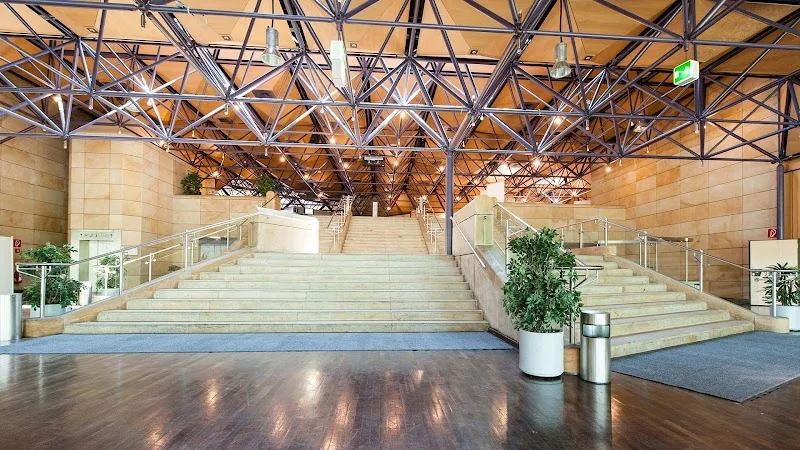
Rosenstraße 50, Fürth
Rosenstraße 50, 90762 Fürth, Germany
Stadthalle Fürth | Events & Parking
The Stadthalle Fürth is a versatile event venue on the edge of the Fürth old town and is also a key player in the Nuremberg metropolitan region. Covering around 2,500 m², it combines culture, congresses, and conferences with a flexible room concept, modern technology, and a large, light-flooded foyer. The heart of the building is the 120 m² stage, which is used for both concerts and business formats. Those looking for a location that can handle large events just as confidently as meetings, family events, or galas will find a venue here with clear structure, good accessibility, and plenty of architectural character. The Stadthalle has been used as an event venue for four decades and stands for diversity, planning reliability, and a professional appearance. ([stadthalle-fuerth.de](https://www.stadthalle-fuerth.de/))
Directions to Stadthalle Fürth by Car and Subway
The Stadthalle Fürth is easily accessible by car via the major traffic routes of the region. The official directions lead from the A3, A6, and A9 to the A73, then continue towards the city center, and from there follow the signs for Stadthalle P. This is practical for visitors from Nuremberg, the surrounding area, and from further afield, as the destination navigation remains clear and straightforward. This is also helpful for arrivals to evening events or congresses, as the route can be followed without complicated stops. Those who prefer to travel by public transport can reach the venue via the U1 at the Stadthalle stop, as well as by bus lines 172 and 179, which lead directly to the hall. ([stadthalle-fuerth.de](https://www.stadthalle-fuerth.de/besucher/anfahrt))
For guests with special mobility needs, the connection via public transport is also well planned. The Stadthalle explicitly recommends the Rathaus stop for wheelchair users, as the path from there to the hall is more level than from the Stadthalle stop, where a small incline must be navigated. Both stations are equipped with elevators, ensuring that access is possible without stairs. Together with the clear signage, the location near the city center, and the short distances within the neighborhood, a very readable arrival picture is created. This is particularly pleasant for visitors who want to eat something before a show, return quickly after the event, or attend a congress appointment without detours. ([stadthalle-fuerth.de](https://www.stadthalle-fuerth.de/besucher/barrierefreiheit))
The location is particularly attractive because the Stadthalle is not isolated but is situated on the edge of the old town with short distances to shops, restaurants, recreational areas, and a hotel in direct proximity. The official history and the municipal presentation emphasize this advantage: A visit can easily be combined with a walk, a restaurant appointment, or an overnight stay. This transforms a pure event visit into a complete evening or even a small weekend experience. Those welcoming guests from outside benefit from this urban integration just as much as organizers who want to offer their participants an uncomplicated, urban setting. The Stadthalle thus does not appear as a closed building but as a vibrant part of the city. ([stadthalle-fuerth.de](https://www.stadthalle-fuerth.de/besucher/ueber-fuerth-1))
Parking at Stadthalle Fürth: Parking Garage, Prices, and Tips
A strong advantage of the Stadthalle Fürth is the directly connected parking garage. It offers 250 parking spaces and is available around the clock according to official information. This is particularly convenient for visitors, as arrival and destination are practically at the same location. The pricing structure is also clear: Each started hour costs 2.00 euros, the maximum daily rate is 20.00 euros, and passage within 15 minutes is free of charge. This is an advantage, especially for short pick-up or drop-off processes. Special rates are provided for events, making the parking garage not only functional but also economically interesting. Those who value a stress-free start to their event will find a very direct access to the hall here. ([stadthalle-fuerth.de](https://www.stadthalle-fuerth.de/besucher/parkhaus))
The parking regulations are precise and tailored to special needs. The entrance height is 1.80 meters, motorcycles, trailers, and gas-powered vehicles are not permitted. For people with mobility impairments, there are designated accessible parking spaces on levels 6 as well as 2, 4, and 8; access is possible via the elevator at the main entrance. For special vehicles, the Stadthalle offers parking options on the riverside terrace upon request, from which the entrance Wintergarten is accessible. For large events, the Stadthalle explicitly advises using Park & Ride, as the parking situation may be limited then. This is a sensible suggestion for guests attending a sold-out show or a highly frequented concert. ([stadthalle-fuerth.de](https://www.stadthalle-fuerth.de/besucher/parkhaus))
For accessibility around parking, the venue is overall well prepared. In addition to the designated parking spaces, accessible paths to the hall itself are also provided, and the parking level is integrated with the visitor area. This makes the visit significantly easier for wheelchair users, older guests, or visitors with luggage. Together with the close connection to public transport, this creates a flexible arrival profile: Those who wish can come by subway, those who prefer to arrive by car can use the parking garage directly next to the hall, and those who want relief during large events can plan alternatives like Park & Ride. This combination of proximity, structure, and choice makes parking at the Stadthalle Fürth a real location advantage. ([stadthalle-fuerth.de](https://www.stadthalle-fuerth.de/besucher/parkhaus))
Rooms, Floor Plan, and Capacity of Stadthalle Fürth
The layout of the Stadthalle is one of its greatest advantages. The building is divided into three levels and offers a total area of around 2,500 m², along with seven meeting rooms for seminars, workshops, and meetings. Depending on the format, the spaces can be used individually, combined, or as a whole building. This makes the location exciting for cultural events as well as for fairs, presentations, internal company formats, or representative receptions. For organizers, it is especially important that the Stadthalle not only offers a large hall area but also finely graduated room sizes for smaller or parallel formats. The hall is thus not fixed to a single usage scenario but can be used very differently. ([stadthalle-fuerth.de](https://www.stadthalle-fuerth.de/besucher/ueber-fuerth-1))
The Great Hall is the centerpiece of the building. It offers 649 seats when seated on 585 m², can be used parliamentarily with 350 seats, and accommodates up to 400 people with banquet seating. For unseated formats, the official capacity overview states up to 1,100 people. Technically, the hall is designed for demanding productions: air conditioning, professional sound, stage lighting, dimmable hall lighting, projection options, and a fixed stage of 120 m² create good conditions for concerts, shows, theater evenings, and high-quality congresses. So, if you are looking for a space that combines classic hall atmosphere with modern function, you will find a very reliable stage for strong events here. ([stadthalle-fuerth.de](https://www.stadthalle-fuerth.de/die-halle/raeumlichkeiten))
Even more flexibility is offered by the combination of the Great Hall and the extension. In this variant, according to the capacity overview, up to 1,288 people are possible in row seating, up to 740 in banquet seating, and significantly more in unseated formats. The extension brings daylight, flexible partition walls, mobile visitor grandstands, and access to the riverside terrace. This creates a spatial structure that works just as well for large gala evenings as for congresses, fair formats, or show productions with multiple functional zones. The Great Foyer and the Small Foyer complement this structure as representative areas for reception, exhibition, breaks, or catering. Especially when multiple uses are to interlock, the Stadthalle proves to be a very well-thought-out venue with clear pathways and high adaptability. ([stadthalle-fuerth.de](https://www.stadthalle-fuerth.de/die-halle/raeumlichkeiten))
The smaller rooms are also professionally equipped. The Small Hall offers 300 m² of space, 240 seats in row seating, and up to 204 seats in table seating. It is separately accessible via the Wintergarten entrance and is thus also suitable for parallel events. The Wintergarten itself complements the Small Hall excellently: On 200 m², depending on the seating arrangement, it can accommodate 154, 120, or 90 people. With glass fronts, daylight, and its use as a meeting, relaxation, or gastro zone, this area feels open and friendly. Additionally, further meeting rooms such as Pegnitz and Rednitz are available, which can be used for workshops, meetings, and smaller specialized formats. The venue is thus interesting not only for large evenings but also for focused, smaller events with clear structure. ([stadthalle-fuerth.de](https://www.stadthalle-fuerth.de/die-halle/raeumlichkeiten))
The overall overview makes it even clearer how versatile the Stadthalle actually is. The entire building can be used unseated for up to 3,900 people, and in banquet format, up to 1,400 guests are possible. This means the spectrum ranges from compact and intimate to very large and representative. For SEO-typical search queries related to floor plans, seats, capacity, and best seats, this is the central answer: The Stadthalle Fürth not only offers a single hall but a variably combinable ensemble of rooms with different sizes, sightlines, and usage types. Therefore, when planning the location, one does not think in a single room but in a flexible event construction kit. ([stadthalle-fuerth.de](https://www.stadthalle-fuerth.de/die-halle/raeumlichkeiten))
Events, Concerts, and Congresses at Stadthalle Fürth
In terms of events, the Stadthalle showcases its full range. According to its own description, around 300 cultural and business events are on the program here each year: concerts of all genres, shows, ballet, theater, cabaret, conferences, congresses, markets, fairs, festivals, and parties. The current program confirms this diversity, as the calendar features magic, dance evenings, concerts, encounter formats, and comedy side by side. This is attractive for visitors because the hall does not only serve one genre but makes a wide cultural and events spectrum visible. So, those looking for a location with a changing program will not only find individual highlights here but a stable annual offering with many different target groups. ([stadthalle-fuerth.de](https://www.stadthalle-fuerth.de/besucher/ueber-fuerth-1))
Particularly exciting is how the venue brings together different audience groups. On the homepage, for spring 2026, among others, the magician duo Golden Ace, a spring ball from the dance studio Schlegl, Kaffkiez, an encounter concert with the Army Music Corps Veitshöchheim, and Josef Hader are listed. This mix makes the Stadthalle Fürth a place where concert evenings, festive balls, comedy, and musical events complement each other. Those looking for a program with a lot of variety will find new occasions for a visit here again and again in short distance. This program diversity is a strong search signal for users who expect not only a hall but also current content, cultural breadth, and a lively event calendar. ([stadthalle-fuerth.de](https://www.stadthalle-fuerth.de/))
History and Architecture of Stadthalle Fürth since 1982
The history of the Stadthalle goes back further than the current building suggests. The first requests for an event hall were made around 100 years ago, but the project became concrete with the development plan of 1969, the planning assignment in 1977, the architectural competition in 1978, and the building application in 1980. From the laying of the foundation stone on October 3, 1980, to the opening on October 2, 1982, only two years passed. Since then, the hall has become an integral part of the city's event life and has made a name for itself far beyond the region. The Stadthalle was thus from the beginning more than just a hall building: it was designed as a modern, versatile meeting point for culture and business. ([stadthalle-fuerth.de](https://www.stadthalle-fuerth.de/besucher/ueber-fuerth-1))
Architecturally defining are the free-standing roof structure with the Mero system, the generous glass fronts, and the foyer staircase with a view of the event area and the riverside terrace. This outdoor area was designed as a space of around 1,200 m² and extends the building with a special outdoor component for gastronomy, presentations, exhibition areas, and deliveries. The building thus appears open, bright, and representative without losing its functionality. The free sightline guidance and the transparent facade effect make the building interesting from an architectural perspective, as usability and design visibly interact here. For visitors, this impression often remains: the hall is not only practical but also architecturally distinctive and recognizable. ([stadthalle-fuerth.de](https://www.stadthalle-fuerth.de/besucher/ueber-fuerth-1))
The history also includes how the building has been adapted over the years. The former restaurant Stadthalle was replaced by the event space Wintergarten, and the former bowling alley was converted into storage rooms with a freight elevator. Later, a hotel was built right next to the hall, allowing for a dry path between accommodation and event venue through a shared entrance. This development shows that the Stadthalle has continually adapted to new requirements without losing its core. For organizers, this is important because it is not only about the initial architectural idea but also about the ongoing development during operation. This is precisely where the Stadthalle Fürth has its strength: it has grown, remained, and has been very adaptable functionally. ([stadthalle-fuerth.de](https://www.stadthalle-fuerth.de/besucher/ueber-fuerth-1))
Accessibility, Gastronomy, and Service On-Site
Accessibility is not just a buzzword at the Stadthalle but is concretely organized. The Great and Small Halls are located on level 2 and can be accessed via elevator from the main entrance on level 3. The Wintergarten has a separate ground-level entrance via the riverside terrace, and accessible restrooms are located in both the entrance foyer and the parking garage. In the large halls, wheelchair areas are provided for suitable event formats, and an induction loop is available in the Great Hall for hearing aid users. These details make the visit significantly more relaxed for different needs and show that the Stadthalle is designed as a modern event venue. ([stadthalle-fuerth.de](https://www.stadthalle-fuerth.de/besucher/barrierefreiheit))
Also behind the scenes, the venue is well prepared for events. Five artist dressing rooms with daylight, air conditioning, separate entrance, and accessible access create good working conditions for acts, speakers, and production teams. This is particularly important for concerts, shows, and multi-part cultural formats, as arrival, preparation, and stage changes can be organized smoothly. Additionally, the gastronomy, operated by Ferdin for many years, ranges from small break buffets to gala dinners for up to 1,400 guests according to history. This makes the hall visible not only as a space but as a complete event venue with service competence. So, those planning here get not only spaces but a well-rehearsed infrastructure for visits, production, and catering. ([stadthalle-fuerth.de](https://www.stadthalle-fuerth.de/die-halle/technik))
Sources:
Show moreShow less
Stadthalle Fürth | Events & Parking
The Stadthalle Fürth is a versatile event venue on the edge of the Fürth old town and is also a key player in the Nuremberg metropolitan region. Covering around 2,500 m², it combines culture, congresses, and conferences with a flexible room concept, modern technology, and a large, light-flooded foyer. The heart of the building is the 120 m² stage, which is used for both concerts and business formats. Those looking for a location that can handle large events just as confidently as meetings, family events, or galas will find a venue here with clear structure, good accessibility, and plenty of architectural character. The Stadthalle has been used as an event venue for four decades and stands for diversity, planning reliability, and a professional appearance. ([stadthalle-fuerth.de](https://www.stadthalle-fuerth.de/))
Directions to Stadthalle Fürth by Car and Subway
The Stadthalle Fürth is easily accessible by car via the major traffic routes of the region. The official directions lead from the A3, A6, and A9 to the A73, then continue towards the city center, and from there follow the signs for Stadthalle P. This is practical for visitors from Nuremberg, the surrounding area, and from further afield, as the destination navigation remains clear and straightforward. This is also helpful for arrivals to evening events or congresses, as the route can be followed without complicated stops. Those who prefer to travel by public transport can reach the venue via the U1 at the Stadthalle stop, as well as by bus lines 172 and 179, which lead directly to the hall. ([stadthalle-fuerth.de](https://www.stadthalle-fuerth.de/besucher/anfahrt))
For guests with special mobility needs, the connection via public transport is also well planned. The Stadthalle explicitly recommends the Rathaus stop for wheelchair users, as the path from there to the hall is more level than from the Stadthalle stop, where a small incline must be navigated. Both stations are equipped with elevators, ensuring that access is possible without stairs. Together with the clear signage, the location near the city center, and the short distances within the neighborhood, a very readable arrival picture is created. This is particularly pleasant for visitors who want to eat something before a show, return quickly after the event, or attend a congress appointment without detours. ([stadthalle-fuerth.de](https://www.stadthalle-fuerth.de/besucher/barrierefreiheit))
The location is particularly attractive because the Stadthalle is not isolated but is situated on the edge of the old town with short distances to shops, restaurants, recreational areas, and a hotel in direct proximity. The official history and the municipal presentation emphasize this advantage: A visit can easily be combined with a walk, a restaurant appointment, or an overnight stay. This transforms a pure event visit into a complete evening or even a small weekend experience. Those welcoming guests from outside benefit from this urban integration just as much as organizers who want to offer their participants an uncomplicated, urban setting. The Stadthalle thus does not appear as a closed building but as a vibrant part of the city. ([stadthalle-fuerth.de](https://www.stadthalle-fuerth.de/besucher/ueber-fuerth-1))
Parking at Stadthalle Fürth: Parking Garage, Prices, and Tips
A strong advantage of the Stadthalle Fürth is the directly connected parking garage. It offers 250 parking spaces and is available around the clock according to official information. This is particularly convenient for visitors, as arrival and destination are practically at the same location. The pricing structure is also clear: Each started hour costs 2.00 euros, the maximum daily rate is 20.00 euros, and passage within 15 minutes is free of charge. This is an advantage, especially for short pick-up or drop-off processes. Special rates are provided for events, making the parking garage not only functional but also economically interesting. Those who value a stress-free start to their event will find a very direct access to the hall here. ([stadthalle-fuerth.de](https://www.stadthalle-fuerth.de/besucher/parkhaus))
The parking regulations are precise and tailored to special needs. The entrance height is 1.80 meters, motorcycles, trailers, and gas-powered vehicles are not permitted. For people with mobility impairments, there are designated accessible parking spaces on levels 6 as well as 2, 4, and 8; access is possible via the elevator at the main entrance. For special vehicles, the Stadthalle offers parking options on the riverside terrace upon request, from which the entrance Wintergarten is accessible. For large events, the Stadthalle explicitly advises using Park & Ride, as the parking situation may be limited then. This is a sensible suggestion for guests attending a sold-out show or a highly frequented concert. ([stadthalle-fuerth.de](https://www.stadthalle-fuerth.de/besucher/parkhaus))
For accessibility around parking, the venue is overall well prepared. In addition to the designated parking spaces, accessible paths to the hall itself are also provided, and the parking level is integrated with the visitor area. This makes the visit significantly easier for wheelchair users, older guests, or visitors with luggage. Together with the close connection to public transport, this creates a flexible arrival profile: Those who wish can come by subway, those who prefer to arrive by car can use the parking garage directly next to the hall, and those who want relief during large events can plan alternatives like Park & Ride. This combination of proximity, structure, and choice makes parking at the Stadthalle Fürth a real location advantage. ([stadthalle-fuerth.de](https://www.stadthalle-fuerth.de/besucher/parkhaus))
Rooms, Floor Plan, and Capacity of Stadthalle Fürth
The layout of the Stadthalle is one of its greatest advantages. The building is divided into three levels and offers a total area of around 2,500 m², along with seven meeting rooms for seminars, workshops, and meetings. Depending on the format, the spaces can be used individually, combined, or as a whole building. This makes the location exciting for cultural events as well as for fairs, presentations, internal company formats, or representative receptions. For organizers, it is especially important that the Stadthalle not only offers a large hall area but also finely graduated room sizes for smaller or parallel formats. The hall is thus not fixed to a single usage scenario but can be used very differently. ([stadthalle-fuerth.de](https://www.stadthalle-fuerth.de/besucher/ueber-fuerth-1))
The Great Hall is the centerpiece of the building. It offers 649 seats when seated on 585 m², can be used parliamentarily with 350 seats, and accommodates up to 400 people with banquet seating. For unseated formats, the official capacity overview states up to 1,100 people. Technically, the hall is designed for demanding productions: air conditioning, professional sound, stage lighting, dimmable hall lighting, projection options, and a fixed stage of 120 m² create good conditions for concerts, shows, theater evenings, and high-quality congresses. So, if you are looking for a space that combines classic hall atmosphere with modern function, you will find a very reliable stage for strong events here. ([stadthalle-fuerth.de](https://www.stadthalle-fuerth.de/die-halle/raeumlichkeiten))
Even more flexibility is offered by the combination of the Great Hall and the extension. In this variant, according to the capacity overview, up to 1,288 people are possible in row seating, up to 740 in banquet seating, and significantly more in unseated formats. The extension brings daylight, flexible partition walls, mobile visitor grandstands, and access to the riverside terrace. This creates a spatial structure that works just as well for large gala evenings as for congresses, fair formats, or show productions with multiple functional zones. The Great Foyer and the Small Foyer complement this structure as representative areas for reception, exhibition, breaks, or catering. Especially when multiple uses are to interlock, the Stadthalle proves to be a very well-thought-out venue with clear pathways and high adaptability. ([stadthalle-fuerth.de](https://www.stadthalle-fuerth.de/die-halle/raeumlichkeiten))
The smaller rooms are also professionally equipped. The Small Hall offers 300 m² of space, 240 seats in row seating, and up to 204 seats in table seating. It is separately accessible via the Wintergarten entrance and is thus also suitable for parallel events. The Wintergarten itself complements the Small Hall excellently: On 200 m², depending on the seating arrangement, it can accommodate 154, 120, or 90 people. With glass fronts, daylight, and its use as a meeting, relaxation, or gastro zone, this area feels open and friendly. Additionally, further meeting rooms such as Pegnitz and Rednitz are available, which can be used for workshops, meetings, and smaller specialized formats. The venue is thus interesting not only for large evenings but also for focused, smaller events with clear structure. ([stadthalle-fuerth.de](https://www.stadthalle-fuerth.de/die-halle/raeumlichkeiten))
The overall overview makes it even clearer how versatile the Stadthalle actually is. The entire building can be used unseated for up to 3,900 people, and in banquet format, up to 1,400 guests are possible. This means the spectrum ranges from compact and intimate to very large and representative. For SEO-typical search queries related to floor plans, seats, capacity, and best seats, this is the central answer: The Stadthalle Fürth not only offers a single hall but a variably combinable ensemble of rooms with different sizes, sightlines, and usage types. Therefore, when planning the location, one does not think in a single room but in a flexible event construction kit. ([stadthalle-fuerth.de](https://www.stadthalle-fuerth.de/die-halle/raeumlichkeiten))
Events, Concerts, and Congresses at Stadthalle Fürth
In terms of events, the Stadthalle showcases its full range. According to its own description, around 300 cultural and business events are on the program here each year: concerts of all genres, shows, ballet, theater, cabaret, conferences, congresses, markets, fairs, festivals, and parties. The current program confirms this diversity, as the calendar features magic, dance evenings, concerts, encounter formats, and comedy side by side. This is attractive for visitors because the hall does not only serve one genre but makes a wide cultural and events spectrum visible. So, those looking for a location with a changing program will not only find individual highlights here but a stable annual offering with many different target groups. ([stadthalle-fuerth.de](https://www.stadthalle-fuerth.de/besucher/ueber-fuerth-1))
Particularly exciting is how the venue brings together different audience groups. On the homepage, for spring 2026, among others, the magician duo Golden Ace, a spring ball from the dance studio Schlegl, Kaffkiez, an encounter concert with the Army Music Corps Veitshöchheim, and Josef Hader are listed. This mix makes the Stadthalle Fürth a place where concert evenings, festive balls, comedy, and musical events complement each other. Those looking for a program with a lot of variety will find new occasions for a visit here again and again in short distance. This program diversity is a strong search signal for users who expect not only a hall but also current content, cultural breadth, and a lively event calendar. ([stadthalle-fuerth.de](https://www.stadthalle-fuerth.de/))
History and Architecture of Stadthalle Fürth since 1982
The history of the Stadthalle goes back further than the current building suggests. The first requests for an event hall were made around 100 years ago, but the project became concrete with the development plan of 1969, the planning assignment in 1977, the architectural competition in 1978, and the building application in 1980. From the laying of the foundation stone on October 3, 1980, to the opening on October 2, 1982, only two years passed. Since then, the hall has become an integral part of the city's event life and has made a name for itself far beyond the region. The Stadthalle was thus from the beginning more than just a hall building: it was designed as a modern, versatile meeting point for culture and business. ([stadthalle-fuerth.de](https://www.stadthalle-fuerth.de/besucher/ueber-fuerth-1))
Architecturally defining are the free-standing roof structure with the Mero system, the generous glass fronts, and the foyer staircase with a view of the event area and the riverside terrace. This outdoor area was designed as a space of around 1,200 m² and extends the building with a special outdoor component for gastronomy, presentations, exhibition areas, and deliveries. The building thus appears open, bright, and representative without losing its functionality. The free sightline guidance and the transparent facade effect make the building interesting from an architectural perspective, as usability and design visibly interact here. For visitors, this impression often remains: the hall is not only practical but also architecturally distinctive and recognizable. ([stadthalle-fuerth.de](https://www.stadthalle-fuerth.de/besucher/ueber-fuerth-1))
The history also includes how the building has been adapted over the years. The former restaurant Stadthalle was replaced by the event space Wintergarten, and the former bowling alley was converted into storage rooms with a freight elevator. Later, a hotel was built right next to the hall, allowing for a dry path between accommodation and event venue through a shared entrance. This development shows that the Stadthalle has continually adapted to new requirements without losing its core. For organizers, this is important because it is not only about the initial architectural idea but also about the ongoing development during operation. This is precisely where the Stadthalle Fürth has its strength: it has grown, remained, and has been very adaptable functionally. ([stadthalle-fuerth.de](https://www.stadthalle-fuerth.de/besucher/ueber-fuerth-1))
Accessibility, Gastronomy, and Service On-Site
Accessibility is not just a buzzword at the Stadthalle but is concretely organized. The Great and Small Halls are located on level 2 and can be accessed via elevator from the main entrance on level 3. The Wintergarten has a separate ground-level entrance via the riverside terrace, and accessible restrooms are located in both the entrance foyer and the parking garage. In the large halls, wheelchair areas are provided for suitable event formats, and an induction loop is available in the Great Hall for hearing aid users. These details make the visit significantly more relaxed for different needs and show that the Stadthalle is designed as a modern event venue. ([stadthalle-fuerth.de](https://www.stadthalle-fuerth.de/besucher/barrierefreiheit))
Also behind the scenes, the venue is well prepared for events. Five artist dressing rooms with daylight, air conditioning, separate entrance, and accessible access create good working conditions for acts, speakers, and production teams. This is particularly important for concerts, shows, and multi-part cultural formats, as arrival, preparation, and stage changes can be organized smoothly. Additionally, the gastronomy, operated by Ferdin for many years, ranges from small break buffets to gala dinners for up to 1,400 guests according to history. This makes the hall visible not only as a space but as a complete event venue with service competence. So, those planning here get not only spaces but a well-rehearsed infrastructure for visits, production, and catering. ([stadthalle-fuerth.de](https://www.stadthalle-fuerth.de/die-halle/technik))
Sources:
Stadthalle Fürth | Events & Parking
The Stadthalle Fürth is a versatile event venue on the edge of the Fürth old town and is also a key player in the Nuremberg metropolitan region. Covering around 2,500 m², it combines culture, congresses, and conferences with a flexible room concept, modern technology, and a large, light-flooded foyer. The heart of the building is the 120 m² stage, which is used for both concerts and business formats. Those looking for a location that can handle large events just as confidently as meetings, family events, or galas will find a venue here with clear structure, good accessibility, and plenty of architectural character. The Stadthalle has been used as an event venue for four decades and stands for diversity, planning reliability, and a professional appearance. ([stadthalle-fuerth.de](https://www.stadthalle-fuerth.de/))
Directions to Stadthalle Fürth by Car and Subway
The Stadthalle Fürth is easily accessible by car via the major traffic routes of the region. The official directions lead from the A3, A6, and A9 to the A73, then continue towards the city center, and from there follow the signs for Stadthalle P. This is practical for visitors from Nuremberg, the surrounding area, and from further afield, as the destination navigation remains clear and straightforward. This is also helpful for arrivals to evening events or congresses, as the route can be followed without complicated stops. Those who prefer to travel by public transport can reach the venue via the U1 at the Stadthalle stop, as well as by bus lines 172 and 179, which lead directly to the hall. ([stadthalle-fuerth.de](https://www.stadthalle-fuerth.de/besucher/anfahrt))
For guests with special mobility needs, the connection via public transport is also well planned. The Stadthalle explicitly recommends the Rathaus stop for wheelchair users, as the path from there to the hall is more level than from the Stadthalle stop, where a small incline must be navigated. Both stations are equipped with elevators, ensuring that access is possible without stairs. Together with the clear signage, the location near the city center, and the short distances within the neighborhood, a very readable arrival picture is created. This is particularly pleasant for visitors who want to eat something before a show, return quickly after the event, or attend a congress appointment without detours. ([stadthalle-fuerth.de](https://www.stadthalle-fuerth.de/besucher/barrierefreiheit))
The location is particularly attractive because the Stadthalle is not isolated but is situated on the edge of the old town with short distances to shops, restaurants, recreational areas, and a hotel in direct proximity. The official history and the municipal presentation emphasize this advantage: A visit can easily be combined with a walk, a restaurant appointment, or an overnight stay. This transforms a pure event visit into a complete evening or even a small weekend experience. Those welcoming guests from outside benefit from this urban integration just as much as organizers who want to offer their participants an uncomplicated, urban setting. The Stadthalle thus does not appear as a closed building but as a vibrant part of the city. ([stadthalle-fuerth.de](https://www.stadthalle-fuerth.de/besucher/ueber-fuerth-1))
Parking at Stadthalle Fürth: Parking Garage, Prices, and Tips
A strong advantage of the Stadthalle Fürth is the directly connected parking garage. It offers 250 parking spaces and is available around the clock according to official information. This is particularly convenient for visitors, as arrival and destination are practically at the same location. The pricing structure is also clear: Each started hour costs 2.00 euros, the maximum daily rate is 20.00 euros, and passage within 15 minutes is free of charge. This is an advantage, especially for short pick-up or drop-off processes. Special rates are provided for events, making the parking garage not only functional but also economically interesting. Those who value a stress-free start to their event will find a very direct access to the hall here. ([stadthalle-fuerth.de](https://www.stadthalle-fuerth.de/besucher/parkhaus))
The parking regulations are precise and tailored to special needs. The entrance height is 1.80 meters, motorcycles, trailers, and gas-powered vehicles are not permitted. For people with mobility impairments, there are designated accessible parking spaces on levels 6 as well as 2, 4, and 8; access is possible via the elevator at the main entrance. For special vehicles, the Stadthalle offers parking options on the riverside terrace upon request, from which the entrance Wintergarten is accessible. For large events, the Stadthalle explicitly advises using Park & Ride, as the parking situation may be limited then. This is a sensible suggestion for guests attending a sold-out show or a highly frequented concert. ([stadthalle-fuerth.de](https://www.stadthalle-fuerth.de/besucher/parkhaus))
For accessibility around parking, the venue is overall well prepared. In addition to the designated parking spaces, accessible paths to the hall itself are also provided, and the parking level is integrated with the visitor area. This makes the visit significantly easier for wheelchair users, older guests, or visitors with luggage. Together with the close connection to public transport, this creates a flexible arrival profile: Those who wish can come by subway, those who prefer to arrive by car can use the parking garage directly next to the hall, and those who want relief during large events can plan alternatives like Park & Ride. This combination of proximity, structure, and choice makes parking at the Stadthalle Fürth a real location advantage. ([stadthalle-fuerth.de](https://www.stadthalle-fuerth.de/besucher/parkhaus))
Rooms, Floor Plan, and Capacity of Stadthalle Fürth
The layout of the Stadthalle is one of its greatest advantages. The building is divided into three levels and offers a total area of around 2,500 m², along with seven meeting rooms for seminars, workshops, and meetings. Depending on the format, the spaces can be used individually, combined, or as a whole building. This makes the location exciting for cultural events as well as for fairs, presentations, internal company formats, or representative receptions. For organizers, it is especially important that the Stadthalle not only offers a large hall area but also finely graduated room sizes for smaller or parallel formats. The hall is thus not fixed to a single usage scenario but can be used very differently. ([stadthalle-fuerth.de](https://www.stadthalle-fuerth.de/besucher/ueber-fuerth-1))
The Great Hall is the centerpiece of the building. It offers 649 seats when seated on 585 m², can be used parliamentarily with 350 seats, and accommodates up to 400 people with banquet seating. For unseated formats, the official capacity overview states up to 1,100 people. Technically, the hall is designed for demanding productions: air conditioning, professional sound, stage lighting, dimmable hall lighting, projection options, and a fixed stage of 120 m² create good conditions for concerts, shows, theater evenings, and high-quality congresses. So, if you are looking for a space that combines classic hall atmosphere with modern function, you will find a very reliable stage for strong events here. ([stadthalle-fuerth.de](https://www.stadthalle-fuerth.de/die-halle/raeumlichkeiten))
Even more flexibility is offered by the combination of the Great Hall and the extension. In this variant, according to the capacity overview, up to 1,288 people are possible in row seating, up to 740 in banquet seating, and significantly more in unseated formats. The extension brings daylight, flexible partition walls, mobile visitor grandstands, and access to the riverside terrace. This creates a spatial structure that works just as well for large gala evenings as for congresses, fair formats, or show productions with multiple functional zones. The Great Foyer and the Small Foyer complement this structure as representative areas for reception, exhibition, breaks, or catering. Especially when multiple uses are to interlock, the Stadthalle proves to be a very well-thought-out venue with clear pathways and high adaptability. ([stadthalle-fuerth.de](https://www.stadthalle-fuerth.de/die-halle/raeumlichkeiten))
The smaller rooms are also professionally equipped. The Small Hall offers 300 m² of space, 240 seats in row seating, and up to 204 seats in table seating. It is separately accessible via the Wintergarten entrance and is thus also suitable for parallel events. The Wintergarten itself complements the Small Hall excellently: On 200 m², depending on the seating arrangement, it can accommodate 154, 120, or 90 people. With glass fronts, daylight, and its use as a meeting, relaxation, or gastro zone, this area feels open and friendly. Additionally, further meeting rooms such as Pegnitz and Rednitz are available, which can be used for workshops, meetings, and smaller specialized formats. The venue is thus interesting not only for large evenings but also for focused, smaller events with clear structure. ([stadthalle-fuerth.de](https://www.stadthalle-fuerth.de/die-halle/raeumlichkeiten))
The overall overview makes it even clearer how versatile the Stadthalle actually is. The entire building can be used unseated for up to 3,900 people, and in banquet format, up to 1,400 guests are possible. This means the spectrum ranges from compact and intimate to very large and representative. For SEO-typical search queries related to floor plans, seats, capacity, and best seats, this is the central answer: The Stadthalle Fürth not only offers a single hall but a variably combinable ensemble of rooms with different sizes, sightlines, and usage types. Therefore, when planning the location, one does not think in a single room but in a flexible event construction kit. ([stadthalle-fuerth.de](https://www.stadthalle-fuerth.de/die-halle/raeumlichkeiten))
Events, Concerts, and Congresses at Stadthalle Fürth
In terms of events, the Stadthalle showcases its full range. According to its own description, around 300 cultural and business events are on the program here each year: concerts of all genres, shows, ballet, theater, cabaret, conferences, congresses, markets, fairs, festivals, and parties. The current program confirms this diversity, as the calendar features magic, dance evenings, concerts, encounter formats, and comedy side by side. This is attractive for visitors because the hall does not only serve one genre but makes a wide cultural and events spectrum visible. So, those looking for a location with a changing program will not only find individual highlights here but a stable annual offering with many different target groups. ([stadthalle-fuerth.de](https://www.stadthalle-fuerth.de/besucher/ueber-fuerth-1))
Particularly exciting is how the venue brings together different audience groups. On the homepage, for spring 2026, among others, the magician duo Golden Ace, a spring ball from the dance studio Schlegl, Kaffkiez, an encounter concert with the Army Music Corps Veitshöchheim, and Josef Hader are listed. This mix makes the Stadthalle Fürth a place where concert evenings, festive balls, comedy, and musical events complement each other. Those looking for a program with a lot of variety will find new occasions for a visit here again and again in short distance. This program diversity is a strong search signal for users who expect not only a hall but also current content, cultural breadth, and a lively event calendar. ([stadthalle-fuerth.de](https://www.stadthalle-fuerth.de/))
History and Architecture of Stadthalle Fürth since 1982
The history of the Stadthalle goes back further than the current building suggests. The first requests for an event hall were made around 100 years ago, but the project became concrete with the development plan of 1969, the planning assignment in 1977, the architectural competition in 1978, and the building application in 1980. From the laying of the foundation stone on October 3, 1980, to the opening on October 2, 1982, only two years passed. Since then, the hall has become an integral part of the city's event life and has made a name for itself far beyond the region. The Stadthalle was thus from the beginning more than just a hall building: it was designed as a modern, versatile meeting point for culture and business. ([stadthalle-fuerth.de](https://www.stadthalle-fuerth.de/besucher/ueber-fuerth-1))
Architecturally defining are the free-standing roof structure with the Mero system, the generous glass fronts, and the foyer staircase with a view of the event area and the riverside terrace. This outdoor area was designed as a space of around 1,200 m² and extends the building with a special outdoor component for gastronomy, presentations, exhibition areas, and deliveries. The building thus appears open, bright, and representative without losing its functionality. The free sightline guidance and the transparent facade effect make the building interesting from an architectural perspective, as usability and design visibly interact here. For visitors, this impression often remains: the hall is not only practical but also architecturally distinctive and recognizable. ([stadthalle-fuerth.de](https://www.stadthalle-fuerth.de/besucher/ueber-fuerth-1))
The history also includes how the building has been adapted over the years. The former restaurant Stadthalle was replaced by the event space Wintergarten, and the former bowling alley was converted into storage rooms with a freight elevator. Later, a hotel was built right next to the hall, allowing for a dry path between accommodation and event venue through a shared entrance. This development shows that the Stadthalle has continually adapted to new requirements without losing its core. For organizers, this is important because it is not only about the initial architectural idea but also about the ongoing development during operation. This is precisely where the Stadthalle Fürth has its strength: it has grown, remained, and has been very adaptable functionally. ([stadthalle-fuerth.de](https://www.stadthalle-fuerth.de/besucher/ueber-fuerth-1))
Accessibility, Gastronomy, and Service On-Site
Accessibility is not just a buzzword at the Stadthalle but is concretely organized. The Great and Small Halls are located on level 2 and can be accessed via elevator from the main entrance on level 3. The Wintergarten has a separate ground-level entrance via the riverside terrace, and accessible restrooms are located in both the entrance foyer and the parking garage. In the large halls, wheelchair areas are provided for suitable event formats, and an induction loop is available in the Great Hall for hearing aid users. These details make the visit significantly more relaxed for different needs and show that the Stadthalle is designed as a modern event venue. ([stadthalle-fuerth.de](https://www.stadthalle-fuerth.de/besucher/barrierefreiheit))
Also behind the scenes, the venue is well prepared for events. Five artist dressing rooms with daylight, air conditioning, separate entrance, and accessible access create good working conditions for acts, speakers, and production teams. This is particularly important for concerts, shows, and multi-part cultural formats, as arrival, preparation, and stage changes can be organized smoothly. Additionally, the gastronomy, operated by Ferdin for many years, ranges from small break buffets to gala dinners for up to 1,400 guests according to history. This makes the hall visible not only as a space but as a complete event venue with service competence. So, those planning here get not only spaces but a well-rehearsed infrastructure for visits, production, and catering. ([stadthalle-fuerth.de](https://www.stadthalle-fuerth.de/die-halle/technik))
Sources:
Upcoming Events
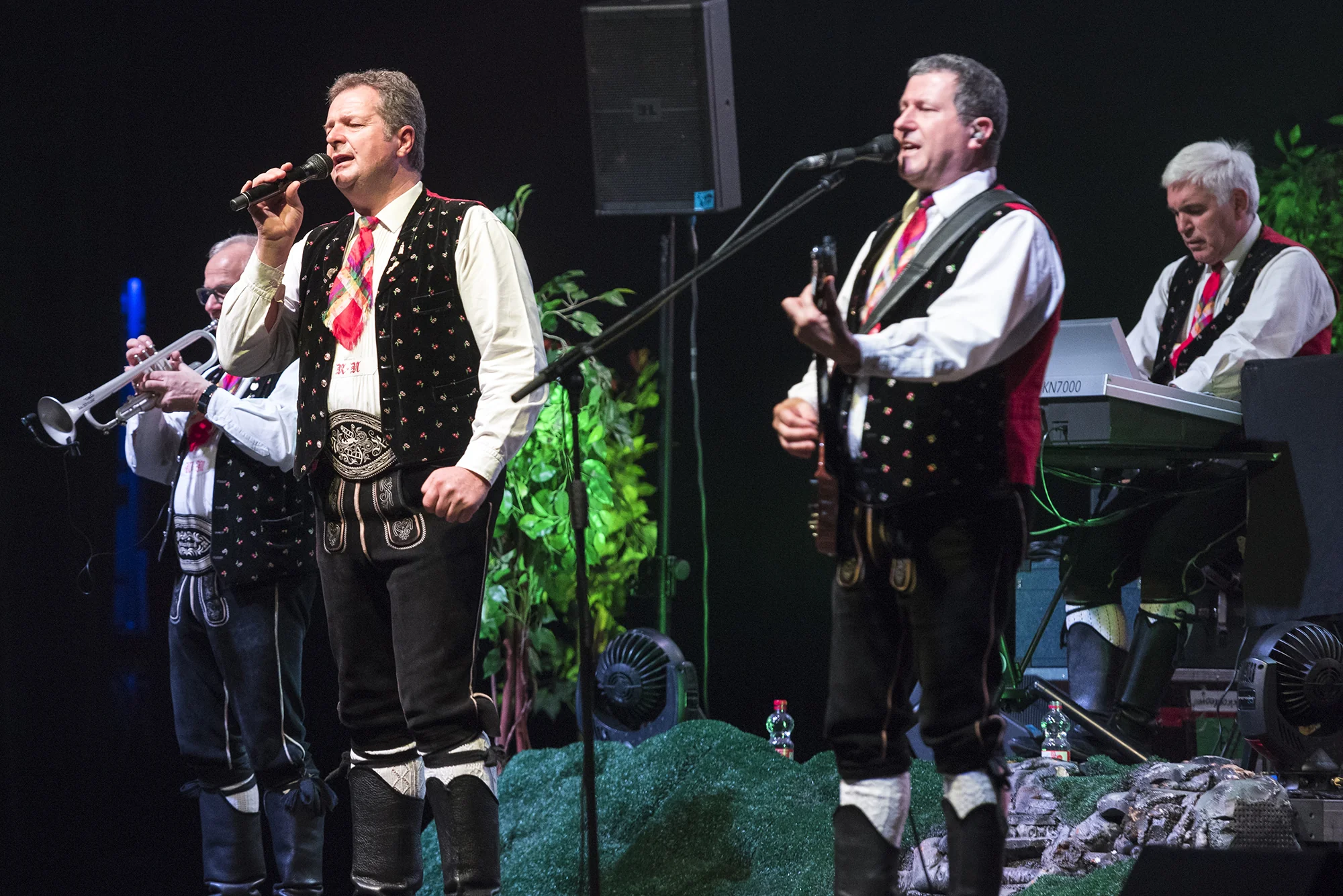
Kastelruther Spatzen - Tour 2026
Be there when the Kastelruther Spatzen perform on June 3, 2026 at the Stadthalle Fürth. An unforgettable evening awaits you!
Multi-Day Quiz Festival at the Fürth City Hall
Experience a thrilling knowledge adventure at the quiz festival in Fürth. Two days full of challenging quiz questions await you.
Locker & flockig: Evening bike ride from Fürth Mitte
Out of everyday life, onto the bike: Evening bike riding from Fürth Mitte combines movement, countryside, and relaxed group moments. 06.10.2026, 2 €. Book now! #Fürth
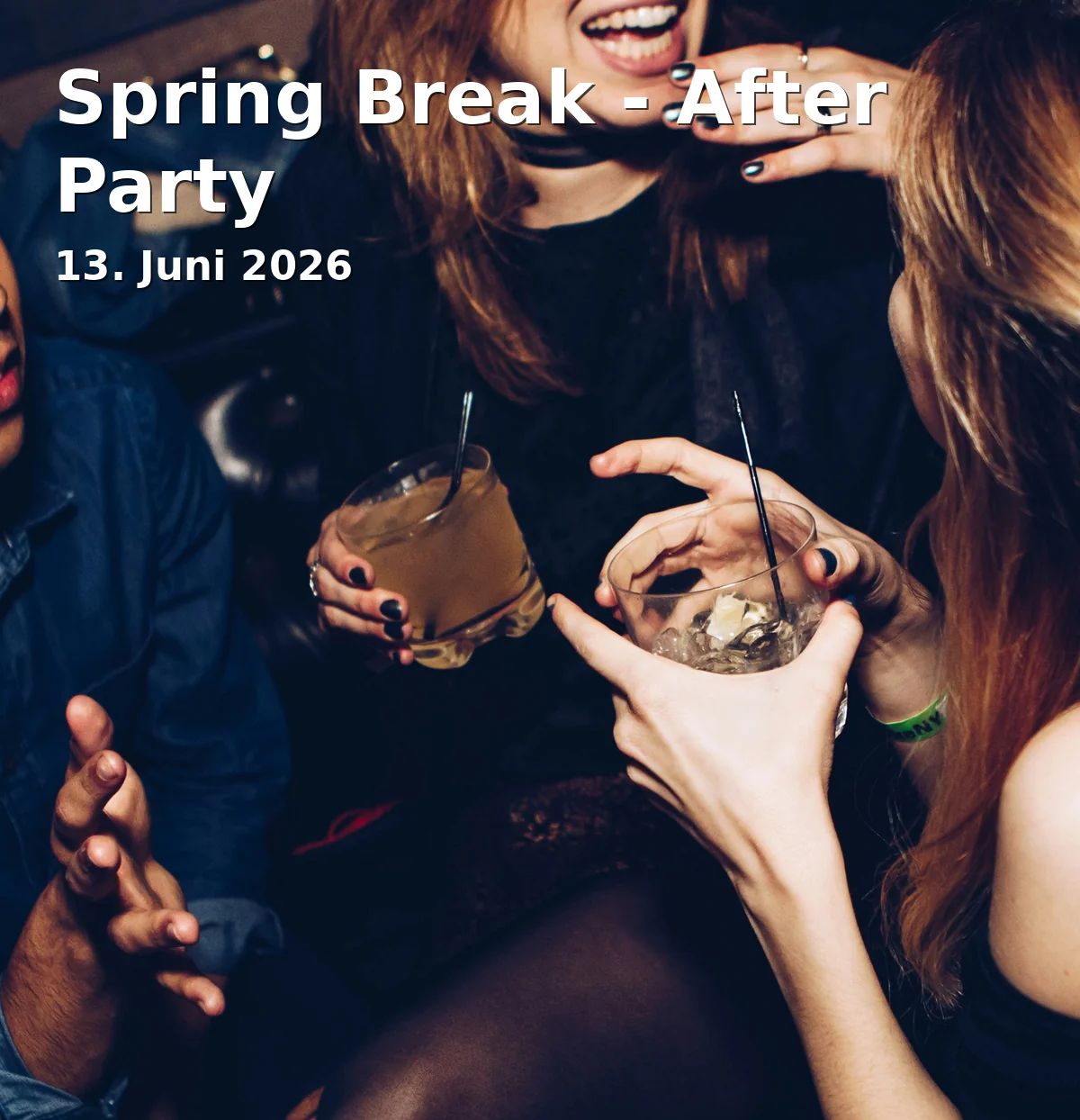
Spring Break - After Party
Experience a night full of techno and trance at Stadthalle Fürth. The after-party of the year awaits on June 13, 2026!
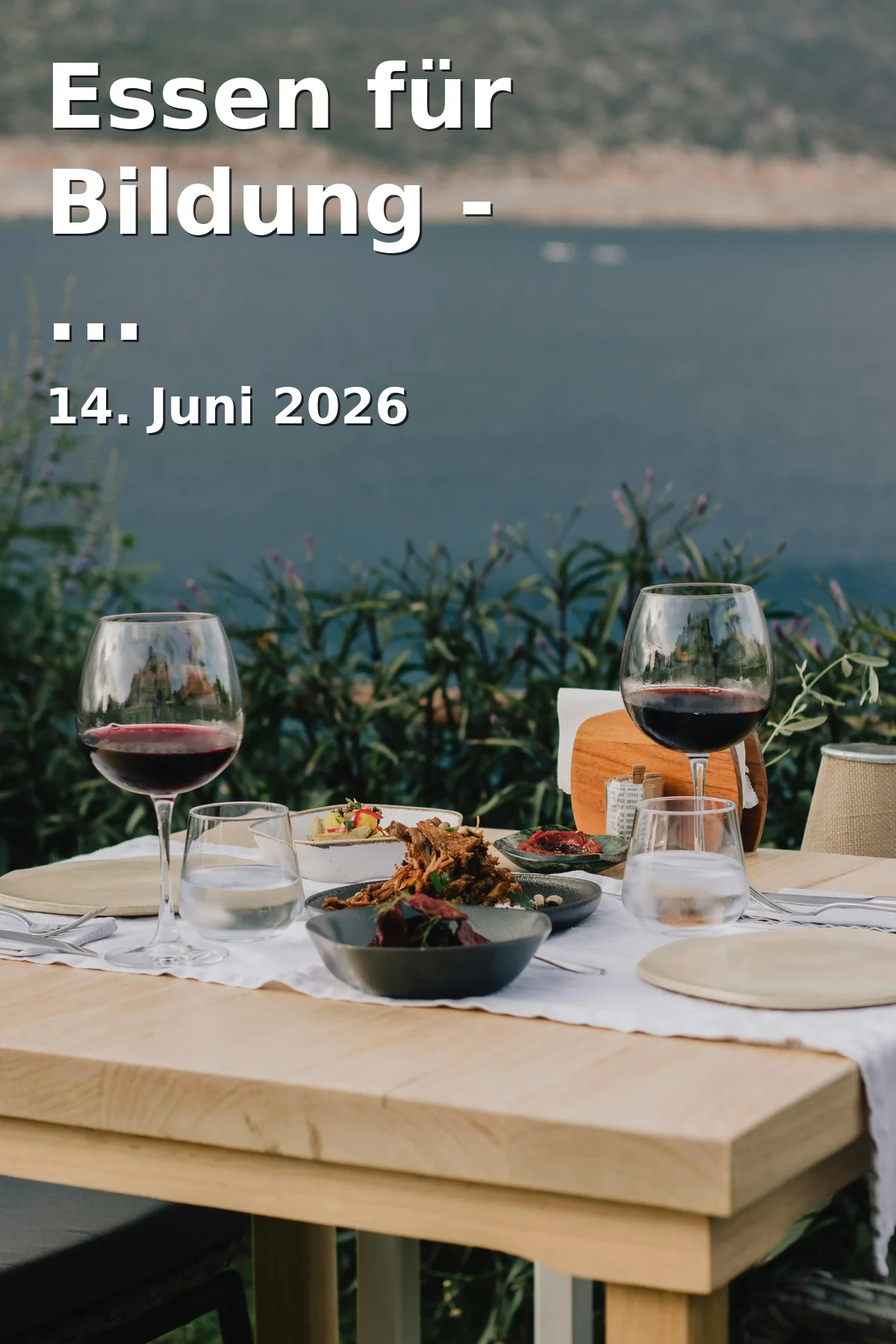
Food for Education - Charity Event
Experience the charity event "Food for Education" on June 14, 2026, at Fürth City Hall. Support local educational projects.
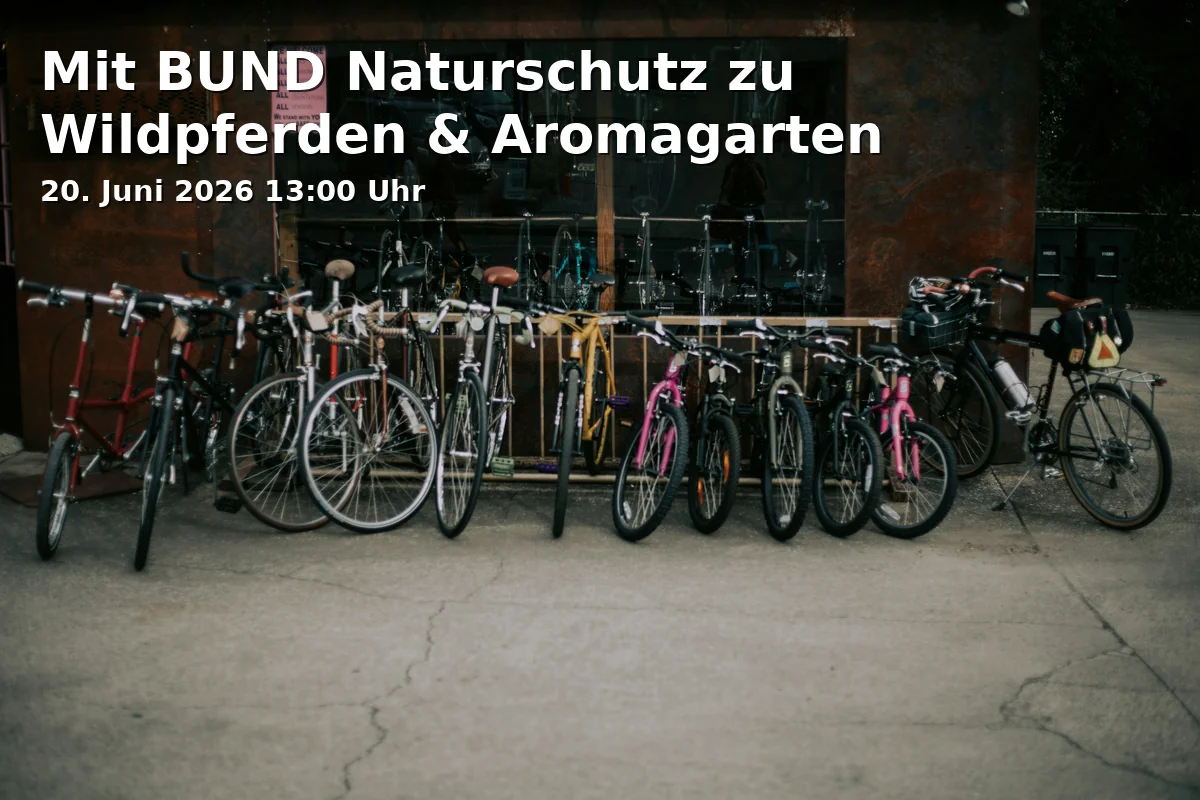
With BUND Naturschutz to Wild Horses & Aroma Garden
Fürth's nature from its most beautiful side: easy bike tour to wild horses and aroma garden with exciting insights. 20.06.2026, only €4. #Fürth
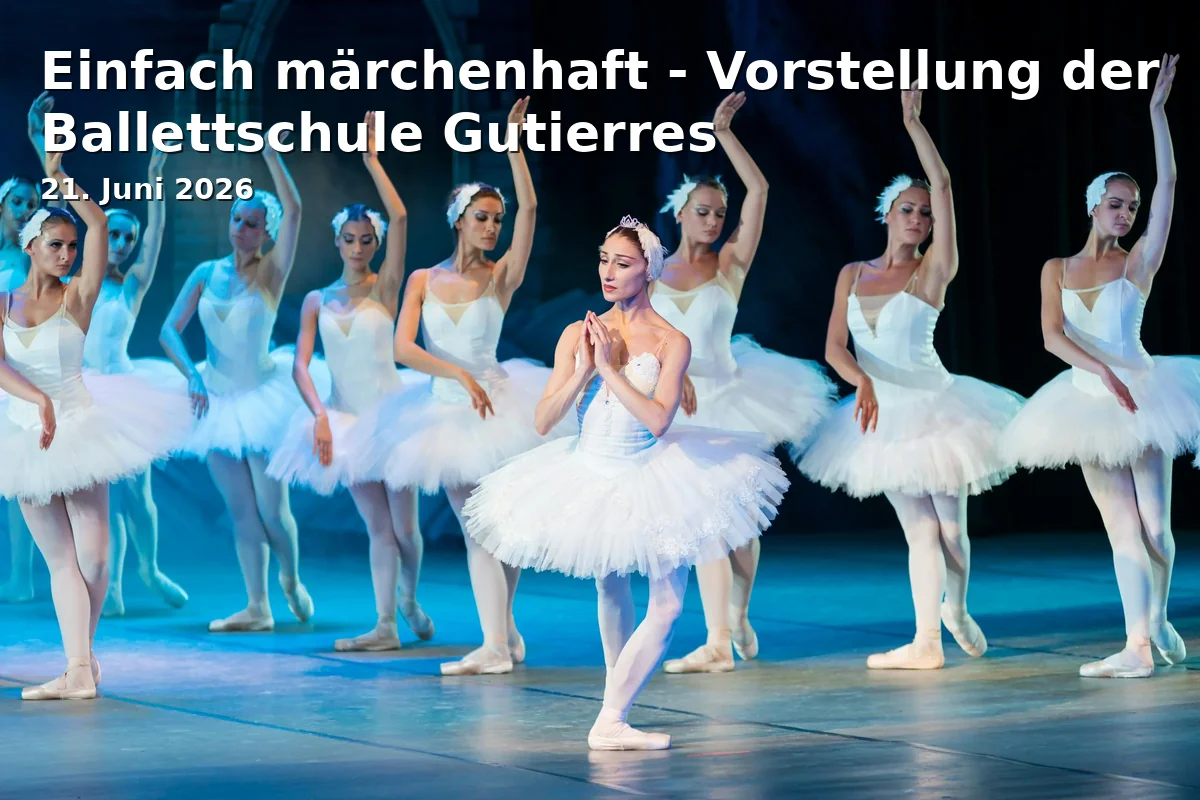
Simply Magical - Presentation of the Gutierres Ballet School
The Gutierres Ballet School presents its wonderful performance at the Fürth City Hall on June 21, 2026. An experience for the whole family!
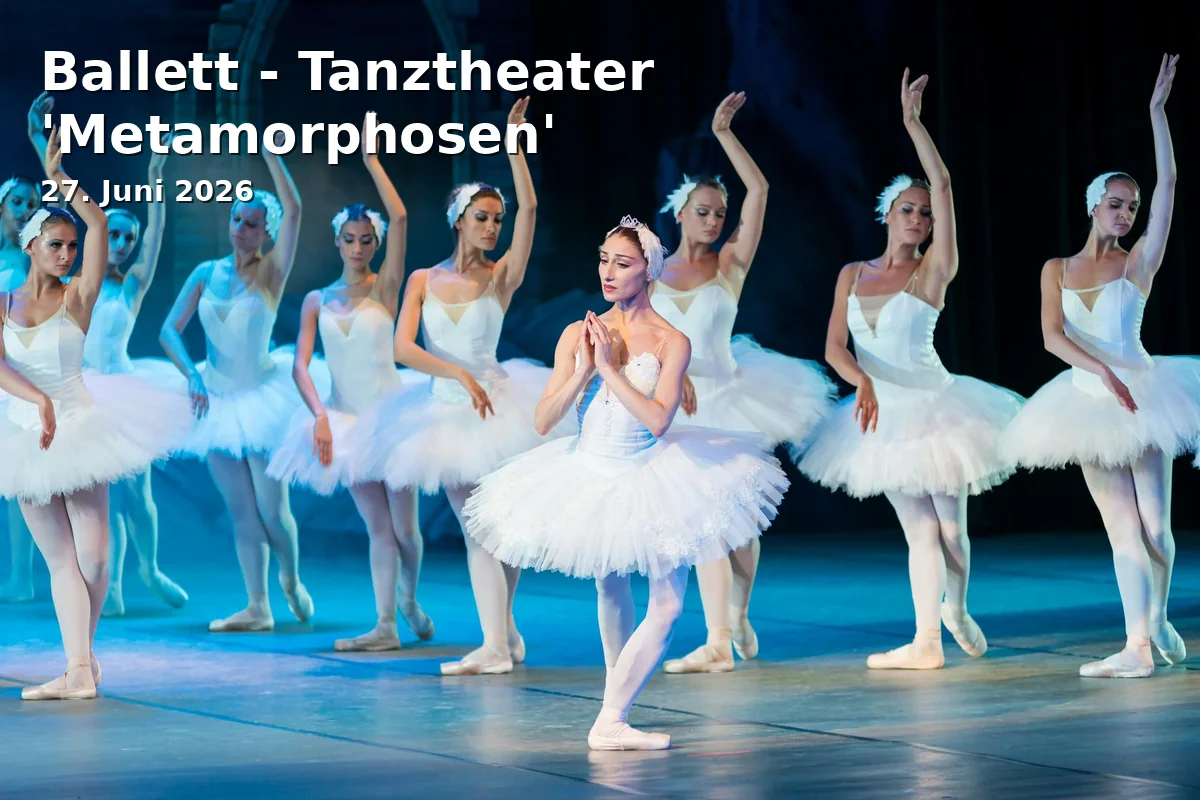
Ballet - Dance Theater 'Metamorphoses'
Experience the fascinating dance performance "Metamorphoses" at the Stadthalle Fürth and let the art of dance enchant you.
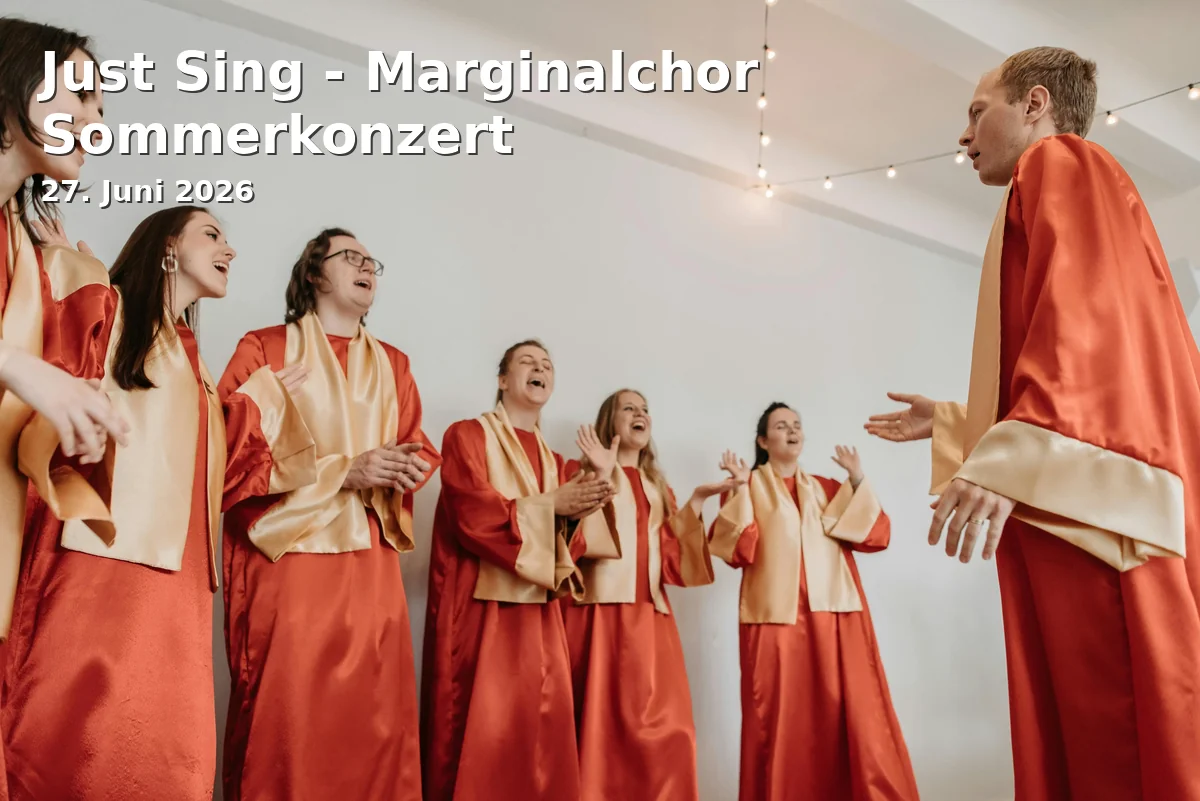
Just Sing - Marginal Choir Summer Concert
Experience the free summer concert of the Marginal Choir at the Stadthalle Fürth on June 27. A highlight for music lovers!
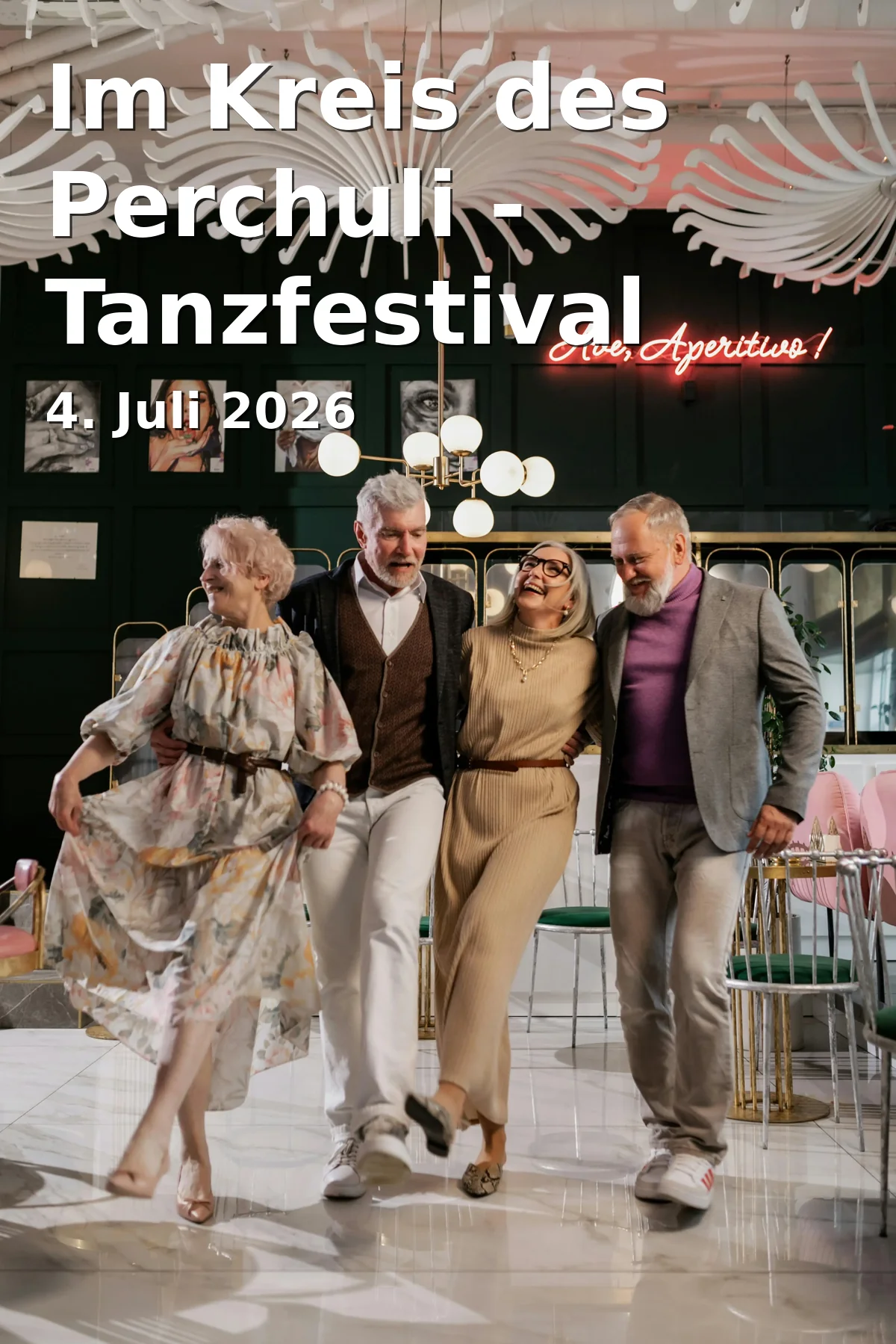
In the Circle of Perchuli - Dance Festival
Visit the Georgian children's dance festival on July 4 at the Fürth City Hall. Free entry!
Frequently Asked Questions
Reviews
Markus Nachname
17. September 2025
Very few spots to park your car. And that's maybe the most used means of transportation. Otherwise, everything was fine.
Rania Greg
11. October 2025
Big enough with stalls to get food and drink before the concerts.
Jur V.
21. February 2024
Great spot for an event, parking is close by, friendly and efficient staff.
Oliver “Drago” Steiner
29. October 2022
Easy to find, with good parking opportunities. Nice interior design, even got a space for wheelchairs to park/stand which is high enough so they can see above everyone else. Toilets are upstairs, with an elevator, and are neatly designed.
Nat Pod
10. December 2024
It's a shame that people are forced to use the cloakroom and it's not free. Paying 2 euros per piece of clothing (including kids) is way too expensive.