
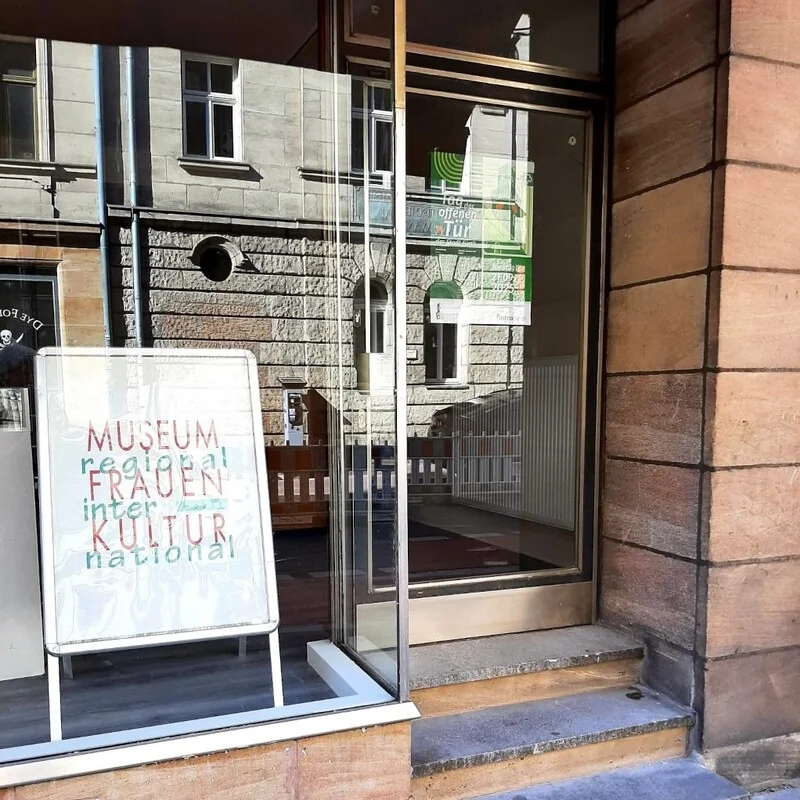
Hirschenstraße 16, Fürth
Hirschenstraße 16, 90762 Fürth, Germany
Museum Women’s Culture Fürth | Opening Hours & Admission
The Museum Women’s Culture Regional-International in Fürth is a place where history is not only displayed but also re-examined from female perspectives. Those who come here do not visit a classic large museum with endless halls, but a distinguished cultural venue that consciously focuses on themes that have long received too little space in many city and state museums: women's lives, everyday life, memory, migration, visibility, art, role models, social change, and international connections. This mixture is what makes it particularly appealing. The museum connects research, exhibition practice, and education in a way that not only informs visitors but also encourages them to think further. It is one of six women's museums in Germany and the first women's museum in Bavaria; thus, it carries a special cultural responsibility not only locally but also nationally. Since 2025, it has found a new home at Hirschenstraße 16 in the center of Fürth, after being housed for many years in the Marstall of Burgfarrnbach Castle. Today, the visit takes place in a clearly urban environment, right in the city, with a clear profile and an equally clear stance: making women's culture visible, connecting regional stories with international themes, and broadening the view of the world. ([frauenindereinenwelt.de](https://www.frauenindereinenwelt.de/de/museum))
Opening Hours, Admission, and Tours at the Women’s Museum Fürth
Anyone planning a visit should especially keep an eye on the official times, as the museum operates with clearly defined opening days and additionally offers regular tours. According to the current museum page, it is open from Thursday to Friday from 2:00 PM to 5:00 PM, on Saturday from 11:00 AM to 5:00 PM, and on Sunday from 1:00 PM to 5:00 PM. The regular tour takes place on Sundays at 3:00 PM. This makes Sunday particularly attractive for those who wish to combine their museum visit with an expert introduction. The museum consciously keeps admission prices low: Admission costs 3.00 euros, and an interactive and/or thematic tour costs 5.00 euros. Children and teenagers up to 18 years have free admission, and there are also discounts for individuals with a severe disability ID and for holders of the Bavarian Volunteer Card. For annual pass holders, admission is waived for group tours, making the offer interesting for regular visitors as well. ([frauenindereinenwelt.de](https://www.frauenindereinenwelt.de/de/snippets/Oeffnung_Preise))
This structure is particularly important for a specialized museum, as it makes a visit both planable and flexible. The museum is not only aimed at individual visitors but also at groups, school classes, and professional audiences. Group tours are possible from eight participants; if fewer people come together, a minimum fee applies. Tours can even be individually arranged outside of opening hours, either by email or by phone. This is a strong signal to schools, associations, initiatives, and project groups that want to integrate the museum into their educational work. Additionally, the official tourism site Fürth explicitly describes the museum as a place for groups and school classes and points out that various events take place throughout the year. For visitors, this means: The museum is not only a place for spontaneous individual visits but also for planned learning experiences, thematic tours, and in-depth discussions. This is part of its strength. It creates a framework in which cultural education, political education, and personal curiosity reinforce each other. ([frauenindereinenwelt.de](https://www.frauenindereinenwelt.de/de/snippets/Oeffnung_Preise))
Hirschenstraße 16: Location, City Center, and On-Site Visit
The current address Hirschenstraße 16 is not just a formal location indication but an essential part of the museum's new identity. The city of Fürth describes the new spaces as a former shop in the city center, which gives the museum a significantly more visible presence after the move. This is particularly valuable for a cultural institution with a clear profile: instead of being on the outskirts or in a separate museum ensemble, the house is now anchored right in the urban everyday life. The new location is in the western city center and has been assessed by the city as optimally located. This creates a special atmosphere: it is easier to combine a museum visit with a city walk, shopping, a café visit, or other cultural stops. For a museum that deals with women's everyday experiences, this proximity to urban life is also thematically consistent. It is not about museum distance but about references to the present. The address on Hirschenstraße makes this claim visible. ([fuerth.de](https://www.fuerth.de/service-fuerther-rathaus/aktuelles/detail/frauenmuseum-gibt-ersten-einblick/))
The city of Fürth also reports that the responsible parties searched for and found new premises in the city center after the sale of the old rooms in the Marstall in Burgfarrnbach. This change was not a minor organizational footnote but a significant turning point because the museum had grown in a different location for many years. That it ultimately found a new home in a former retail space also shows how closely cultural development and urban development are connected in Fürth. The new location sets cultural impulses in an area that already presents itself as a vibrant city center. For visitors, this is both practical and atmospheric: the paths are shorter, the connection to the urban environment is more direct, and the museum becomes more present in everyday life. The official opening at Hirschenstraße 16 was on September 13, 2025. Thus, the change of location is not only historically important but also currently relevant when planning a visit today. ([fuerth.de](https://www.fuerth.de/service-fuerther-rathaus/aktuelles/detail/frauenmuseum-gibt-ersten-einblick/))
From Mobile Project to Permanent Women’s Museum
The history of the museum does not begin in Fürth as a place of a permanent house but as a mobile project. This is culturally and historically remarkable because it has led to the establishment of a museum that was designed from the outset for exchange and mobility. According to official representation, the Museum Women’s Culture Regional-International was founded in 2003 as a mobile museum. Since 2006, it has had its permanent location in the Marstall of Burgfarrnbach Castle in cooperation with the city of Fürth. This transformed a wandering idea into an institutionally anchored museum. This path explains much of the current orientation: the house thinks not only spatially but also thematically flexibly, works with changing exhibitions, and connects local, regional, and international perspectives. The sponsorship lies with the association Women in One World e.V., whose work is based on intercultural women's everyday research and international exchange. Even this association name shows that it is not about a single collection but about a larger cultural-political concern. ([frauenindereinenwelt.de](https://www.frauenindereinenwelt.de/de/museum))
Another important aspect of the history is the recognition that the museum and its environment have received. The official museum page points out that the house was awarded the Women's Promotion Prize of the city of Nuremberg in 2014. It also becomes clear that the association and the museum have long been working in networks and are in exchange with other institutions. Over the years, numerous exhibitions have been realized, from headscarf cultures to seeing and being seen to technology#female#logical, birth cultures, construction site female image, or hear the voices of women. This range shows: the museum has not limited itself to a narrow thematic canon but continues to develop its work along societal debates. That it moved to Hirschenstraße 16 in 2025 was therefore not a break with the past but another step in a long, vibrant museum history. Those who visit the house today experience not only an exhibition but also a piece of cultural work that has grown over more than two decades and has continually responded to changing contexts. ([frauenindereinenwelt.de](https://www.frauenindereinenwelt.de/de/museum))
Exhibitions, Collection, and Thematic Focuses
The Museum Women’s Culture Regional-International thrives on its themes. The official overview shows that the exhibitions set very different but thematically clearly connected focuses. These include, for example, headscarf cultures, La Bonne, threads of fate, brought to light, seeing and being seen, war socks and peacemakers, gained years, technology#female#logical, looking back to the future, how female is the city?, birth cultures, and construction site female image. The titles already make it clear that no decorative museum world is being built here, but that social, cultural, and political questions are at the center. The museum works with cross-cultural themes, with materials, images, art objects, narratives, and everyday materials, thus opening a space for different forms of knowledge. Visitors experience not only objects but also stories, perspectives, and interpretations. This mixture of regional anchoring and international openness is a core of the house. ([frauenindereinenwelt.de](https://www.frauenindereinenwelt.de/de/museum))
Particularly interesting is that the themes do not exhaust themselves in a single direction. There are exhibitions on women and technology, migration and everyday culture, city images, violence and survival, memory, life worlds in Afghanistan, female role models, or questions of gaze and visibility. The official tourism site describes the collection as regional and international and emphasizes that the exhibitions, publications, and events are based on historical, sociological, and ethnological research. This scientific basis distinguishes the museum from a purely aesthetic presentation. It aims not only to show but also to contextualize and make understandable. At the same time, the mediation remains low-threshold enough to appeal to a broad audience. The themes are often directly relatable to experiences: work, family, migration, education, body, public life, art, and social participation. Thus, the house is suitable for both culture-interested individual visitors and groups seeking a thematic approach. Those who walk through the rooms discover not a rigid permanent exhibition but a museum that continually reinvents itself with its content. ([tourismus-fuerth.de](https://www.tourismus-fuerth.de/poi/museum-frauenkultur-regional-international/))
Accessibility, Groups, and Practical Visiting Tips
A realistic visit plan also includes a look at the practical framework conditions. One important point is: According to the official site, the museum is not barrier-free. This information should be taken seriously if planning with mobility restrictions, wheelchair, walker, or stroller. At the same time, the museum and tourism site shows that the house relies on flexible forms of mediation. Group tours are possible outside of opening hours by arrangement, and special programs can be tailored for school classes, groups, and professional teams. This is a clear advantage because it allows a visit to be organized not only as a classic museum tour but also as a learning or project unit. Those coming with a group should contact early to clarify the date, focus, and number of participants. This planability makes the museum interesting for educational institutions and associations as well. ([frauenindereinenwelt.de](https://www.frauenindereinenwelt.de/de/snippets/Oeffnung_Preise))
It is also practical that the visit can be easily combined with other destinations in Fürth. The location in the city center makes it easier to incorporate the museum stop into a longer stay in the city. Since the house has a relatively manageable size, it is particularly suitable for visitors who want to experience culture in a focused but not overwhelming way. It is a place that one consciously approaches rather than getting lost in large crowds. The clear pricing structure also speaks for an uncomplicated visit: no complicated tariff levels, but a transparent admission with discounts and free admission for children and teenagers. Those looking for information on current events should keep an eye on the official website, as the museum works with changing exhibitions and accompanying programs. This makes each visit a little different. It is worth checking in advance whether a tour, a thematic afternoon, or a special presentation is taking place. This way, a simple museum visit becomes a content-rich appointment that can be well prepared and even better utilized. ([frauenindereinenwelt.de](https://www.frauenindereinenwelt.de/de/snippets/Oeffnung_Preise))
Why the Museum Women’s Culture is So Important for Fürth
The significance of the museum extends far beyond a single exhibition space. The city of Fürth describes the house as a place of intercultural understanding based on women's everyday experiences. This is a strong guiding motif because it shifts the focus on history and the present: not only large political actors but also everyday life worlds become visible. This is precisely where the social value of women's museums lies. They ask how women have lived, worked, acted, fought, shaped, and remembered. They also ask why certain perspectives have long been underrepresented in public memory. The Fürth museum does not answer these questions abstractly but based on exhibitions, objects, publications, and conversations. Because it thinks regionally and internationally at the same time, it is not only a cultural place for the city but also a place of self-understanding. It shows that local history is always part of larger contexts. ([fuerth.de](https://www.fuerth.de/service-fuerther-rathaus/aktuelles/detail/frauenmuseum-gibt-ersten-einblick/))
Especially in a time when questions of visibility, equality, memory, and diversity remain current, such a house has particular relevance. The city of Fürth emphasizes that the new location will set further cultural impulses in the western city center and that the museum can now be perceived much more strongly in the center. This is not only an urban planning observation but also a cultural-political statement. The museum becomes more visible, accessible, and present in the everyday life of the city. For visitors, this means: those interested in women's history, social change, art with attitude, and international perspectives will find a place with substance here. The strength of the museum does not lie in attracting as many people as possible with spectacular effects, but in asserting lasting relevance with a clear profile. This is precisely why it is an important anchor point in Fürth's cultural offerings and a recommended visit for all who want to not only read city history but experience it from a different perspective. ([fuerth.de](https://www.fuerth.de/service-fuerther-rathaus/aktuelles/detail/frauenmuseum-gibt-ersten-einblick/))
Sources:
- Women in One World - Homepage – Official website. ([frauenindereinenwelt.de](https://www.frauenindereinenwelt.de))
- Opening Hours - Prices - Tours – Official visitor information. ([frauenindereinenwelt.de](https://www.frauenindereinenwelt.de/de/snippets/Oeffnung_Preise))
- Museum and Exhibitions – History and exhibitions. ([frauenindereinenwelt.de](https://www.frauenindereinenwelt.de/de/museum))
- Women’s Museum Gives First Insight | City of Fürth – New location and classification. ([fuerth.de](https://www.fuerth.de/service-fuerther-rathaus/aktuelles/detail/frauenmuseum-gibt-ersten-einblick/))
- Museum Women’s Culture Regional-International | Fürth Tourism – Visitor information and classification. ([tourismus-fuerth.de](https://www.tourismus-fuerth.de/poi/museum-frauenkultur-regional-international/))
Show moreShow less
Museum Women’s Culture Fürth | Opening Hours & Admission
The Museum Women’s Culture Regional-International in Fürth is a place where history is not only displayed but also re-examined from female perspectives. Those who come here do not visit a classic large museum with endless halls, but a distinguished cultural venue that consciously focuses on themes that have long received too little space in many city and state museums: women's lives, everyday life, memory, migration, visibility, art, role models, social change, and international connections. This mixture is what makes it particularly appealing. The museum connects research, exhibition practice, and education in a way that not only informs visitors but also encourages them to think further. It is one of six women's museums in Germany and the first women's museum in Bavaria; thus, it carries a special cultural responsibility not only locally but also nationally. Since 2025, it has found a new home at Hirschenstraße 16 in the center of Fürth, after being housed for many years in the Marstall of Burgfarrnbach Castle. Today, the visit takes place in a clearly urban environment, right in the city, with a clear profile and an equally clear stance: making women's culture visible, connecting regional stories with international themes, and broadening the view of the world. ([frauenindereinenwelt.de](https://www.frauenindereinenwelt.de/de/museum))
Opening Hours, Admission, and Tours at the Women’s Museum Fürth
Anyone planning a visit should especially keep an eye on the official times, as the museum operates with clearly defined opening days and additionally offers regular tours. According to the current museum page, it is open from Thursday to Friday from 2:00 PM to 5:00 PM, on Saturday from 11:00 AM to 5:00 PM, and on Sunday from 1:00 PM to 5:00 PM. The regular tour takes place on Sundays at 3:00 PM. This makes Sunday particularly attractive for those who wish to combine their museum visit with an expert introduction. The museum consciously keeps admission prices low: Admission costs 3.00 euros, and an interactive and/or thematic tour costs 5.00 euros. Children and teenagers up to 18 years have free admission, and there are also discounts for individuals with a severe disability ID and for holders of the Bavarian Volunteer Card. For annual pass holders, admission is waived for group tours, making the offer interesting for regular visitors as well. ([frauenindereinenwelt.de](https://www.frauenindereinenwelt.de/de/snippets/Oeffnung_Preise))
This structure is particularly important for a specialized museum, as it makes a visit both planable and flexible. The museum is not only aimed at individual visitors but also at groups, school classes, and professional audiences. Group tours are possible from eight participants; if fewer people come together, a minimum fee applies. Tours can even be individually arranged outside of opening hours, either by email or by phone. This is a strong signal to schools, associations, initiatives, and project groups that want to integrate the museum into their educational work. Additionally, the official tourism site Fürth explicitly describes the museum as a place for groups and school classes and points out that various events take place throughout the year. For visitors, this means: The museum is not only a place for spontaneous individual visits but also for planned learning experiences, thematic tours, and in-depth discussions. This is part of its strength. It creates a framework in which cultural education, political education, and personal curiosity reinforce each other. ([frauenindereinenwelt.de](https://www.frauenindereinenwelt.de/de/snippets/Oeffnung_Preise))
Hirschenstraße 16: Location, City Center, and On-Site Visit
The current address Hirschenstraße 16 is not just a formal location indication but an essential part of the museum's new identity. The city of Fürth describes the new spaces as a former shop in the city center, which gives the museum a significantly more visible presence after the move. This is particularly valuable for a cultural institution with a clear profile: instead of being on the outskirts or in a separate museum ensemble, the house is now anchored right in the urban everyday life. The new location is in the western city center and has been assessed by the city as optimally located. This creates a special atmosphere: it is easier to combine a museum visit with a city walk, shopping, a café visit, or other cultural stops. For a museum that deals with women's everyday experiences, this proximity to urban life is also thematically consistent. It is not about museum distance but about references to the present. The address on Hirschenstraße makes this claim visible. ([fuerth.de](https://www.fuerth.de/service-fuerther-rathaus/aktuelles/detail/frauenmuseum-gibt-ersten-einblick/))
The city of Fürth also reports that the responsible parties searched for and found new premises in the city center after the sale of the old rooms in the Marstall in Burgfarrnbach. This change was not a minor organizational footnote but a significant turning point because the museum had grown in a different location for many years. That it ultimately found a new home in a former retail space also shows how closely cultural development and urban development are connected in Fürth. The new location sets cultural impulses in an area that already presents itself as a vibrant city center. For visitors, this is both practical and atmospheric: the paths are shorter, the connection to the urban environment is more direct, and the museum becomes more present in everyday life. The official opening at Hirschenstraße 16 was on September 13, 2025. Thus, the change of location is not only historically important but also currently relevant when planning a visit today. ([fuerth.de](https://www.fuerth.de/service-fuerther-rathaus/aktuelles/detail/frauenmuseum-gibt-ersten-einblick/))
From Mobile Project to Permanent Women’s Museum
The history of the museum does not begin in Fürth as a place of a permanent house but as a mobile project. This is culturally and historically remarkable because it has led to the establishment of a museum that was designed from the outset for exchange and mobility. According to official representation, the Museum Women’s Culture Regional-International was founded in 2003 as a mobile museum. Since 2006, it has had its permanent location in the Marstall of Burgfarrnbach Castle in cooperation with the city of Fürth. This transformed a wandering idea into an institutionally anchored museum. This path explains much of the current orientation: the house thinks not only spatially but also thematically flexibly, works with changing exhibitions, and connects local, regional, and international perspectives. The sponsorship lies with the association Women in One World e.V., whose work is based on intercultural women's everyday research and international exchange. Even this association name shows that it is not about a single collection but about a larger cultural-political concern. ([frauenindereinenwelt.de](https://www.frauenindereinenwelt.de/de/museum))
Another important aspect of the history is the recognition that the museum and its environment have received. The official museum page points out that the house was awarded the Women's Promotion Prize of the city of Nuremberg in 2014. It also becomes clear that the association and the museum have long been working in networks and are in exchange with other institutions. Over the years, numerous exhibitions have been realized, from headscarf cultures to seeing and being seen to technology#female#logical, birth cultures, construction site female image, or hear the voices of women. This range shows: the museum has not limited itself to a narrow thematic canon but continues to develop its work along societal debates. That it moved to Hirschenstraße 16 in 2025 was therefore not a break with the past but another step in a long, vibrant museum history. Those who visit the house today experience not only an exhibition but also a piece of cultural work that has grown over more than two decades and has continually responded to changing contexts. ([frauenindereinenwelt.de](https://www.frauenindereinenwelt.de/de/museum))
Exhibitions, Collection, and Thematic Focuses
The Museum Women’s Culture Regional-International thrives on its themes. The official overview shows that the exhibitions set very different but thematically clearly connected focuses. These include, for example, headscarf cultures, La Bonne, threads of fate, brought to light, seeing and being seen, war socks and peacemakers, gained years, technology#female#logical, looking back to the future, how female is the city?, birth cultures, and construction site female image. The titles already make it clear that no decorative museum world is being built here, but that social, cultural, and political questions are at the center. The museum works with cross-cultural themes, with materials, images, art objects, narratives, and everyday materials, thus opening a space for different forms of knowledge. Visitors experience not only objects but also stories, perspectives, and interpretations. This mixture of regional anchoring and international openness is a core of the house. ([frauenindereinenwelt.de](https://www.frauenindereinenwelt.de/de/museum))
Particularly interesting is that the themes do not exhaust themselves in a single direction. There are exhibitions on women and technology, migration and everyday culture, city images, violence and survival, memory, life worlds in Afghanistan, female role models, or questions of gaze and visibility. The official tourism site describes the collection as regional and international and emphasizes that the exhibitions, publications, and events are based on historical, sociological, and ethnological research. This scientific basis distinguishes the museum from a purely aesthetic presentation. It aims not only to show but also to contextualize and make understandable. At the same time, the mediation remains low-threshold enough to appeal to a broad audience. The themes are often directly relatable to experiences: work, family, migration, education, body, public life, art, and social participation. Thus, the house is suitable for both culture-interested individual visitors and groups seeking a thematic approach. Those who walk through the rooms discover not a rigid permanent exhibition but a museum that continually reinvents itself with its content. ([tourismus-fuerth.de](https://www.tourismus-fuerth.de/poi/museum-frauenkultur-regional-international/))
Accessibility, Groups, and Practical Visiting Tips
A realistic visit plan also includes a look at the practical framework conditions. One important point is: According to the official site, the museum is not barrier-free. This information should be taken seriously if planning with mobility restrictions, wheelchair, walker, or stroller. At the same time, the museum and tourism site shows that the house relies on flexible forms of mediation. Group tours are possible outside of opening hours by arrangement, and special programs can be tailored for school classes, groups, and professional teams. This is a clear advantage because it allows a visit to be organized not only as a classic museum tour but also as a learning or project unit. Those coming with a group should contact early to clarify the date, focus, and number of participants. This planability makes the museum interesting for educational institutions and associations as well. ([frauenindereinenwelt.de](https://www.frauenindereinenwelt.de/de/snippets/Oeffnung_Preise))
It is also practical that the visit can be easily combined with other destinations in Fürth. The location in the city center makes it easier to incorporate the museum stop into a longer stay in the city. Since the house has a relatively manageable size, it is particularly suitable for visitors who want to experience culture in a focused but not overwhelming way. It is a place that one consciously approaches rather than getting lost in large crowds. The clear pricing structure also speaks for an uncomplicated visit: no complicated tariff levels, but a transparent admission with discounts and free admission for children and teenagers. Those looking for information on current events should keep an eye on the official website, as the museum works with changing exhibitions and accompanying programs. This makes each visit a little different. It is worth checking in advance whether a tour, a thematic afternoon, or a special presentation is taking place. This way, a simple museum visit becomes a content-rich appointment that can be well prepared and even better utilized. ([frauenindereinenwelt.de](https://www.frauenindereinenwelt.de/de/snippets/Oeffnung_Preise))
Why the Museum Women’s Culture is So Important for Fürth
The significance of the museum extends far beyond a single exhibition space. The city of Fürth describes the house as a place of intercultural understanding based on women's everyday experiences. This is a strong guiding motif because it shifts the focus on history and the present: not only large political actors but also everyday life worlds become visible. This is precisely where the social value of women's museums lies. They ask how women have lived, worked, acted, fought, shaped, and remembered. They also ask why certain perspectives have long been underrepresented in public memory. The Fürth museum does not answer these questions abstractly but based on exhibitions, objects, publications, and conversations. Because it thinks regionally and internationally at the same time, it is not only a cultural place for the city but also a place of self-understanding. It shows that local history is always part of larger contexts. ([fuerth.de](https://www.fuerth.de/service-fuerther-rathaus/aktuelles/detail/frauenmuseum-gibt-ersten-einblick/))
Especially in a time when questions of visibility, equality, memory, and diversity remain current, such a house has particular relevance. The city of Fürth emphasizes that the new location will set further cultural impulses in the western city center and that the museum can now be perceived much more strongly in the center. This is not only an urban planning observation but also a cultural-political statement. The museum becomes more visible, accessible, and present in the everyday life of the city. For visitors, this means: those interested in women's history, social change, art with attitude, and international perspectives will find a place with substance here. The strength of the museum does not lie in attracting as many people as possible with spectacular effects, but in asserting lasting relevance with a clear profile. This is precisely why it is an important anchor point in Fürth's cultural offerings and a recommended visit for all who want to not only read city history but experience it from a different perspective. ([fuerth.de](https://www.fuerth.de/service-fuerther-rathaus/aktuelles/detail/frauenmuseum-gibt-ersten-einblick/))
Sources:
- Women in One World - Homepage – Official website. ([frauenindereinenwelt.de](https://www.frauenindereinenwelt.de))
- Opening Hours - Prices - Tours – Official visitor information. ([frauenindereinenwelt.de](https://www.frauenindereinenwelt.de/de/snippets/Oeffnung_Preise))
- Museum and Exhibitions – History and exhibitions. ([frauenindereinenwelt.de](https://www.frauenindereinenwelt.de/de/museum))
- Women’s Museum Gives First Insight | City of Fürth – New location and classification. ([fuerth.de](https://www.fuerth.de/service-fuerther-rathaus/aktuelles/detail/frauenmuseum-gibt-ersten-einblick/))
- Museum Women’s Culture Regional-International | Fürth Tourism – Visitor information and classification. ([tourismus-fuerth.de](https://www.tourismus-fuerth.de/poi/museum-frauenkultur-regional-international/))
Museum Women’s Culture Fürth | Opening Hours & Admission
The Museum Women’s Culture Regional-International in Fürth is a place where history is not only displayed but also re-examined from female perspectives. Those who come here do not visit a classic large museum with endless halls, but a distinguished cultural venue that consciously focuses on themes that have long received too little space in many city and state museums: women's lives, everyday life, memory, migration, visibility, art, role models, social change, and international connections. This mixture is what makes it particularly appealing. The museum connects research, exhibition practice, and education in a way that not only informs visitors but also encourages them to think further. It is one of six women's museums in Germany and the first women's museum in Bavaria; thus, it carries a special cultural responsibility not only locally but also nationally. Since 2025, it has found a new home at Hirschenstraße 16 in the center of Fürth, after being housed for many years in the Marstall of Burgfarrnbach Castle. Today, the visit takes place in a clearly urban environment, right in the city, with a clear profile and an equally clear stance: making women's culture visible, connecting regional stories with international themes, and broadening the view of the world. ([frauenindereinenwelt.de](https://www.frauenindereinenwelt.de/de/museum))
Opening Hours, Admission, and Tours at the Women’s Museum Fürth
Anyone planning a visit should especially keep an eye on the official times, as the museum operates with clearly defined opening days and additionally offers regular tours. According to the current museum page, it is open from Thursday to Friday from 2:00 PM to 5:00 PM, on Saturday from 11:00 AM to 5:00 PM, and on Sunday from 1:00 PM to 5:00 PM. The regular tour takes place on Sundays at 3:00 PM. This makes Sunday particularly attractive for those who wish to combine their museum visit with an expert introduction. The museum consciously keeps admission prices low: Admission costs 3.00 euros, and an interactive and/or thematic tour costs 5.00 euros. Children and teenagers up to 18 years have free admission, and there are also discounts for individuals with a severe disability ID and for holders of the Bavarian Volunteer Card. For annual pass holders, admission is waived for group tours, making the offer interesting for regular visitors as well. ([frauenindereinenwelt.de](https://www.frauenindereinenwelt.de/de/snippets/Oeffnung_Preise))
This structure is particularly important for a specialized museum, as it makes a visit both planable and flexible. The museum is not only aimed at individual visitors but also at groups, school classes, and professional audiences. Group tours are possible from eight participants; if fewer people come together, a minimum fee applies. Tours can even be individually arranged outside of opening hours, either by email or by phone. This is a strong signal to schools, associations, initiatives, and project groups that want to integrate the museum into their educational work. Additionally, the official tourism site Fürth explicitly describes the museum as a place for groups and school classes and points out that various events take place throughout the year. For visitors, this means: The museum is not only a place for spontaneous individual visits but also for planned learning experiences, thematic tours, and in-depth discussions. This is part of its strength. It creates a framework in which cultural education, political education, and personal curiosity reinforce each other. ([frauenindereinenwelt.de](https://www.frauenindereinenwelt.de/de/snippets/Oeffnung_Preise))
Hirschenstraße 16: Location, City Center, and On-Site Visit
The current address Hirschenstraße 16 is not just a formal location indication but an essential part of the museum's new identity. The city of Fürth describes the new spaces as a former shop in the city center, which gives the museum a significantly more visible presence after the move. This is particularly valuable for a cultural institution with a clear profile: instead of being on the outskirts or in a separate museum ensemble, the house is now anchored right in the urban everyday life. The new location is in the western city center and has been assessed by the city as optimally located. This creates a special atmosphere: it is easier to combine a museum visit with a city walk, shopping, a café visit, or other cultural stops. For a museum that deals with women's everyday experiences, this proximity to urban life is also thematically consistent. It is not about museum distance but about references to the present. The address on Hirschenstraße makes this claim visible. ([fuerth.de](https://www.fuerth.de/service-fuerther-rathaus/aktuelles/detail/frauenmuseum-gibt-ersten-einblick/))
The city of Fürth also reports that the responsible parties searched for and found new premises in the city center after the sale of the old rooms in the Marstall in Burgfarrnbach. This change was not a minor organizational footnote but a significant turning point because the museum had grown in a different location for many years. That it ultimately found a new home in a former retail space also shows how closely cultural development and urban development are connected in Fürth. The new location sets cultural impulses in an area that already presents itself as a vibrant city center. For visitors, this is both practical and atmospheric: the paths are shorter, the connection to the urban environment is more direct, and the museum becomes more present in everyday life. The official opening at Hirschenstraße 16 was on September 13, 2025. Thus, the change of location is not only historically important but also currently relevant when planning a visit today. ([fuerth.de](https://www.fuerth.de/service-fuerther-rathaus/aktuelles/detail/frauenmuseum-gibt-ersten-einblick/))
From Mobile Project to Permanent Women’s Museum
The history of the museum does not begin in Fürth as a place of a permanent house but as a mobile project. This is culturally and historically remarkable because it has led to the establishment of a museum that was designed from the outset for exchange and mobility. According to official representation, the Museum Women’s Culture Regional-International was founded in 2003 as a mobile museum. Since 2006, it has had its permanent location in the Marstall of Burgfarrnbach Castle in cooperation with the city of Fürth. This transformed a wandering idea into an institutionally anchored museum. This path explains much of the current orientation: the house thinks not only spatially but also thematically flexibly, works with changing exhibitions, and connects local, regional, and international perspectives. The sponsorship lies with the association Women in One World e.V., whose work is based on intercultural women's everyday research and international exchange. Even this association name shows that it is not about a single collection but about a larger cultural-political concern. ([frauenindereinenwelt.de](https://www.frauenindereinenwelt.de/de/museum))
Another important aspect of the history is the recognition that the museum and its environment have received. The official museum page points out that the house was awarded the Women's Promotion Prize of the city of Nuremberg in 2014. It also becomes clear that the association and the museum have long been working in networks and are in exchange with other institutions. Over the years, numerous exhibitions have been realized, from headscarf cultures to seeing and being seen to technology#female#logical, birth cultures, construction site female image, or hear the voices of women. This range shows: the museum has not limited itself to a narrow thematic canon but continues to develop its work along societal debates. That it moved to Hirschenstraße 16 in 2025 was therefore not a break with the past but another step in a long, vibrant museum history. Those who visit the house today experience not only an exhibition but also a piece of cultural work that has grown over more than two decades and has continually responded to changing contexts. ([frauenindereinenwelt.de](https://www.frauenindereinenwelt.de/de/museum))
Exhibitions, Collection, and Thematic Focuses
The Museum Women’s Culture Regional-International thrives on its themes. The official overview shows that the exhibitions set very different but thematically clearly connected focuses. These include, for example, headscarf cultures, La Bonne, threads of fate, brought to light, seeing and being seen, war socks and peacemakers, gained years, technology#female#logical, looking back to the future, how female is the city?, birth cultures, and construction site female image. The titles already make it clear that no decorative museum world is being built here, but that social, cultural, and political questions are at the center. The museum works with cross-cultural themes, with materials, images, art objects, narratives, and everyday materials, thus opening a space for different forms of knowledge. Visitors experience not only objects but also stories, perspectives, and interpretations. This mixture of regional anchoring and international openness is a core of the house. ([frauenindereinenwelt.de](https://www.frauenindereinenwelt.de/de/museum))
Particularly interesting is that the themes do not exhaust themselves in a single direction. There are exhibitions on women and technology, migration and everyday culture, city images, violence and survival, memory, life worlds in Afghanistan, female role models, or questions of gaze and visibility. The official tourism site describes the collection as regional and international and emphasizes that the exhibitions, publications, and events are based on historical, sociological, and ethnological research. This scientific basis distinguishes the museum from a purely aesthetic presentation. It aims not only to show but also to contextualize and make understandable. At the same time, the mediation remains low-threshold enough to appeal to a broad audience. The themes are often directly relatable to experiences: work, family, migration, education, body, public life, art, and social participation. Thus, the house is suitable for both culture-interested individual visitors and groups seeking a thematic approach. Those who walk through the rooms discover not a rigid permanent exhibition but a museum that continually reinvents itself with its content. ([tourismus-fuerth.de](https://www.tourismus-fuerth.de/poi/museum-frauenkultur-regional-international/))
Accessibility, Groups, and Practical Visiting Tips
A realistic visit plan also includes a look at the practical framework conditions. One important point is: According to the official site, the museum is not barrier-free. This information should be taken seriously if planning with mobility restrictions, wheelchair, walker, or stroller. At the same time, the museum and tourism site shows that the house relies on flexible forms of mediation. Group tours are possible outside of opening hours by arrangement, and special programs can be tailored for school classes, groups, and professional teams. This is a clear advantage because it allows a visit to be organized not only as a classic museum tour but also as a learning or project unit. Those coming with a group should contact early to clarify the date, focus, and number of participants. This planability makes the museum interesting for educational institutions and associations as well. ([frauenindereinenwelt.de](https://www.frauenindereinenwelt.de/de/snippets/Oeffnung_Preise))
It is also practical that the visit can be easily combined with other destinations in Fürth. The location in the city center makes it easier to incorporate the museum stop into a longer stay in the city. Since the house has a relatively manageable size, it is particularly suitable for visitors who want to experience culture in a focused but not overwhelming way. It is a place that one consciously approaches rather than getting lost in large crowds. The clear pricing structure also speaks for an uncomplicated visit: no complicated tariff levels, but a transparent admission with discounts and free admission for children and teenagers. Those looking for information on current events should keep an eye on the official website, as the museum works with changing exhibitions and accompanying programs. This makes each visit a little different. It is worth checking in advance whether a tour, a thematic afternoon, or a special presentation is taking place. This way, a simple museum visit becomes a content-rich appointment that can be well prepared and even better utilized. ([frauenindereinenwelt.de](https://www.frauenindereinenwelt.de/de/snippets/Oeffnung_Preise))
Why the Museum Women’s Culture is So Important for Fürth
The significance of the museum extends far beyond a single exhibition space. The city of Fürth describes the house as a place of intercultural understanding based on women's everyday experiences. This is a strong guiding motif because it shifts the focus on history and the present: not only large political actors but also everyday life worlds become visible. This is precisely where the social value of women's museums lies. They ask how women have lived, worked, acted, fought, shaped, and remembered. They also ask why certain perspectives have long been underrepresented in public memory. The Fürth museum does not answer these questions abstractly but based on exhibitions, objects, publications, and conversations. Because it thinks regionally and internationally at the same time, it is not only a cultural place for the city but also a place of self-understanding. It shows that local history is always part of larger contexts. ([fuerth.de](https://www.fuerth.de/service-fuerther-rathaus/aktuelles/detail/frauenmuseum-gibt-ersten-einblick/))
Especially in a time when questions of visibility, equality, memory, and diversity remain current, such a house has particular relevance. The city of Fürth emphasizes that the new location will set further cultural impulses in the western city center and that the museum can now be perceived much more strongly in the center. This is not only an urban planning observation but also a cultural-political statement. The museum becomes more visible, accessible, and present in the everyday life of the city. For visitors, this means: those interested in women's history, social change, art with attitude, and international perspectives will find a place with substance here. The strength of the museum does not lie in attracting as many people as possible with spectacular effects, but in asserting lasting relevance with a clear profile. This is precisely why it is an important anchor point in Fürth's cultural offerings and a recommended visit for all who want to not only read city history but experience it from a different perspective. ([fuerth.de](https://www.fuerth.de/service-fuerther-rathaus/aktuelles/detail/frauenmuseum-gibt-ersten-einblick/))
Sources:
- Women in One World - Homepage – Official website. ([frauenindereinenwelt.de](https://www.frauenindereinenwelt.de))
- Opening Hours - Prices - Tours – Official visitor information. ([frauenindereinenwelt.de](https://www.frauenindereinenwelt.de/de/snippets/Oeffnung_Preise))
- Museum and Exhibitions – History and exhibitions. ([frauenindereinenwelt.de](https://www.frauenindereinenwelt.de/de/museum))
- Women’s Museum Gives First Insight | City of Fürth – New location and classification. ([fuerth.de](https://www.fuerth.de/service-fuerther-rathaus/aktuelles/detail/frauenmuseum-gibt-ersten-einblick/))
- Museum Women’s Culture Regional-International | Fürth Tourism – Visitor information and classification. ([tourismus-fuerth.de](https://www.tourismus-fuerth.de/poi/museum-frauenkultur-regional-international/))
Upcoming Events
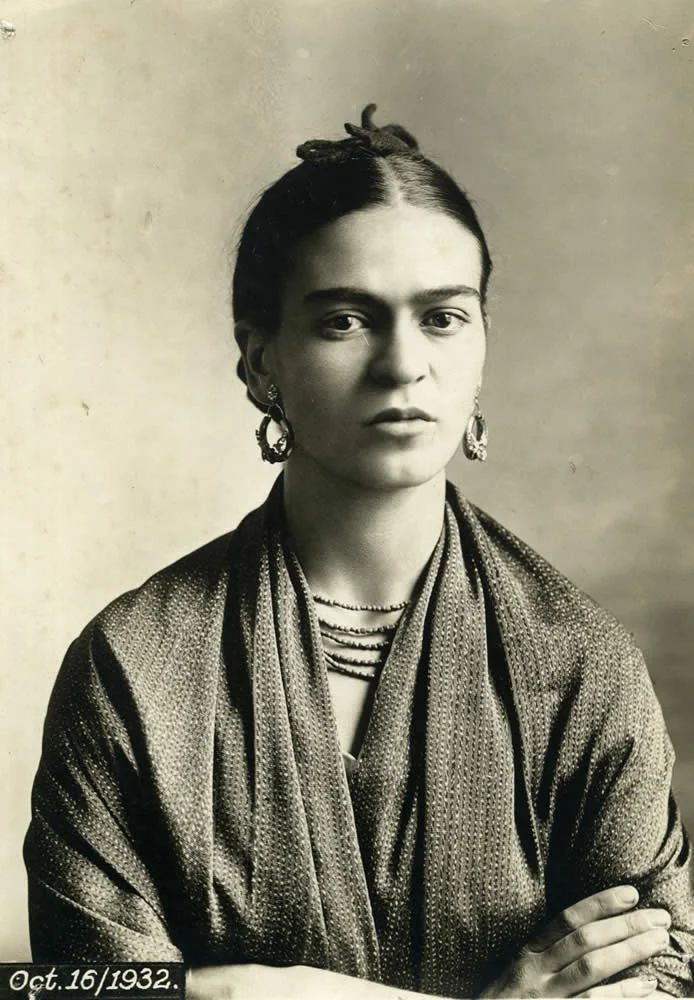
Germany - Mexico. Frida Kahlo. Family Stories.
An evening for Frida Kahlo fans and culture enthusiasts: Gaby Franger follows the traces of a famous family between Germany and Mexico. 11.04.2026, 5:00 PM, 5 Euros. #FridaKahlo #Fürth
Storytime – Female Artists in Children's Books
A calm family afternoon full of art, stories, and children's laughter in Fürth: storytime, observing, painting, and marveling together. #FamilyTime
Readings at noon: Now it strikes thirteen in Fürth
An hour of literature with attitude in Fürth: Lydia Wagener, Ruth Lenz-Tichai and guests read about belonging and foreignness. 04/16/2026, 1 PM, €3. #Fürth #Reading #Literature
Frequently Asked Questions
Reviews
Peter Rudl
13. February 2026
A lovely little museum, currently hosting a small but very charming exhibition featuring the Mexican artist Christina Kahlo 🙏🍀💫♥️🤍. The staff were also very welcoming and friendly 🤩.
Anaïs Kelly
12. September 2021
If you are in Fürth or Nuremberg, the Museum of Women's Culture Regional International is certainly an original and very informative visit. The museum also offers public guided tours every Sunday at 3 pm.
Eberhard Schmidt
9. November 2025
You get a glimpse into the lives of women in Afghanistan. These terrible conditions are practically never reported in our media.
E. K-T
2. September 2024
I had a really interesting guided tour of the "Women's Image Under Construction" exhibition yesterday. Thank you so much! It's a shame the museum is closing! I'm keeping my fingers crossed that suitable premises will be found soon!
Dorothea Eichhorn
24. August 2024
A very nice exhibition - lovingly done.