
Shida Bazyar
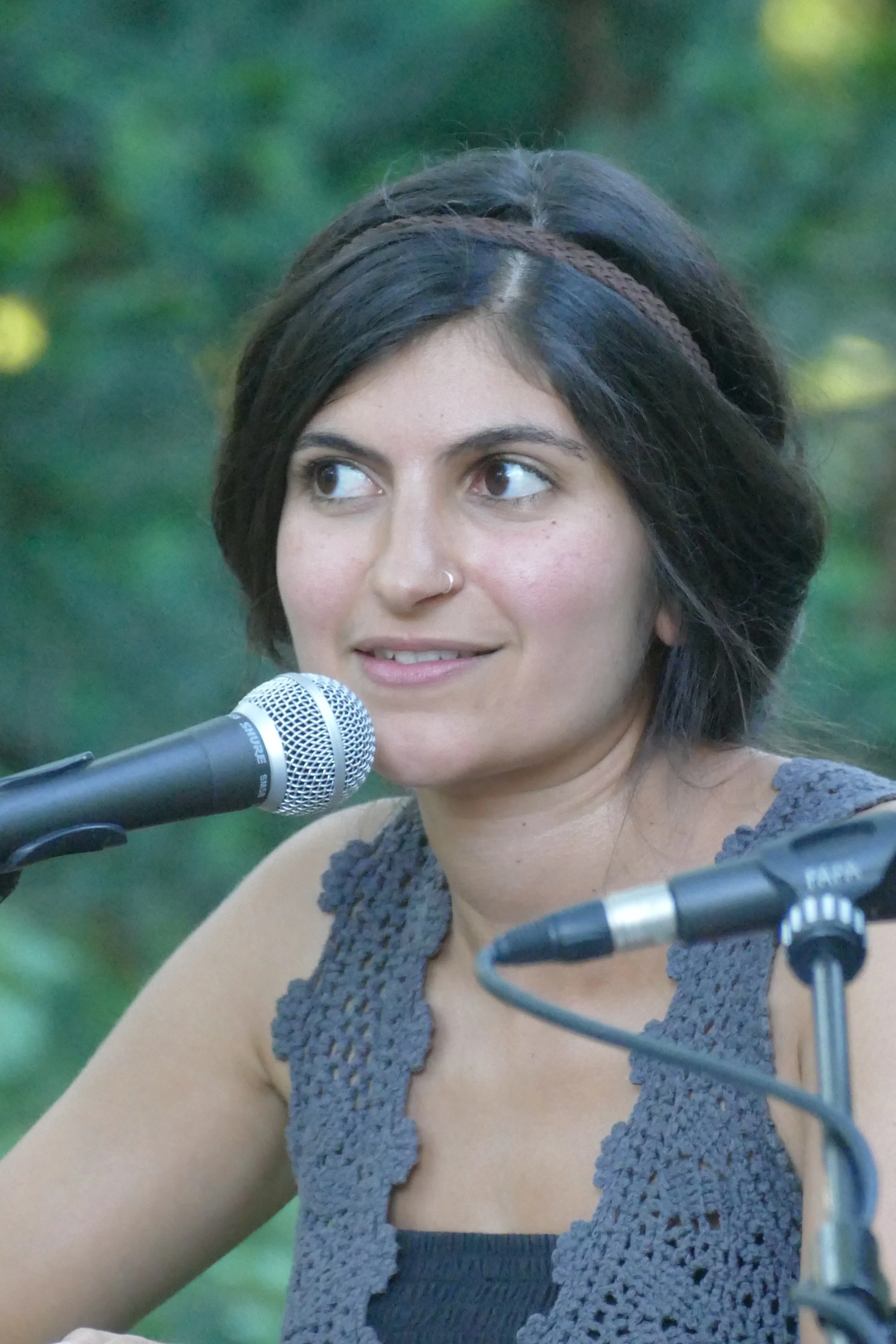
Image from Wikipedia
Image from Wikipedia
Shida Bazyar: One of the Most Distinctive Voices in Contemporary German Literature
Literary Precision, Political Impact, and a Voice with Significant Social Resonance
Shida Bazyar, born in 1988 in Hermeskeil, is among the most prominent German-speaking authors of her generation. Her work combines personal experience, political sensitivity, and clear, concise prose to create literature that not only describes the present but also dissects it. Anyone engaging with modern German literature, post-migrant perspectives, and narrative sharpness cannot overlook her contributions. Her novels showcase an author who writes with great stylistic confidence while consistently focusing on power, belonging, and memory.
Background and Literary Influence
Shida Bazyar's biography does not begin in a literary ivory tower but rather in a family history marked by flight and political experience. Her parents fled Iran in 1987 following the Islamic Revolution; this context serves as a significant resonance space for her writing. Bazyar studied Creative Writing in Hildesheim and Cultural Journalism, an education evident in the precise formulation and journalistic sharpness of her texts. She then lived in Berlin and worked for many years in youth education, further refining her keen observation of social realities.
A Breakthrough with a Debut That Set Standards
With her debut novel Nachts ist es leise in Teheran, Shida Bazyar made a remarkable entrance into the literary public in 2016. The book won the Blogger Prize for Literature, the Ulla Hahn Author's Prize, and the Uwe Johnson Promotion Prize and has been translated into several languages. Here, a central strength of her artistic development became evident: Bazyar intertwines family history, political experience, and social analysis into a narrative arc that extends far beyond the private sphere. Her debut made it clear that she is an author who brings great historical and emotional threads into precise literary form.
Narration as Political Condensation
Shida Bazyar's prose is never merely decorative but is always aimed at a substantive intensification. Her texts employ shifts in perspective, condensation, and a language that does not smooth over conflicts but makes them visible. This attitude is powerfully displayed, especially in Drei Kameradinnen: the novel has been described as intense, uncompromising, and highly relevant socially, highlighting the tensions within contemporary German literature in the microcosm of friendship. Bazyar is interested in power dynamics, the language of exclusion, and the question of how individual life narratives intertwine with political structures.
Major Works and Literary Position
Among her key publications are Nachts ist es leise in Teheran and Drei Kameradinnen; in 2026, another novel titled Die Lücken will be released, which has already garnered significant attention before its publication. The publisher describes the new work as a literary archaeology of homeland, highlighting that Bazyar explores the burdens of history and the illusion of new beginnings within it. Her books have been translated into several languages and have gained international recognition, further strengthening her standing in the literary field. The theater adaptation of Drei Kameradinnen also demonstrates how strongly her texts resonate beyond the book.
Style, Language, and Aesthetic Signature
What distinguishes Shida Bazyar is the combination of analytical sharpness and emotional intensity. Her language remains controlled, rhythmic, and pointed, without losing warmth or urgency. Characters and conflicts rarely unfold linearly in her work; rather, multifaceted narrative spaces emerge in which memory, present, and societal attributions interweave. This composition of political accuracy and literary tension makes her work so compelling for readers.
Critical Reception and Cultural Significance
The reception of Shida Bazyar's work has been exceptionally strong. Her debut was not only awarded but also regarded as an important contribution to contemporary German literature. Drei Kameradinnen was accompanied by critical acclaim from the publisher that emphasized the intensity, radicalism, and narrative power of the novel. Internationally, her work has garnered interest; the translations and the nomination of the English version of Nachts ist es leise in Teheran for the International Booker Prize 2026 underline her authority in the literary discourse. Bazyar thus represents a literature that is both aesthetically ambitious and socially relevant.
Current Developments and Outlook
With Die Lücken, Shida Bazyar once again focuses on history, origins, and the tension between individual memory and collective guilt. The pre-released critical acclaim suggests that this work will further solidify her reputation as a precise and powerful storyteller. Her career shows a consistent trajectory: from an award-winning debut to a celebrated second novel and now to a new book that is already perceived as significant before its release. Those who follow Bazyar's work witness an author who deepens her themes without losing clarity or narrative energy.
Conclusion: Why Shida Bazyar Remains Exciting
Shida Bazyar remains exciting because she writes literature with integrity and never falls into mere messaging. Her novels combine personal history, political analysis, and strong characters into a present-day prose of high intensity. She is among those authors whose work is not only read but also discussed, further contemplated, and measured against cultural debates. Anyone who appreciates literary precision, social relevance, and narrative power should definitely read Shida Bazyar and keep an eye on her readings and stage appearances.
Official Channels of Shida Bazyar:
- Instagram: no official profile found
- Facebook: no official profile found
- YouTube: no official profile found
- Spotify: no official profile found
- TikTok: no official profile found
Sources:
- Wikipedia: Shida Bazyar
- Rowohlt Theater Verlag – Shida Bazyar
- Kiepenheuer & Witsch – Die Lücken
- Kiepenheuer & Witsch – Drei Kameradinnen
- Kiepenheuer & Witsch – Rights / Author Page
- Litrix – Sample Reading of Drei Kameradinnen
- Litrix – Shida Bazyar: Drei Kameradinnen
- Premio Strega Europeo – Shida Bazyar
- Wikipedia: Image and text source