
Ronja von Rönne
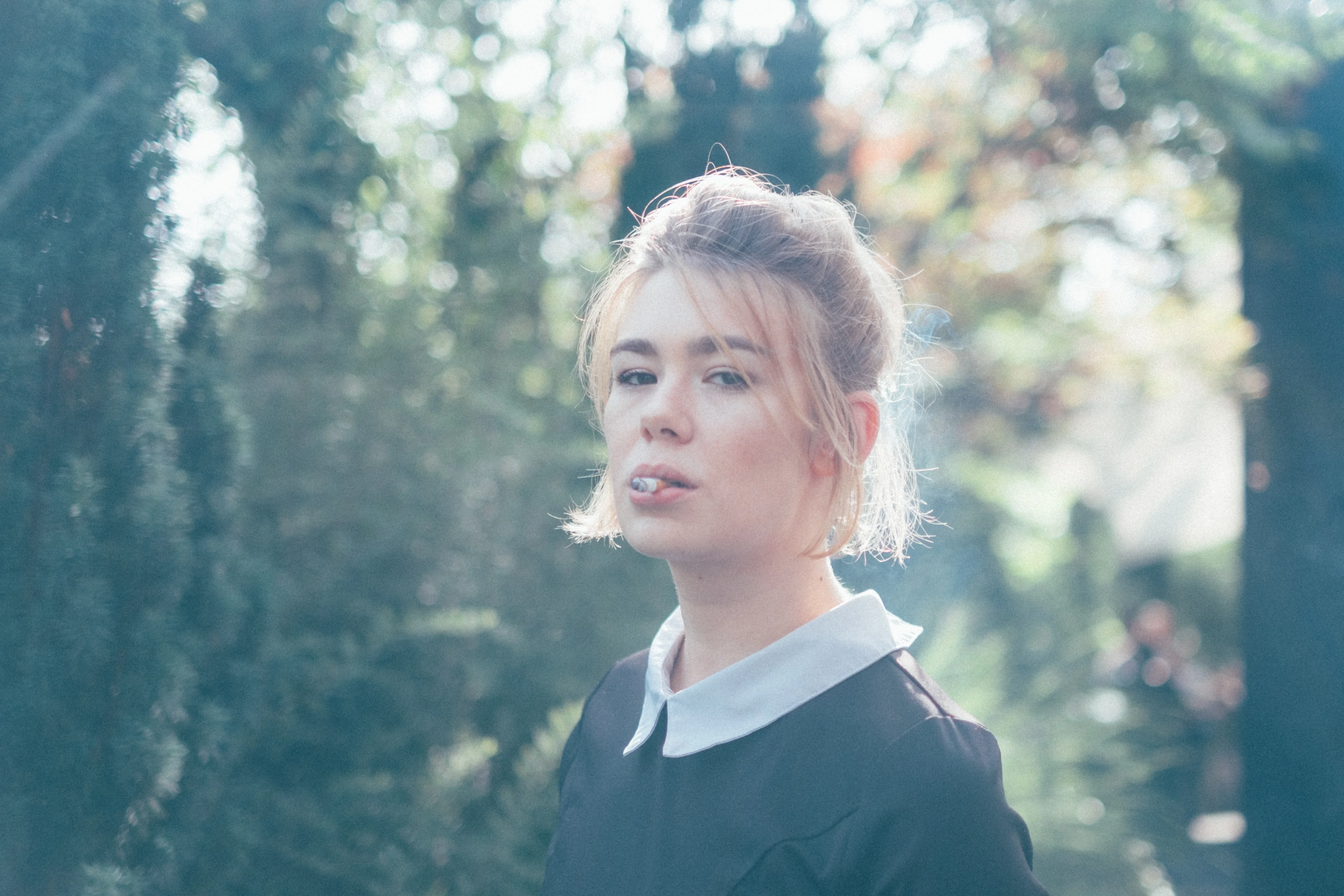
Image from Wikipedia
Image from Wikipedia
Ronja von Rönne – the astute voice between literature, journalism, and the contemporary
An author who does not shy away from friction
Ronja von Rönne is among the defining German-speaking authors and journalists of her generation. Born in 1992 in Berlin and raised in Upper Bavaria, she early on established herself as a literary observer of everyday life, a sharp columnist, and a moderator with a clear profile. Her path leads from feuilleton and blog culture to literary novels and television formats for ARTE – always with an unmistakable blend of analytical sharpness, self-irony, and societal curiosity. ([zeit.de](https://www.zeit.de/autoren/R/Ronja_von-Roenne/index))
Biography: Berlin, Upper Bavaria, and the outsider’s perspective
Ronja Larissa von Rönne was born on January 16, 1992, in Berlin and spent her childhood in the Upper Bavarian town of Grassau. This dual upbringing – city and province, urban discourse and rural reality – weaves like a fine undercurrent through her texts. She studied journalism, theater studies, literary writing, and cultural journalism, bringing early on the tools that continue to shape her writing today: precise observation, linguistic emphasis, and a keen sense for cultural debates. ([zeit.de](https://www.zeit.de/autoren/R/Ronja_von-Roenne/index))
Her career began in journalism and the digital public sphere before she increasingly carved out her identity as a literary voice. Starting in 2015, she worked as a feuilleton editor at the daily newspaper Die Welt, where she published lifestyle columns that dealt with self-presentation, housing, social codes, and the spirit of the times. This early phase made her known for a clear, often provocative stance and for texts that do not avoid contradiction but make it productive. ([bavarikon.de](https://www.bavarikon.de/object/bav%3ABSB-LPB-000AP00000002235?lang=de&utm_source=openai))
The literary breakthrough: From column tone to novel
Ronja von Rönne achieved her public breakthrough as an author with her debut novel Wir kommen, which was published in 2016 by Aufbau Verlag. Just a year later, the collection of columns Heute ist leider schlecht was released by S. Fischer Verlag, a volume that condensed her tone between melancholy, irony, and social analysis. Her texts never merely comment; they seek the inner movement behind the headlines and start where personal sensitivities and collective present intertwine. ([zeit.de](https://www.zeit.de/autoren/R/Ronja_von-Roenne/index))
The contemporary resonance of her work is also reflected in the fact that her texts regularly appear in major media houses like ZEIT and ARTE or are continued in formats by these institutions. ZEIT lists her as a freelance author, refers to her regular columns, and documents a wide spectrum of her topics – from procrastination and ADHD to desires for children and travel, as well as depression, art, and society. This creates the image of an author who transforms personal experience into journalistic precision. ([zeit.de](https://www.zeit.de/autoren/R/Ronja_von-Roenne/index))
Moderation and media presence: ARTE as a stage for thought
Beyond writing, Ronja von Rönne has expanded her profile. From 2017 to 2022, she moderated the format Streetphilosophy for ARTE, and since 2023, she has been the sole moderator of Unhappy. These works show a media figure who connects conversation, reflection, and analysis of the contemporary, targeting complex topics in a clear, accessible tone. Her presence in such formats expands the author’s role to include a performative, discursive dimension. ([marcelhartges.de](https://www.marcelhartges.de/ronja-von-roenne-de))
The ARTE show Unhappy starts precisely where Ronja von Rönne is most powerful literarily: in uncertainty, self-examination, and the question of how to find orientation in an overstimulated present. The combination of conversation management, observation, and essayistic attitude makes her a moderator who convinces not just through presence but through substantive contours. Her work exemplifies a generation of media authors navigating between print, moving images, and the digital public sphere with confidence. ([arte.tv](https://www.arte.tv/de/videos/110195-001-A/unhappy/))
Work and publications: An uncompromising literary style
At the center of her work are texts about the private and societal discomforts of the present. This is also reflected in later titles like Ende in Sicht from 2022, Trotz from 2023, and the upcoming book Alles Liebe, scheduled for 2026 with dtv. Additionally, there is an announced film adaptation of Ende in Sicht, further enhancing its relevance beyond the literary scene. ([marcelhartges.de](https://www.marcelhartges.de/ronja-von-roenne-de))
Her books and columns work with strong tempo, pointed observations, and a language that sharply contours everyday phenomena. Reviews and publisher announcements particularly emphasize that her characters and texts handle themes of loneliness, longing, truth, and self-deception with high intensity. Ronja von Rönne does not write from distance but from a stance of involvement – and it is precisely this engagement that gives her writing its tension. ([dtv.de](https://www.dtv.de/buch/alles-liebe-28530?utm_source=openai))
Style and themes: Between self-criticism, pop culture, and social analysis
Ronja von Rönne’s style is characterized by emphasis, tempo, and a keen proximity to everyday reality. Her texts address themes such as depression, procrastination, dating, body images, desires for children, and the demands of public life – not as mere confessions but as societal symptoms. This creates a clear literary signature: personal in access but never privatistic; direct in tone but always reflective. ([zeit.de](https://www.zeit.de/autoren/R/Ronja_von-Roenne/index))
Her ability to make the culture and media industry itself a subject is particularly strong. Whether it’s Instagram self-presentation, political rigidity, everyday aesthetics, or the staging of fame: von Rönne dissects the mechanisms of the present with a language that is both accessible and intellectually precise. This mix explains why her texts often provoke debates and why she remains relevant across various media formats. ([bavarikon.de](https://www.bavarikon.de/object/bav%3ABSB-LPB-000AP00000002235?lang=de&utm_source=openai))
Cultural influence and public perception
Ronja von Rönne has established herself as a voice that does not shy away from polarization but never relies solely on effect. Her early columns with Die Welt, her regular contributions to ZEIT, and her media work for ARTE showcase an author who operates in the realm of literature, journalism, and popular discourse. It is precisely this versatility that defines her cultural influence: she reaches readers and viewers who are as interested in precise observations as they are in an independent stance on the present. ([zeit.de](https://www.zeit.de/autoren/R/Ronja_von-Roenne/index))
The reactions to her texts and appearances also indicate that she generates friction and sparks conversations. Whether as a columnist, author, or moderator: Ronja von Rönne works with a language that resists triviality. In a media landscape full of interchangeable tones, that is her trademark. ([de.wikipedia.org](https://de.wikipedia.org/wiki/Ronja_von_R%C3%B6nne?utm_source=openai))
Conclusion: An author with a stance and sense of the contemporary
Ronja von Rönne is fascinating because she connects personal feeling with social diagnosis and thereby forms an unmistakable literary voice. While she doesn’t have a music career in the classical sense, her texts’ dramaturgy, the rhythm of her language, and the stage presence of her moderations showcase a sense of form, timing, and impact reminiscent of great pop narratives. Those who appreciate contemporary German-language literature, insightful media criticism, and pointed observations of the present will find here an author with substance and profile. ([zeit.de](https://www.zeit.de/autoren/R/Ronja_von-Roenne/index))
Those who experience Ronja von Rönne live encounter a voice that puts thought, doubt, and emphasis into motion. This is exactly where her strength lies: she writes and moderates not for consensus, but for the experience that good culture keeps questions open. ([marcelhartges.de](https://www.marcelhartges.de/ronja-von-roenne-de))
Official channels of Ronja von Rönne:
- Instagram: https://www.instagram.com/sudelheft/?hl=de
- Facebook: No official profile found
- YouTube: No official profile found
- Spotify: No official profile found
- TikTok: No official profile found