
Rhythm and Blues
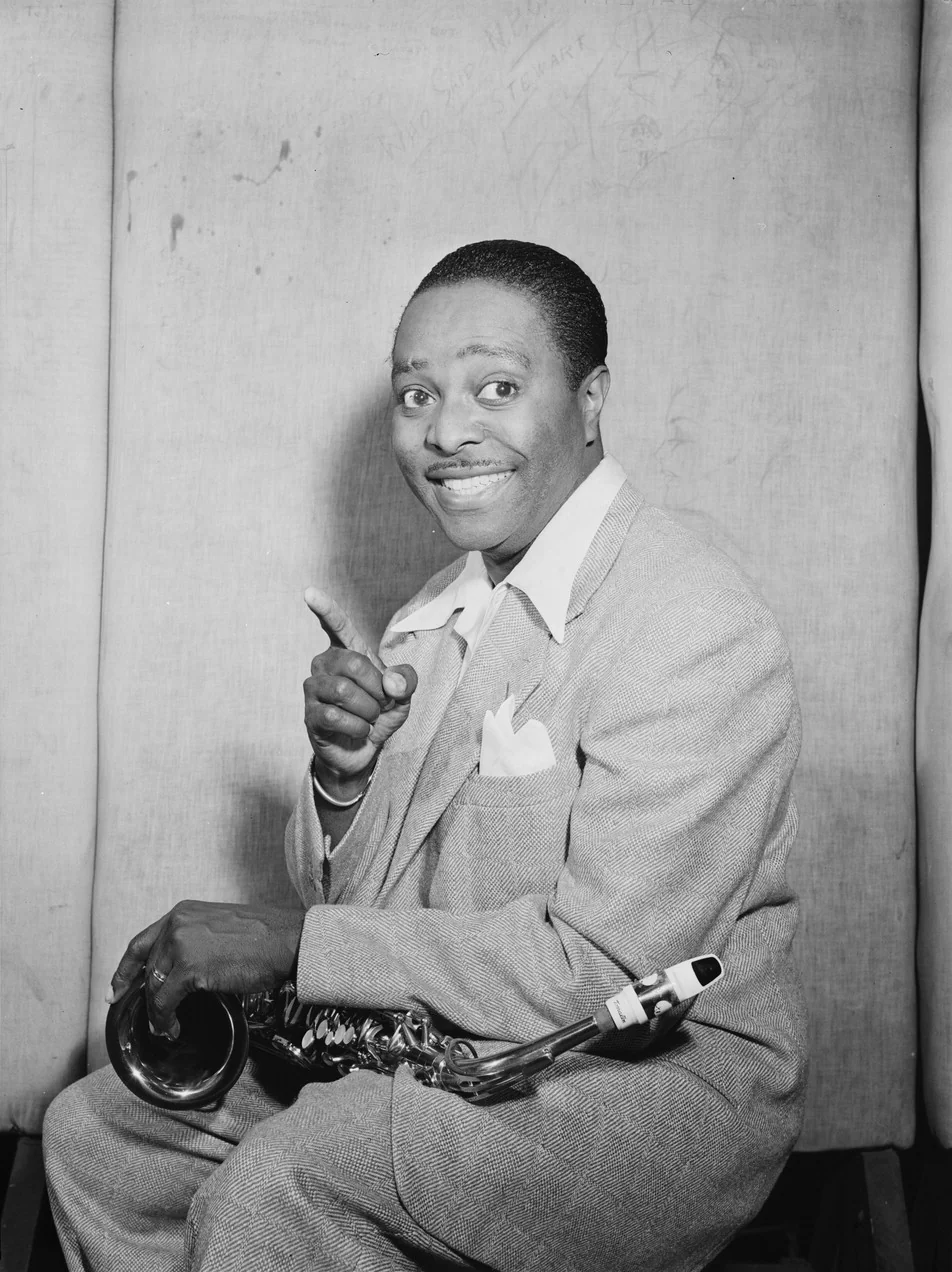
Image from Wikipedia
Image from Wikipedia
Rhythm and Blues: The Soul of African American Pop Music
Rhythm and Blues between Blues, Gospel, and the Dawn of Rock ’n’ Roll
Rhythm and Blues, often referred to as R&B, is one of the most influential stylistic concepts in the history of pop music. The term initially referred to the dominant African American entertainment music of the 1940s, later evolving into a collective term for the diverse forms of black pop music. This musical tension not only gave rise to a distinct sound language but also served as a crucial precursor to Rock ’n’ Roll. ([britannica.com](https://www.britannica.com/art/rhythm-and-blues?utm_source=openai))
The history of the term itself shows how closely intertwined culture, industry, and social shifts are in Rhythm and Blues. The term emerged in 1941 as a substitute for the considered discriminatory term “Race Music,” and was firmly established as a chart and genre designation by Billboard from 1949 onwards. Thus, R&B marked not just a musical category, but also a historical change in the perception of African American music in the USA. ([en.wikipedia.org](https://en.wikipedia.org/wiki/Jerry_Wexler?utm_source=openai))
Biography of a Genre: Roots in African American Music Culture
The artistic development of Rhythm and Blues begins in the black communities of the United States, where Blues, Gospel, Jump Blues, Swing, and Boogie-Woogie intersected. The Smithsonian describes R&B as an amalgamation of these movements, emerging during a time of social tension, racial segregation, and the struggle for civil rights. This historical depth lends the genre its emotional weight and cultural authority that is still felt today. ([si.edu](https://www.si.edu/object/archives/components/sova-cfch-sff-2011-ref36?utm_source=openai))
Musically, early Rhythm and Blues was characterized by a strong emphasis on the beat, driving shuffle rhythms, distinctive bass lines, and striking brass arrangements. The line-ups ranged from small piano trios to larger ensembles with rhythm sections and horn sections. This connection of direct physicality, club energy, and vocal intensity made R&B a music that had an immediate impact both on the dance floor and on the radio. ([si.edu](https://www.si.edu/object/archives/components/sova-cfch-sff-2011-ref36?utm_source=openai))
The Breakthrough in the Mainstream: Billboard, Charts, and New Terms
The industrial visibility of Rhythm and Blues increased significantly with the Billboard charts. The renaming of the then “Race Records” category to “Rhythm & Blues” was more than a cosmetic change: It created a new vocabulary for the music market and helped position African American pop music within a broader commercial framework. In this sense, R&B became a nexus between Black cultural production and the American music industry. ([en.wikipedia.org](https://en.wikipedia.org/wiki/Jerry_Wexler?utm_source=openai))
At the same time, the term remained fluid and changeable. Early on, it referred both to specific post-war music of African American origin and to white derivations of it. Later, the meaning shifted again: Soul, Motown, Pop-Soul, and ultimately Contemporary R&B made the term even more elastic and opened it up to new production aesthetics, from smooth arranged crossover to the blend of pop and hip-hop. ([britannica.com](https://www.britannica.com/art/rhythm-and-blues?utm_source=openai))
From Beat to World Formula: How R&B Prepared Rock ’n’ Roll
The historical significance of Rhythm and Blues also lies in its provision of the sonic grammar for Rock ’n’ Roll. Britannica explicitly notes R&B as the main precursor to rock music, and numerous music historical accounts emphasize how the driving patterns, call-and-response gestures, and the connection of blues harmony with danceable energy revolutionized later pop music. What originated in R&B during the 1940s and 1950s evolved into a global youth culture in rock. ([britannica.com](https://www.britannica.com/art/rhythm-and-blues?utm_source=openai))
This development also had an aesthetic dimension. The tension between rawness and structure, between improvisational freedom and clear song form, made R&B attractive to producers and bands alike. Artists like Bo Diddley and later Motown acts continued to work with this energy, transforming Rhythm and Blues into a blueprint for pop production that resonates to this day. ([smithsonianmag.com](https://www.smithsonianmag.com/arts-culture/who-do-you-love-234339/?utm_source=openai))
Discography in a Cultural Sense: Key Works, Charts, and Reception
A discography of Rhythm and Blues cannot be conveyed as a mere list of albums but rather as a story of defining songs, sessions, and charts. Billboard has led the Rhythm and Blues chart since 1949, and it is precisely there that the evolution of the genre can be traced over decades. The term remained a central ordering system even as the musical field differentiated into Soul, Funk, Contemporary R&B, and Pop-R&B. ([en.wikipedia.org](https://en.wikipedia.org/wiki/Jerry_Wexler?utm_source=openai))
The critical reception of the genre fluctuates between historical appreciation and genre demarcation. On one hand, R&B represents the creative contributions of African American musicians; on the other, the term has increasingly been used since the 1980s and 1990s for stylistic fusions with pop and hip-hop. This very adaptability illustrates the genre's reach: it does not remain in the archive but renews itself with each generation. ([britannica.com](https://www.britannica.com/art/rhythm-and-blues?utm_source=openai))
Musical Development from the 1940s to Contemporary R&B
In the 1980s and 1990s, Rhythm and Blues underwent a semantic and sonic reinterpretation. With artists like Michael Jackson, Whitney Houston, Mariah Carey, Lionel Richie, and Prince, the term increasingly became associated with highly polished pop production, soulful feeling, and chart-friendly harmony work. Later, Contemporary R&B was often understood as a fusion of pop and hip-hop, featuring more programmed production, modern sound design, and lyrical intimacy. ([en.wikipedia.org](https://en.wikipedia.org/wiki/Rhythm_and_blues?utm_source=openai))
This development also explains why R&B is still considered one of the most flexible categories in pop music. The style absorbs influences rather than deflecting them: it incorporates gospel emphasis, soul smoothness, hip-hop aesthetics, and electronic production, forming a contemporary, often very personal-sounding musical language. This is precisely where its lasting popularity lies. ([britannica.com](https://www.britannica.com/art/rhythm-and-blues?utm_source=openai))
Cultural Influence: More than a Genre, a Musical Memory
The cultural influence of Rhythm and Blues extends far beyond music. R&B became a means of expressing identity, social advancement, urban experience, and Black cultural pride. Its history reflects migration, segregation, the entertainment industry, and political self-assertion. The genre is thus not only a sound form but also an acoustic archive of African American modernity. ([si.edu](https://www.si.edu/object/archives/components/sova-cfch-sff-2011-ref36?utm_source=openai))
The transatlantic impact is also significant. The British Rhythm and Blues boom of the 1960s and the global reception of black American pop music showcased how profoundly the aesthetics of the genre have shaped international scenes. From dance music to soul to modern R&B, this tradition remains a reference point for producers, singers, songwriters, and bands worldwide. ([timeline.carnegiehall.org](https://timeline.carnegiehall.org/genres/rhythm-blues?utm_source=openai))
Conclusion: Why Rhythm and Blues Continues to Fascinate
Rhythm and Blues fascinates because the genre is both historically rooted and constantly evolving. It combines musical depth with immediate physicality, cultural memory with modern pop dramaturgy, and intimate voice with collective energy. Those who follow the history of R&B hear nothing less than the development of popular music in the 20th and 21st centuries. ([britannica.com](https://www.britannica.com/art/rhythm-and-blues?utm_source=openai))
Experiencing Rhythm and Blues live or through its classic recordings encounters one of the most emotionally rich chapters in music history. It is precisely in this blend of groove, feeling, historical significance, and stylistic openness that its enduring greatness lies. R&B is not merely a genre designation but a vibrant cultural resonance space that constantly invites new discoveries. ([britannica.com](https://www.britannica.com/art/rhythm-and-blues?utm_source=openai))
Official Channels of Rhythm and Blues:
- Instagram: no official profile found
- Facebook: no official profile found
- YouTube: no official profile found
- Spotify: no official profile found
- TikTok: no official profile found