
Norbert Nagel
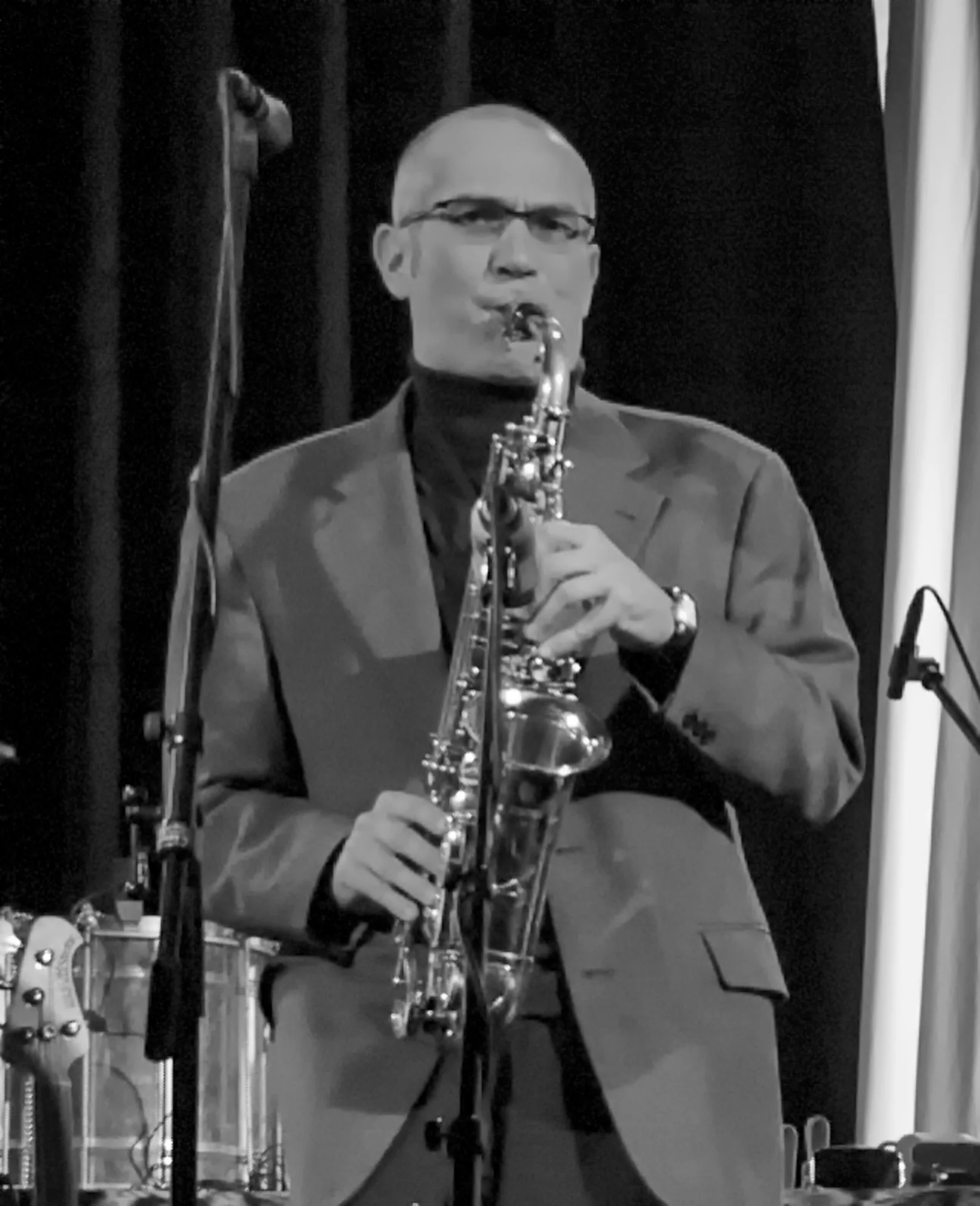
Image from Wikipedia
Image from Wikipedia
Norbert Nagel – the musical boundary crosser between classical, jazz, and song art
An artist who opens sound spaces and reconnects genres
Norbert Nagel, born on February 18, 1961, in Vilseck, is among those German musicians whose careers cannot be confined to a single category. As a clarinetist, saxophonist, composer, arranger, and multi-instrumentalist, he navigates effortlessly between big bands, symphony orchestras, chamber music, and song accompaniment. His musical career represents technical precision, stylistic openness, and a rare ability to weave musical worlds together. ([de.wikipedia.org](https://de.wikipedia.org/wiki/Norbert_Nagel))
Biography: From the Upper Palatinate to the grand concert halls
His journey begins in the Upper Palatinate, passes through the Nuremberg Conservatory, and continues to the Hochschule für Musik und Theater in Munich as well as the jazz department of the Hochschule für Musik and Tanz in Cologne. Early on, it becomes clear that Nagel possesses not only instrumental virtuosity but also a fine sensitivity to timbres and musical dramaturgy. Along with his brother Karsten Nagel, he founded the Roseau Quintet in 1983, which released four recordings in the following years and sharpened its chamber music signature. ([de.wikipedia.org](https://de.wikipedia.org/wiki/Norbert_Nagel))
This early phase lays the groundwork for a career that focuses on versatility rather than one-way streets. Nagel develops into a musician who is at home in both classical and jazz and in cross-genre projects. His artistic development shows a clear connecting thread: musical curiosity, high stylistic adaptability, and a keen instinct for sound architectures. ([de.wikipedia.org](https://de.wikipedia.org/wiki/Norbert_Nagel))
Career: Big bands, orchestras, and the art of musical dialogue
Norbert Nagel established himself early in the German music scene as a sought-after soloist and ensemble musician. He plays in radio big bands and in free formations like the Thilo Wolf Big Band, as well as in renowned orchestras such as the Bavarian State Opera and the Berlin and Munich Philharmonic orchestras. That he works as a conductor and soloist or directly from the orchestra highlights his reputation as a musical leader with oversight and creative power. ([de.wikipedia.org](https://de.wikipedia.org/wiki/Norbert_Nagel))
In the 1990s, his work with singer-songwriters became more prominent. Nagel accompanied Hannes Wader, Udo Jürgens, and Konstantin Wecker on tours throughout Europe, shaping an aesthetic with arrangements and productions where song, chanson, and orchestral sound come closely together. For Wecker, he produced the album Wenn du fort bist; with his arrangements for the CD Heut wird’s schön, he won the Troubadour Chanson Competition in 2007. ([de.wikipedia.org](https://de.wikipedia.org/wiki/Norbert_Nagel))
Studio musician with an international profile
In the studio, Nagel is also one of the most sought-after names. He can be heard on over 100 recordings, including productions such as Hans Zimmer’s Das Geisterhaus and Lou Bega’s Mambo Nr. 5. Collaborations with Till Brönner, Dominic Miller, Martha Argerich, Lang Lang, Emmanuel Pahud, Ricky Lawson, Neil Stubenhaus, and Al Martino further emphasize his extensive reach and the trust artists from very different musical contexts place in him. ([de.wikipedia.org](https://de.wikipedia.org/wiki/Norbert_Nagel))
As a studio musician, Nagel demonstrates that rare combination of flexibility and distinctiveness. He not only delivers functional contributions but shapes sound, line, and atmosphere with a clear signature. His work is thus an example of lived expertise: precise intonation, stylistic assurance, and a pronounced sensitivity for arrangement and production. ([de.wikipedia.org](https://de.wikipedia.org/wiki/Norbert_Nagel))
Musical development: constant exchange between classical, jazz, and world music
Norbert Nagel is regarded as a musical boundary crosser who does not shy away from the friction points between jazz, traditional music, and classical, but rather harnesses them productively. His concert programs often follow this very principle: orchestral richness meets improvisational freedom, chamber musical transparency encounters popular melody. His official website describes this approach as a bridge between classical, jazz, and world music, which lies at the core of his artistic identity. ([norbertnagel.com](https://www.norbertnagel.com/))
This line is particularly evident in projects like the Raw Concerts, which he launched in 2010. In collaboration with the Munich Radio Orchestra, the Bavarian Chamber Orchestra, and the Ensemble Kontraste, he realized concert programs exploring the mutual influence of jazz, traditional music, and classical. Such formats not only showcase Nagel as an interpreter but also as a curator of sound ideas, deliberately shaping musical transitions. ([norbertnagel.com](https://www.norbertnagel.com/bio/))
Key milestones and current projects
The present of his career remains productive and vibrant. Since 2021, Norbert Nagel has been touring with Jo Barnikel and Fany Kammerlander as Trio Sfera, an ensemble that continues the connection of musical intimacy, poetry, and stylistic openness. Meanwhile, current program announcements feature concerts such as The Gentlemen of Jazz and Sinfonía del Tango, where Nagel again bridges jazz, tango, and orchestral finesse. ([de.wikipedia.org](https://de.wikipedia.org/wiki/Norbert_Nagel))
He will also remain visible on stage in 2024 and 2025. His website highlights the Great Cultural Prize of the City of Fürth for 2024, which was awarded on November 17, 2024. The current concert announcements up to 2026 emphasize that Nagel's music career is by no means living in the past but consists of continued artistic movement. ([norbertnagel.com](https://www.norbertnagel.com/home-alt/))
Discography and influential recordings
Norbert Nagel's discography is less the chronicle of a solo star but rather the portfolio of a highly networked musician. Productions he has shaped or contributed to include Lieblingslieder, Friends and Friends, Ein Spaziergang, Heut wird’s schön, Wut und Zärtlichkeit, The Christmas Album, Love Me Gershwin, Heart of the Matter, and further works with Konstantin Wecker, Udo Jürgens, Hannes Wader, and the Deutsches Symphonie-Orchester Berlin. This selection illustrates the range from chanson through jazz to symphonically influenced music. ([de.wikipedia.org](https://de.wikipedia.org/wiki/Norbert_Nagel))
His own work as an interpreter and arranger particularly stands out in Lieblingslieder, whose sound language is described on the website as weightless, intimate, and mysterious. Familiar songs appear here in a reduced yet intricately crafted form; Nagel’s arrangements focus on atmosphere, melodic delicacy, and an almost narrative approach to music-making. This makes his discography a showcase of his compositional and arranging signature. ([norbertnagel.com](https://www.norbertnagel.com/))
Critical reception and cultural influence
In reception, Nagel appears as a musician with depth and emotional directness. The Berliner Morgenpost describes him as an artist who “not only plays virtuously but with heartfelt passion,” and this combination of technique and expression shapes his public profile. His official website also highlights that he has won awards with his ensembles in Asia and Europe, underscoring his international resonance. ([norbertnagel.com](https://www.norbertnagel.com/))
His cultural influence lies primarily in the mediation between musical milieus that are often perceived as separated: classical audiences, jazz scenes, chanson worlds, and musical or song art. Nagel builds these spaces not only acoustically but also institutionally, in opera houses, concert halls, and cross-genre projects. Thus, he has become a fixed point in the German music landscape, where openness and craftsmanship excellence converge. ([de.wikipedia.org](https://de.wikipedia.org/wiki/Norbert_Nagel))
Awards and recognition
Norbert Nagel has won numerous awards, including accolades at the ARD Music Competition, chamber music competitions in Japan and Italy, and from the Bavarian Academy of Fine Arts. In 2024, he received the Great Cultural Prize of the City of Fürth, an acknowledgment that confirms his status as a formative musician in the region and beyond. Such honors signify not only success but also sustainability and artistic credibility. ([de.wikipedia.org](https://de.wikipedia.org/wiki/Norbert_Nagel))
Conclusion: An artist for listeners with a broad horizon
Norbert Nagel fascinates because he does not defend musical boundaries but transcends them. His career connects big band, orchestra, studio work, song accompaniment, and his own artistic concepts into a coherent whole. Those who experience him live hear not only excellent technique but also a musician who works with sensitivity, curiosity, and dramatic instinct. ([norbertnagel.com](https://www.norbertnagel.com/))
This very mix makes him an exciting artist for music lovers seeking depth, style, and vibrant stage presence. A concert with Norbert Nagel always promises more than just a program: it opens sound spaces, tells stories, and demonstrates how rich music becomes when genres do not exclude each other. Experiencing him live is worth it for anyone who appreciates musical quality in its most beautiful, open form. ([norbertnagel.com](https://www.norbertnagel.com/))
Official channels of Norbert Nagel:
- Instagram: no official profile found
- Facebook: https://www.facebook.com/norbert.nagel.7
- YouTube: no official profile found
- Spotify: no official profile found
- TikTok: no official profile found
Sources:
- Norbert Nagel – Official Website
- Biography – Norbert Nagel.com
- Contact – Norbert Nagel.com
- Wikipedia: Norbert Nagel
- Wikimedia Commons: Norbert Nagel (Image source)
- Norbert Nagel – Highlights / Concert Announcements
- Norbert Nagel – Homepage with Press Quote from Berliner Morgenpost
- Wikipedia: Image and text source
Upcoming Events
Nail Meets Head
Park Readings in Fürth City Park
Nail Meets Head
Norbert Nagel & Brandenburg State Orchestra Frankfurt: New Year's Concert in Potsdam
THE GENTLEMEN OF JAZZ in Amberg: Thilo Wolf and Norbert Nagel at the City Theatre