
Marika Rökk
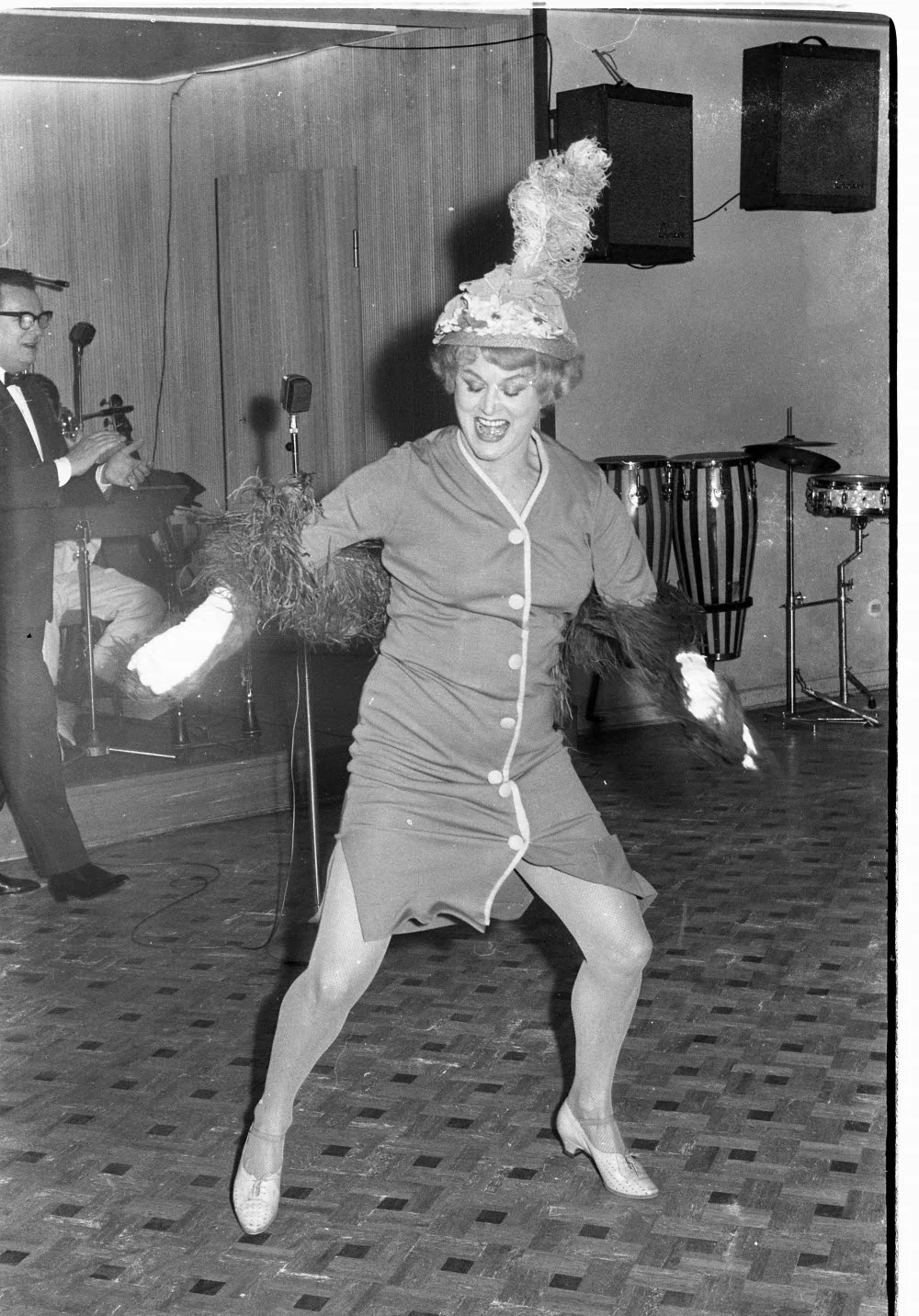
Image from Wikipedia
Image from Wikipedia
Marika Rökk – Icon of the German-Austrian Film Musical
From Revue Artist to Screen Legend: The Artistic Development of an Extraordinary Stage Personality
For decades, Marika Rökk influenced the German-speaking entertainment film and operetta scene as an actress, singer, and dancer. Born in Cairo in 1913 and artistically socialized in Budapest and Paris, she combined virtuosic dance techniques with vocal ease and charismatic stage presence. Her meteoric rise at the UFA studio in the late 1930s, her comeback in the post-war cinema of Austria and Germany, as well as numerous operetta engagements, attest to an exceptional musical career that was sustained by unbroken artistic energy into old age.
Early Years: Training, Revue, and First Film Roles
Marika Rökk's artistic development is rooted in intensive dance and revue training. After her childhood in Budapest, she moved to Paris in the mid-1920s, where she refined her technique in composition, choreography, and acrobatic dance in the milieu of the Moulin Rouge. The late 1920s and early 1930s also marked her first steps in front of the camera: she participated in early screen productions in Britain before returning to the variety and operetta stages. This phase shaped her style: a precise timing between tap dance, classical ballet vocabulary, and show dance – characteristics that would later define the aesthetics of her UFA musicals.
Breakthrough in UFA Musical: From Ensemble to Primadonna
In 1934, Rökk signed her first UFA contract. With films such as Leichte Kavallerie and Heißes Blut, her profile as a dazzling revue star actress became clear. She achieved breakthrough popularity in collaboration with singer and actor Johannes Heesters: productions like Der Bettelstudent, Gasparone, and finally Hallo Janine (1939) set new benchmarks in German-speaking music film. At the same time, directors and producers shifted the dramatic emphasis in favor of her stage personality – an indication of her growing authority within the genre and her consistent positioning as the female lead in revue and operetta films.
Revue Glamour and Color Film: Iconic Roles during the War Years
At the beginning of the 1940s, Rökk's screen persona gained additional brilliance through trend-setting music and revue films. Kora Terry (1940) condensed her dual-role play between innocence and seduction. Pioneering was the technical milestone Frauen sind doch bessere Diplomaten – the first German color feature film – followed by Die Frau meiner Träume (1944). These productions combined choreographically sophisticated ensemble numbers with sumptuous settings, pointed singing performances, and an elegantly deliberate camera work – elements that cemented Rökk's reputation as a central protagonist of German-speaking music film.
Post-War Years, Rehabilitation, and Comeback on Screen and Stage
After 1945, Rökk faced a turning point: a temporary professional ban and legal disputes shaped the immediate post-war period until she was rehabilitated in 1947. Her film comeback occurred with the Austrian revue film Fregola (1948); Kind der Donau (1950) and Die Csárdásfürstin (1951) continued the formula of music, dance, and cheerful misunderstandings. Until the early 1960s, Rökk took on leading roles in popular music and revue comedies before increasingly shifting her artistic energy to the music theater stage.
Operetta, Musical, and Late Screen Successes
Alongside her film career, Rökk developed a second, independent musical career on stage: as Dolly Levi in Hello, Dolly! or in the operetta Die Gräfin vom Naschmarkt (1980) specifically designed for her, she demonstrated the fusion of stage presence, singing, and comedic elegance. Her late work in front of the camera – including Schloss Königswald (1987) – deliberately played with the myth of the UFA divas and presented Rökk as a sovereign grande dame of musical entertainment cinema.
Discography, Singing Style, and Repertoire
Rökk was adept at intertwining pop songs, operetta, and revue singing with a dancer's attitude: flexible phrasing, pointed articulation, and a buoyant rhythm characterized her sound. Her repertoire included popular numbers from film and stage productions, often in arrangements that combined orchestral lightness with jazz-colored accents. The discography reflects this through historical recordings, collections, and later compilations. Even decades after her studio recordings, curated retrospectives and best-of editions appear, bundling the canon of her pop and revue hits and reaching new audiences.
Current Relevance of the Catalog: Reissues and Curations
The digital age has made Rökk's recordings accessible again in curated compilations. Recent releases compile stage and screen numbers, including titles such as Sag beim Abschied leise Servus, Yes Sir, That’s My Baby, Cielito Lindo, Guitarren-Boogie, Mambo-Jambo, Sing mit mir! or Hello Dolly. These edition projects offer not just restored sound quality, but also a music-historical contextualization of the revue and operetta genre between swing influences, pop tradition, and orchestral entertainment music.
Critical Reception and Awards
The music press and film critics recognize Rökk as one of the defining faces of German-speaking entertainment cinema. Her musicality, choreographic precision, and the commanding stage presence with which she carried major revue numbers are considered core elements of her authority in the genre. Towards the end of her career, she received significant awards, including the Filmband in Gold (German Film Award, 1981) and the Gold Honorary Medal of the City of Vienna (1983). Several Bambi awards further document the enduring popularity and appeal of her artistic brand.
Stylistic Classification: Choreography, Camera, and Sound
Rökk's productions thrive on the interplay of dance, composition, and cinematic space direction. In her revue films, camera movements, editing, and choreographic patterns converse: the dance indeed prescribes the visual axis, while the arrangement emphasizes the pulse of the music. Vocally, Rökk relied less on vocal virtuosity than on timbre, timing, and text intelligibility – a strategy that, in conjunction with precise body work, created a distinctive stage characteristic. This signature explains why her numbers still feel vibrant even in modern remasters.
Cultural Context and Ambivalences
Rökk's career falls within politically charged decades. Her successes in the late 1930s and early 1940s emerged within a studio system that closely intertwined entertainment and representation. After 1945, legal examinations, rehabilitation, and repositioning took center stage. Historical research, film archives, and biographies illuminate these ambivalences – between the escapist brilliance of the revue and the production conditions surrounding it. Rökk's later stage work and the persistent popularity of her music and films also point to the enduring aesthetic achievement of her artistic development.
Legacy: Canon Formation in German-Speaking Music Film
Marika Rökk stands in line with Zarah Leander, Ilse Werner, and Lillian Harvey, yet embodies a specific synthesis of dance virtuosity, light head voice, and comedic timing. Her music career demonstrates how the revue and operetta fields developed advanced forms of show dramaturgy in sound film. The continuous reprise of her films, new digital editions, and the vibrant archiving in Germany and Austria make Rökk's work accessible to today's music lovers, dance historians, and cinephiles alike.
Conclusion: Why Marika Rökk Still Enthralls Today
Anyone wanting to understand the evolution of the German-speaking music film cannot overlook Marika Rökk. Her stage presence, the combination of singing, dancing, and acting, and the elegance of the arrangements – all make her film and operetta moments reference points of a genre that combines entertainment with stylistic finesse. Her work is worth rediscovery: in restored film copies, carefully curated compilations, and on stages revisiting her great numbers. Recommendation: Watch Rökk's revue classics and her later self-ironic film appearances – and experience the rhythmic precision, the gentle smile, and the unmistakable drive live in concerts and stage adaptations.
Official Channels of Marika Rökk:
- Instagram: No official profile found
- Facebook: No official profile found
- YouTube: No official profile found
- Spotify: No official profile found
- TikTok: No official profile found