
Hans Scheuerecker
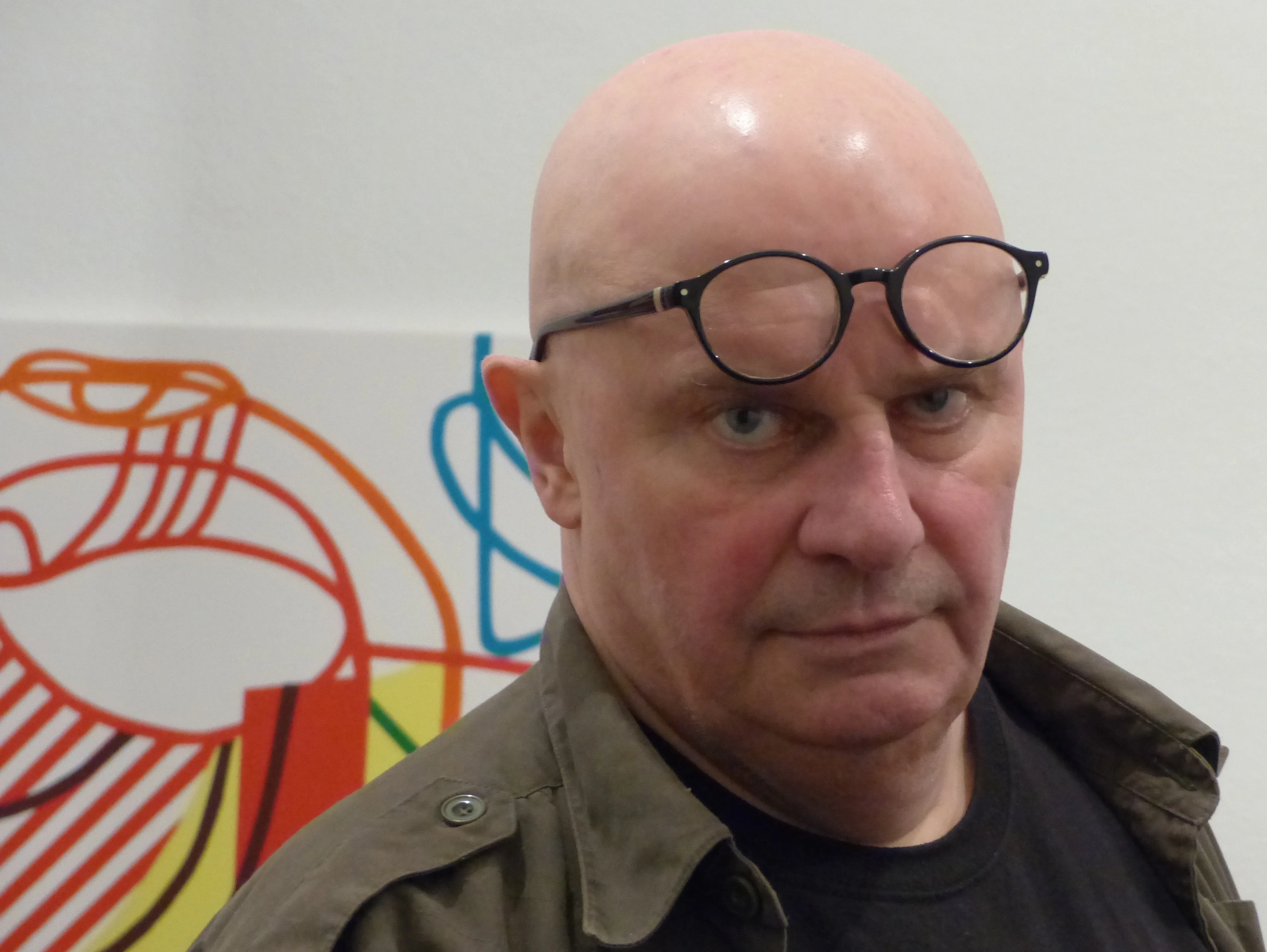
Image from Wikipedia
Image from Wikipedia
Hans Scheuerecker – The Expressive Outsider from Cottbus
An Artist Between Rebellion, Bohemia, and Existential Imagery
Hans Scheuerecker, born on August 7, 1951, in Römhild, is one of the most prominent German artist personalities from the former GDR. He lives in Cottbus, where he has shaped a distinctive, uncompromising artistic language over decades, blending painting, graphics, performance, and sculpture. His biography tells a story of persistence, contradiction, and an artistic evolution that radiated far beyond the provincial boundaries. ([de.wikipedia.org](https://de.wikipedia.org/wiki/Hans_Scheuerecker))
Biography: From Contradiction to His Own Artistic World
Early Years and the Move to Cottbus
After serving in the military, Scheuerecker moved to Cottbus in 1971 and initially worked for two years as an intern in the painting studio of the State Theatre. His application for a painting study program in Dresden was rejected in 1975, as was his candidacy in the Association of Visual Artists of the GDR in 1978. It wasn't until 1979 that he was accepted; since then, he has worked as a freelance artist in Cottbus and has become a significant voice in the East German art scene. ([de.wikipedia.org](https://de.wikipedia.org/wiki/Hans_Scheuerecker))
Neo-Expressionism and the Years of Change in the 1980s
nGbK describes Scheuerecker as one of the most important representatives of a neo-expressive movement that significantly disrupted GDR art in the 1980s. Notably, he transitioned from GDR-specific painting to abstraction and art brut-inspired intensity, to existential strokes and symbols, before color returned to his works later on. This evolution makes his work art historically interesting as it not only marks stylistic shifts but also signifies an atmospheric liberation. ([archiv.ngbk.de](https://archiv.ngbk.de/en/projekte/hans-scheuerecker/))
Action, Stage, and Collaboration with Sandow
In 1984, Scheuerecker began working on action art; in 1989, he collaborated with the rock/punk group Sandow, for whom he designed stage sets, album covers, and other visual elements. This combination of fine art, music, and performance reflects his affinity for subcultural expressions and explains why his name resonated even beyond the traditional art scene. Scheuerecker not only worked on easel paintings but also expanded his oeuvre to include a performative, public, and often provocative gesture. ([de.wikipedia.org](https://de.wikipedia.org/wiki/Hans_Scheuerecker))
Awards, Exhibitions, and Institutional Recognition
In 1992, Scheuerecker became the first artist to receive the Art Prize of the State of Brandenburg. In the same year, he was honored with an exhibition at the nGbK; in 1995, he was a guest in Rio de Janeiro with a scholarship. His work will remain present in 2026 as well: the BLMK in Cottbus plans an exhibition for his 75th birthday featuring works from its collection and from private collections, which will make visible the continuities and developments of his oeuvre over nearly 50 years. ([de.wikipedia.org](https://de.wikipedia.org/wiki/Hans_Scheuerecker))
The Work: Painting, Graphics, Sculpture, and the Power of the Radical
Imagery Between Body, Desire, and Disturbance
Deutschlandfunk Kultur describes Scheuerecker as one of the most important abstract painters from the former GDR, whose works revolve around sex, obsession, and rebellion. His visual world employs nudes, lower bodies, mouths, and fragmented, distorted forms; grotesque proportions and physical exaggeration create a tension that makes his painting feel immediate and restless. In this radicality lies the signature of an artist who does not smoothen form but understands it as a soulful echo. ([deutschlandfunkkultur.de](https://www.deutschlandfunkkultur.de/kuenstler-hans-scheuerecker-die-gier-nach-leben-und-emotion-100.html))
Black Phase, Color, and the Return to the Easel
Between 1982 and 1991, his work featured a black-and-white period that, in retrospect, appears as a condensation of his artistic language. After 1990, he turned his attention back to easel painting, taking his pictorial work to a new level. This range between reduction and expressive intensity makes his artistic development particularly interesting, as it does not follow a linear path but rather thinks in clear aesthetic breaks. ([de.wikipedia.org](https://de.wikipedia.org/wiki/Hans_Scheuerecker))
Sculptural Works and Public Spaces
In 1996, Scheuerecker also began working in sculpture. In 2000, his graphic “Sculpture 2000” made of black steel attracted attention in a central location in Cottbus; simultaneously, he designed the foyer of the Cottbus City Hall with black inlays in gray granite. Here, an expansion of his oeuvre into public space is visible, where material, surface, and form exert as notable an impact as in his paintings. ([de.wikipedia.org](https://de.wikipedia.org/wiki/Hans_Scheuerecker))
Artistic Attitude: Bohemia, Provocation, and Work Ethos
The public persona of Scheuerecker is closely tied to a bohemian attitude that Deutschlandfunk Kultur describes as living in ecstasy. His studio situation since the 1980s, his performances, raucous parties, and the conscious friction with conventions have shaped his image. At the same time, the artist emphasizes an uncompromising work ethic: when it comes to work, everything else is secondary. This very tension between excess and discipline gives his biography the dramatic weight characteristic of great artistic figures. ([deutschlandfunkkultur.de](https://www.deutschlandfunkkultur.de/kuenstler-hans-scheuerecker-die-gier-nach-leben-und-emotion-100.html))
Cultural Influence and Resonance in the Art Scene
Scheuerecker has remained present far beyond Cottbus, as his work enriches East German art history with an unmistakable, body-oriented, and rebellious imagery. The nGbK categorizes him as an important representative of the neo-expressive movement that profoundly transformed GDR art in the 1980s. Later exhibitions and media portraits show that his works possess not only documentary value but are still read as a challenge to viewing habits and norms. ([archiv.ngbk.de](https://archiv.ngbk.de/en/projekte/hans-scheuerecker/))
Current Projects and Recent Presence
In 2026, Scheuerecker will again be the focus of a major exhibition in Cottbus. The BLMK will showcase a selection of significant works from its collection as well as from private collections; the exhibition honors the continuities of his work as well as the breaks and transformations. For an oeuvre like Scheuerecker's, this is more than a retrospective: it is confirmation that his art has entered institutional memory and retains its relevance. ([cottbus.de](https://cottbus.de/cb-events-test/alles-gute-lieber-hans-hans-scheuerecker-zum-geburtstag-werke-aus-der-sammlung-des-blmk-sowie-privatsammlungen-25/))
Conclusion: Why Hans Scheuerecker Continues to Fascinate
Hans Scheuerecker remains captivating because his art does not provide a smooth narrative but translates friction, physicality, and inner unrest into images. His biography connects GDR history, artistic individuality, performative energy, and a body of work that extends beyond painting into graphics, action, and sculpture. Those who experience his works live encounter not only a significant East German artist but also an imagery that continues to resonate powerfully to this day. ([deutschlandfunkkultur.de](https://www.deutschlandfunkkultur.de/kuenstler-hans-scheuerecker-die-gier-nach-leben-und-emotion-100.html))
Official Channels of Hans Scheuerecker:
- Instagram: no official profile found
- Facebook: no official profile found
- YouTube: no official profile found
- Spotify: no official profile found
- TikTok: no official profile found
Sources:
Upcoming Events
All the Best, Dear Hans. Hans Scheuerecker's Birthday. Works from the BLMK Collection and Private Collections
Hans Scheuerecker at BLMK: A strong birthday exhibition full of color, gesture, and art history. Until 23.8.26 in Cottbus. #Art
All the best, dear Hans. Hans Scheuerecker on his birthday
Hans Scheuerecker celebrates his 75th birthday at BLMK Cottbus: an exhibition full of color, energy, and art historical depth. Discover now! #Cottbus #Art
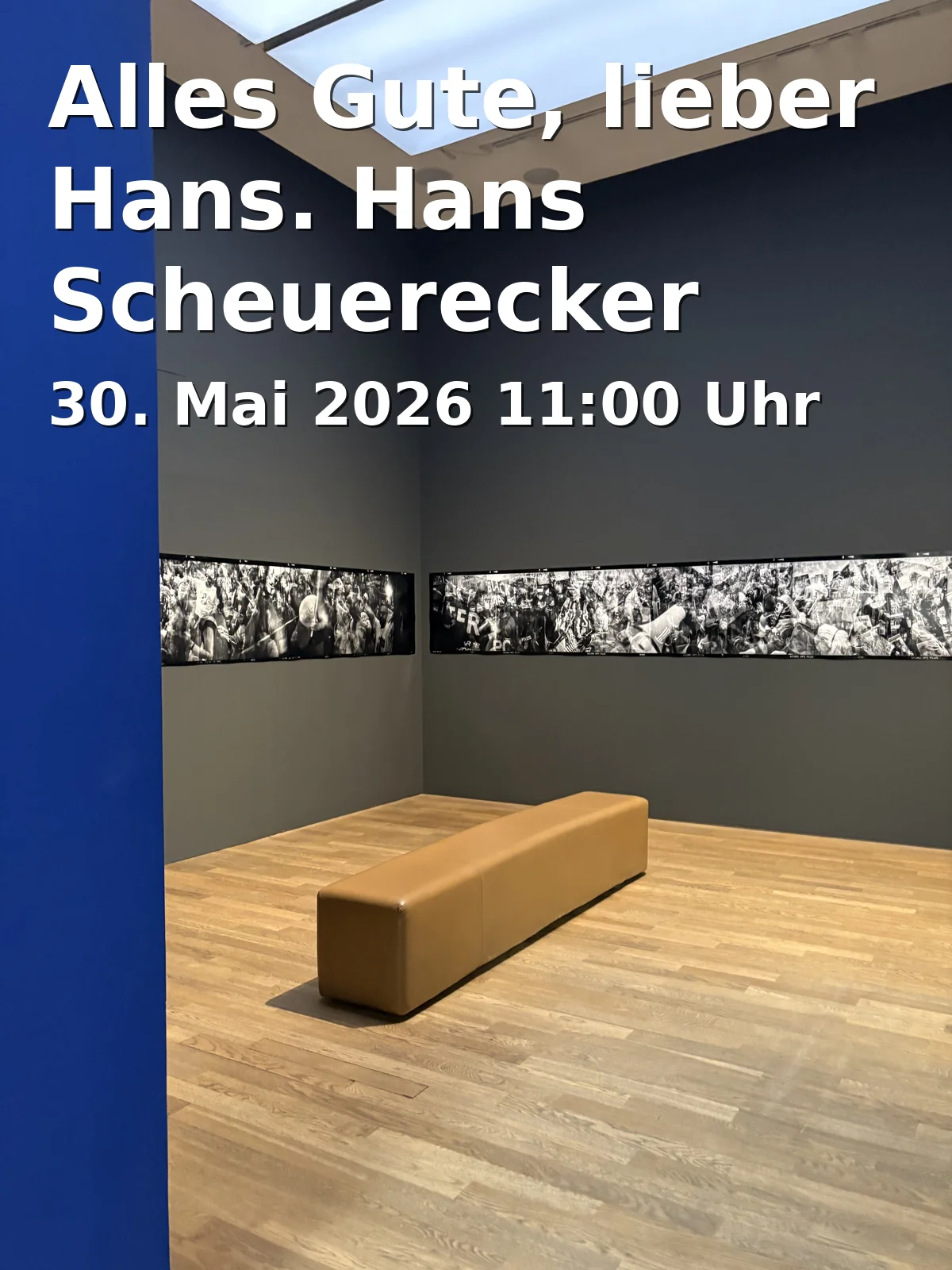
All the best, dear Hans. Hans Scheuerecker's Birthday. Works from the Collection of the BLMK and Private Collections
For Hans Scheuerecker's 75th birthday, the BLMK Cottbus presents a powerful showcase of painting, graphic art, and sculpture. #ArtInCottbus
All the best, dear Hans – Hans Scheuerecker for his birthday
A powerful art experience in Cottbus: Hans Scheuerecker for his 75th birthday at BLMK. Discover collection, loans, and expressive visual worlds. #Art
All the Best, Dear Hans - Hans Scheuerecker
For the 75th birthday of Hans Scheuerecker, BLMK in Cottbus presents a strong exhibition full of painting and art history. Free admission, discover now! #Cottbus #Art
All the best, dear Hans. Hans Scheuerecker for his birthday. Works from the BLMK collection as well as private collections
On the occasion of Hans Scheuerecker's 75th birthday, the BLMK Cottbus presents paintings, graphics, and sculptures full of energy. A strong art experience! #Art
All the best, dear Hans. Hans Scheuerecker's Birthday. Works from the Collection of BLMK and Private Collections
For the 75th birthday, the BLMK shows Hans Scheuerecker's work in great variety: painting, graphics, and sculpture in the Diesel Power Plant Cottbus. #Art
All the best, dear Hans. Hans Scheuerecker's birthday. Works from the collection of the BLMK and private collections
Cottbus celebrates Hans Scheuerecker at BLMK with powerful painting, graphics, and sculpture. May 30 – August 23, 26, €4. Experience live now! #Art
All the best, dear Hans: Hans Scheuerecker at BLMK Cottbus
On the occasion of Hans Scheuerecker's 75th birthday, BLMK Cottbus presents expressive works from collections and private collections. A strong art experience #Art
Happy Birthday, dear Hans: Hans Scheuerecker at BLMK Cottbus
Hans Scheuerecker celebrates his birthday at BLMK Cottbus: paintings, graphics, and sculptures in the Diesel Power Plant. From 30.05.2026. #Cottbus #Art