
Giora Feidman
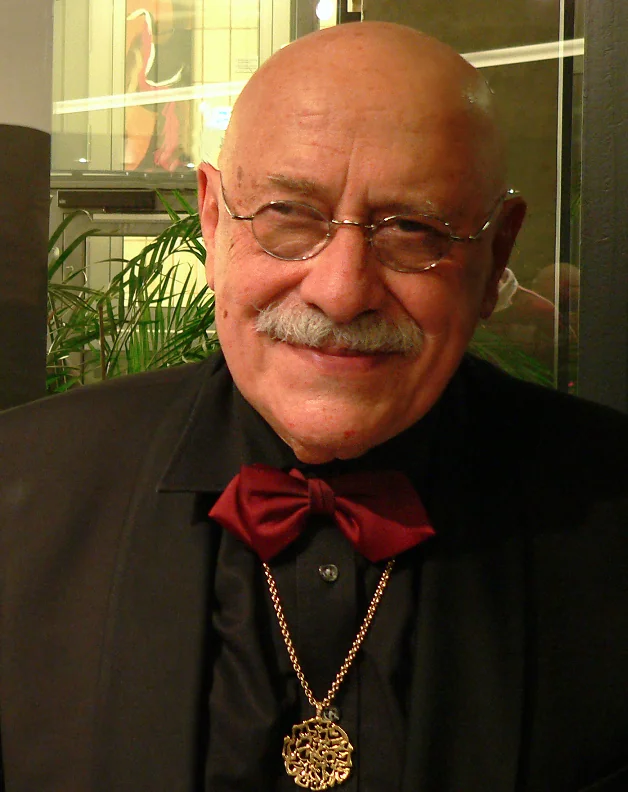
Image from Wikipedia
Image from Wikipedia
Giora Feidman – The “King of Klezmer” and His Singing Clarinet
How Giora Feidman Made the Klezmer Clarinet a Universal Language of Reconciliation
Giora Feidman, born in 1936 in Buenos Aires, is regarded as the most charismatic ambassador of Klezmer music. The Argentine-Israeli clarinetist has brought Jewish folk music into the grand concert halls, giving it a modern, cross-border voice and touching generations of listeners. His musical career combines virtuosity, stage presence, and artistic development into a distinctive signature sound that merges tradition, classical, jazz, and tango into a poetic whole. He is known worldwide as the “King of Klezmer” – an honorific title based on countless concerts, influential recordings, and an unparalleled cultural impact.
Biography: From Buenos Aires to Israel – A Clarinet Finds Its Voice
Feidman comes from a family of Klezmorim; his father, grandfather, and great-grandfather all played as wedding and festival musicians. Early on, he accompanied his father to performances, internalizing repertoire, phrasing, and the sonic idiom of Eastern European Jewish music. After studying in Buenos Aires, he became the clarinetist at the Teatro Colón at just 18 years old – an exceptional starting point that documents his technical maturity and musical discipline. In 1956, he emigrated to Israel and became the youngest member of the Israel Philharmonic Orchestra, to which he belonged for nearly two decades. This classical training shaped his intonation, breath control, and sound culture – foundational elements of his later Klezmer aesthetic.
Career Path: From Orchestra Stand to Soloist
In the early 1970s, Feidman opened the chapter as a soloist. He has performed with renowned ensembles and orchestras including the Berliner Symphoniker, Kronos Quartet, Polish Chamber Philharmonic, Münchner Rundfunkorchester, and Münchener Kammerorchester. In 1974, Misha Segal composed a clarinet concerto for Feidman – a testament to the artistic authority of the already celebrated virtuoso at the time. The breakthrough with the broader public came when his clarinet contributed pivotal solos in Steven Spielberg’s “Schindler’s List.” The sound of these solos – plaintive, human, comforting – became a symbol of music that makes history memorable and empathy audible.
Discography and Milestones: From “The Incredible Clarinet” to “Revolution of Love”
Feidman’s discography documents a continuous, detail-oriented work on sound, repertoire, and production. Early albums such as “The Incredible Clarinet,” “Viva el Klezmer,” and “The Magic of the Klezmer” mark the reclamation of the Klezmer repertoire for the international concert stage. Later recordings expand the stylistic landscape: tango adaptations (“Clarinetango”), chamber music projects, and crossover programs showcase him as a boundary-crosser between genres. His contribution to the music of “Schindler’s List” grants the clarinet an iconic role in the collective memory. Newer projects like “Friendship” and “Revolution of Love” encapsulate his humanistic artistic ethos – music as a bridge and an invitation to dialogue, compassion, and hope.
Style and Sound Language: Breath, Melody, Storytelling
Feidman’s playing aesthetic unites the expressive ornamentation of Klezmer tradition with the precision of classical sound formation. Characteristic are his deeply sung tone, flexible agogics, finely shaded dynamics, and the art of “Krekhts” – that sonic gesture that colors a line like a sigh. In composition and arrangement, he seeks narrative arcs: themes are introduced like characters, varied, and placed in dialogue. Productions and live interpretations reveal him as a creator who combines awareness of form with improvisational freedom. As a result, his concerts feel like narratives in tones – with dramatic pauses, tension building, and cathartic culminations.
Collaborations and Ensembles: From Chamber Music to Crossover
His network ranges from classical orchestras to chamber ensembles and world music groups. Guest performances with the Kronos Quartet or collaborations with ensembles like Gitanes Blondes, Rastrelli Cello Quartet, or various Klezmer formations illustrate his openness to new sound colors. These collaborations expand the arrangements – sometimes through cello-like legatos, sometimes through accented accordion tones or tango grooves – allowing the clarinet to soar as the lead voice over a colorful texture. Feidman’s stage presence forms the center: his facial expressions, gestures, and direct engagement with the audience amplify the effect of his melodic lines.
Cultural Influence, Awards, and Recognitions
Giora Feidman has received numerous awards for his contributions. He won the ECHO Klassik twice (1997, 2003) in the category “Classical without Borders.” In 2001, the then President of the Bundestag honored him with the Grand Federal Cross of Merit as an “Ambassador of Reconciliation.” These honors reflect the authority of his life's work: Feidman has integratively brought Klezmer into international concert life and shaped a globally understandable idiom of humanity from a diasporic musical language. His engagement extends beyond the stage – for example, with masterclasses and seminars that introduce the next generation to the expressive power of the clarinet.
Teaching Experience and Young Talent Promotion: “Clarinet and Klezmer in the Galilee”
Through seminars and masterclasses in Israel and Europe, Feidman conveys technique, stylistics, and musical attitude. He views “Klezmer” not as a museum tradition, but as a living practice: breath as the narrative motor, tone as language, improvisation as empathy. This pedagogical work showcases his expertise in repertoire knowledge, phrasing, ensemble work, and performance psychology – contributing to the fact that the discography of young clarinetists today naturally includes Klezmer alongside classical and jazz.
Current Projects 2025–2026: “Revolution of Love” and “For a Better World”
Even beyond the age of 80, Feidman demonstrates impressive artistic energy. Under the tour motto “Revolution of Love,” he leads his audience through a program rich in drama, featuring traditional Klezmer, tango masterpieces, and newer compositions. In collaboration with Iranian composer Majid Montazer, he is creating the new production “For a Better World” – an aesthetic statement for peace, dialogue, and humanity. The tour for the new album starts in early 2026; the recordings will be accompanied by selected pre-releases. These projects showcase Feidman’s ability to combine artistic vision, curatorial ambition, and social relevance.
Reception and Music Press: Between Concert Hall and Cultural Commentary
The music press recognizes Feidman’s discography and stage works as bridging genres and generations. Program titles like “Friendship,” “Revolution of Love,” or “For a Better World” are not mere labels, but aesthetic leitmotifs that he consistently implements in production and arrangement. Critiques highlight the crystal-clear articulation, emotional crescendos, and the unmistakable, “sung” tone. Chart and sales data of his releases, editions, and reissues evidence the ongoing demand – from early classics to contemporary concept albums.
Historical Context of Music: Klezmer Renaissance as a Global Narrative
Since the 1980s, Klezmer has experienced a global renaissance. Feidman has become one of its key protagonists because he does not conservatively archive the tradition but composes, arranges, and interprets it for the present. He translates idiomatic embellishments into the sound language of classical music, uses jazz phrasing for spontaneous dialogues, and integrates tango rhythms as a lively undertone. This hybridity makes his discography accessible: Klezmer becomes a musical culture of remembrance – and at the same time, an open form that speaks to modern listening habits.
Sound Aesthetics and Production: Studio, Stage, Dramaturgy
Feidman’s productions are characterized by transparent sound images: the clarinet is front and center, yet the ensemble remains breathing and present. In the arrangement, ostinato accompaniment patterns, syncopated tango figures, and chorale string textures are weighted in such a way that the melody tells a story. Live, he generates intensity through pauses, rubato-sharpened transitions, and the shift between delicate lyricism and captivating dance energy. This sound-dramaturgical signature significantly contributes to the immediate recognizability of his playing – whether in a chamber music setting, in an orchestra, or in film music contexts.
Voices of the Fans
The reactions from fans clearly show: Giora Feidman captivates people worldwide. On Instagram, one listener raves: “This clarinet sounds like it’s breathing stories.” On YouTube, it is said: “Every note is a prayer – one of the most touching musicians of our time.” And on Facebook, a concertgoer writes: “After ‘Revolution of Love,’ I had tears in my eyes – music that connects.”
Conclusion: Why Giora Feidman is More Relevant Today than Ever
Giora Feidman is more than a great clarinetist: He is a storyteller in tones, a bridge-builder between cultures, and an exceptional artist who understands music as a humanistic practice. His musical career, discography, and artistic development show an authority founded on experience, expertise, and credibility. Those who experience his concerts feel the power of a sound that comforts, stirs, and brings hope. Recommendation: Experience Giora Feidman live – the singing clarinet tells stories that linger.
Official Channels of Giora Feidman:
- Instagram: https://www.instagram.com/giorafeidman_thekingofklezmer/
- Facebook: https://www.facebook.com/giorafeidmanofficial/
- YouTube: https://www.youtube.com/channel/UC_cepMdv83sM2eETFtt2P0g
- Spotify: https://open.spotify.com/artist/6YJnewrSxxoK4QIRgHp9oz
- TikTok: No official profile found
Sources:
- Giora Feidman – Official Website
- MACC Management – Revolution of Love (Tour Info)
- Universum e.V. – Concert Announcement “Revolution of Love” (Postponement)
- nh24 – Concert “Revolution of Love” Postponed (15.02.2025)
- Hamburg Tourism – “For a Better World” (Tour Start 2026)
- jpc – Giora Feidman: “For a Better World” (CD, 2025)
- BuschFunk Shop – “For a Better World” (MACC Records)
- Wikipedia (DE) – Giora Feidman (Biography, Discography, Awards)
- Wikipedia (EN) – Schindler’s List (Music, Clarinet Solos)
- Wikipedia (DE) – Schindler’s List (Soundtrack)
Upcoming Events
Giora Feidman - For a Better World
Giora Feidman - For a Better World
Giora Feidman - For a Better World
Giora Feidman - For a Better World
Giora Feidman - For a Better World Musical Peace Manifesto
Giora Feidman – For a Better World – Giora Feidman Duo
Giora Feidman - For a Better World in Bielefeld
Giora Feidman - For a Better World in Bad Kissingen
Giora Feidman Duo - For a Better World