
Elvis Presley
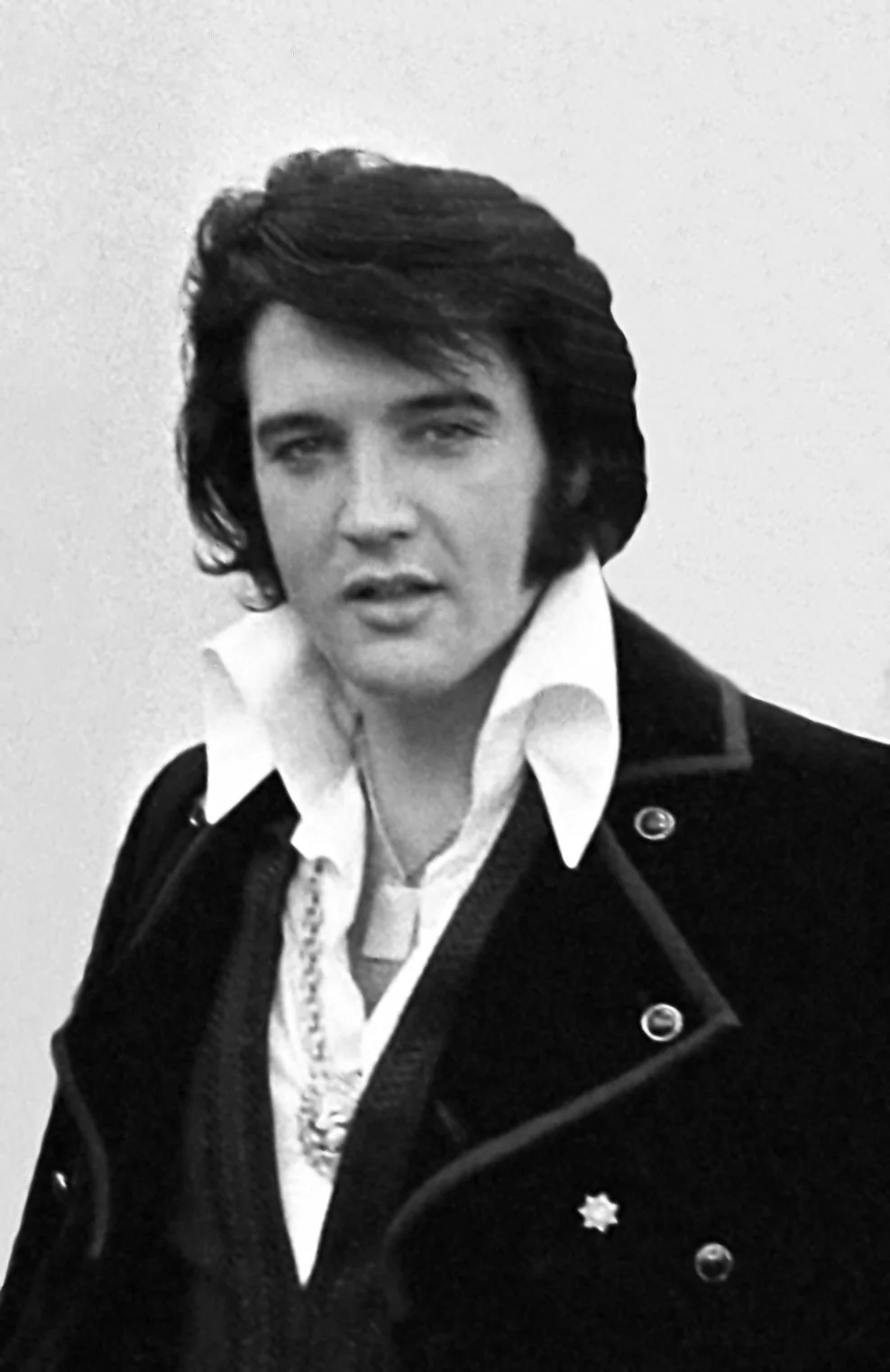
Image from Wikipedia
Image from Wikipedia
Elvis Presley – The “King of Rock ’n’ Roll” Between Myth, Music History, and the Present
The Fascination of Elvis: Why the “King” Unites Generations
Elvis Aaron Presley fundamentally changed pop culture. Coming from humble beginnings, he fused Country, Rhythm & Blues, Gospel, and Pop into an electrifying sound that redefined young America in the 1950s. His stage presence, a three-octave voice, and unmistakable hip movements propelled rock ’n’ roll into the mainstream – making Elvis an icon whose artistic development still resonates today. Between early Sun Records recordings, the Hollywood era, the 1968 Comeback Special, and the grand Las Vegas shows, his unparalleled career shaped critics, charts, and culture alike.
The artistic journey of the “King” was a constant quest for the perfect take, the best band, the strongest arrangement. Whether as a rockabilly revolutionary, ballad interpreter, gospel singer, or live phenomenon: Elvis represented musical risk-taking, precise studio production, and charismatic performance. His discography is an archive of American music history – and at the same time, a vibrant catalog that is regularly re-curated, most recently through high-quality archival projects, remixes, and film portraits.
Biographical Beginnings: From Tupelo to Memphis – The Birth of a Legend
Born on January 8, 1935, in Tupelo, Mississippi, Presley grew up in an environment of limited resources and significant musical influences. He was introduced to church gospel harmonies at an early age, listened to country music on the radio, and absorbed the Rhythm & Blues of Beale Street. The move to Memphis opened doors: In 1954, Elvis recorded his first singles at Sun Records – raw, swinging rockabilly with percussive guitars and offbeat accents that were radical at the time. During this phase, he melded the musical traditions of the South into a style that broke down barriers and racial divides in the listening experience.
The switch to RCA brought breakthrough success in 1956. With hits like Heartbreak Hotel, Hound Dog, and Don’t Be Cruel, Presley conquered the pop, R&B, and country charts – a historically significant moment for both market and culture. Television appearances, particularly on The Ed Sullivan Show, made his stage energy visible. Contemporary debates about his movements, attitudes, and the "danger" of rock ’n’ roll only affirmed how much he shifted the cultural landscape.
Film Years and Studio Work: Between Cinematic Glamour and Musical Signature
From the late 1950s onward, Elvis shifted a large part of his work to cinema. 31 feature films over thirteen years shaped a star image that worked internationally. Musically, this represented a phase where soundtracks and singles coexisted: catchy, light numbers met balladic pop pieces and deeply relaxed country-soul. In the RCA studios in Nashville and Memphis, Presley perfected the vocal focus with producers and arrangers: his phrasing-secure, dynamic voice remained the guiding motif – whether with a minimalist combo or orchestral accompaniment.
Even though critics sometimes categorized the film period as "too pleasing," it opened new markets and refined Presley’s studio craft. Songs like It’s Now or Never and Are You Lonesome Tonight? showcase his ability to translate Italian canzone melody, crooner tradition, and pop dramaturgy into a timeless arrangement. This range explains why Elvis’ discography remains anchored in multiple genres.
The Comeback and Live Renaissance: 1968 to 1973
The NBC “Comeback Special” of 1968 marked an artistic turning point: black leather minimal aesthetics, tight band play, concentrated intensity. In 1969, From Elvis in Memphis followed – an album that combined soul, country, and Americana with modern studio production and paved the way for classics like Suspicious Minds. His return to the stage culminated in Las Vegas: with the TCB Band, gospel backing, and orchestra, Presley built a live format that united dynamics, spectacle, and musical precision. Aloha from Hawaii via Satellite made television history in 1973, while Elvis represented a new modernity in concert operations – opulent yet intimate in the storytelling of his interpretations.
His stage presence set standards: spontaneous medleys, dramaturgical tension arcs, and the blend of rock attack with balladic intimacy. This live approach, supported by rigorous band craftsmanship, makes Elvis a pioneer of today's arena presentations, without sacrificing musical substance.
Voice, Style, and Production Aesthetics: Why Elvis Sounds Timeless
From a music journalist's perspective, Presley impresses with his control of timbre, register shifts, and phrasing. He could build tension with minimal vibrato, create pressure in belt passages, and establish intimacy in the piano range. Arrangements reflect this flexibility: reduced combo grooves (rockabilly), gospel choir layers, string arrangements in pop ballad format. Production remained crucial: the balance between ambient sound, close miking, and choir/orchestra fusion shows expert craftsmanship – clearly audible on studio milestones of the 1960s and 70s.
Stylistically, Elvis connected African American roots (blues, gospel, R&B) with white country tradition. This crossover formed not only the core of rock ’n’ roll but also defined American pop as a "melting pot." In pop historiography, he acts as a “translator” between scenes and scene languages – a reason why his discography remains canonized in rock, country, gospel, and pop contexts.
Successes, Awards, and Chart Records: Facts with Long-Lasting Impact
Elvis’ track record illustrates cultural authority. His US certifications and records are regularly documented by associations and industry press. Numerous gold, platinum, and multi-platinum awards, as well as recurring catalog successes, attest to the lasting impact of his recordings. Several of his albums and singles shaped genre lists and yearly charts for decades. The fact that his work continues to appear in curation and remaster projects today is not a nostalgia effect – it demonstrates how strongly these recordings perform in streaming and catalog businesses.
For music lovers, these figures mean more than just statistics: they confirm the enduring relevance of composition, interpretation, and production – and the ability to convey emotions across generations. Especially in comparison with later pop eras, it remains astonishing how organically Elvis’ original recordings fit into contemporary playlists and film scores.
Compact Discography: Albums, Singles, Signature Moments
Presley's discography is extensive, yet certain focal points structure the canon: the early Sun singles with their raw energy; the first RCA albums and EPs that shaped rock ’n’ roll for the mass audience; the Comeback Special and From Elvis in Memphis as artistic rebirths; the major live albums of the Vegas era. Signature songs – from That’s All Right, Heartbreak Hotel, and Hound Dog to It’s Now or Never, In the Ghetto, and Suspicious Minds to Moody Blue – mark stylistic diversity and interpretative depth. These milestones tell the stories of compositions that gained their iconic status through Elvis’ vocal guiding, timing, and microphone work.
A second look is worthwhile on his gospel work: Elvis owes several awards to his sacred recordings, where the dynamic range of his voice, the call-and-response principle of the arrangements, and the emotional directness shine particularly bright. Here, too, he acts as a bridge-builder between tradition and pop modernity.
Current Projects and Re-Issues: The Catalog Lives On
Even decades after his death, Elvis' oeuvre remains active. Extensive archival releases present studio sessions, live takes, and newly mixed masters in high sound quality. A much-discussed box set recently highlighted the studio and rehearsal years in Los Angeles in the early 1970s and reclassified the late recordings in their full stylistic range. At the same time, curated playlists and anniversary editions invigorate catalog usage – focusing on remastering, overdub reduction, and detailed documentation of production.
Film-wise, a new concert cinematic experience has recently emerged: derived from previously unreleased material, it brings Elvis’ live charisma and his own narrative voice into an immersive format for the big screen. An official soundtrack with updated live mixes and curated medleys accompanies the release – a contemporary invitation to experience the stage artistry of the “King” once again in concentrated form.
Cultural Influence: Between Music History, Fashion, and Media
Elvis' significance extends beyond music styles. His stage clothing, the iconic jumpsuits, the media presence in film and television, and the portrayal of masculinity between gentleness and strength – all shaped pop aesthetics. Countless artists reference him, whether in vocal expression, show dramaturgy, or in the way genres are mixed. Museums, exhibitions, and Graceland as a pilgrimage site reinforce this influence. For cultural criticism, he remains the benchmark for how pop works globally: as an emotional code, a collective memory, and an ongoing interpretable narrative.
Voices of Fans
The reactions of fans clearly show: Elvis excites people worldwide. On Facebook, a visitor writes after a tour of Graceland: “One of the most moving places of my life – the music comes alive here.” Another comment praises the live era: “The Aloha-from-Hawaii performance still gives me chills.” On YouTube, a classic is described: “This voice gets under your skin – timeless.” Such feedback demonstrates how immediately Presley’s interpretations still resonate in 2026.
Conclusion: Why Listen to – and Experience – Elvis Presley Today?
Elvis Presley remains compelling because his recordings are both historically impactful and sonically present. His artistic development – from rockabilly rebel to mature live entertainer – narrates the evolution of popular music. Those who discover the depth of his discography find finely chiseled production, outstanding vocal dramaturgy, and a repertoire that sounds anything but museum-like. The appeal: listen to albums and live recordings in good quality, experience the great eras in context – and, if possible, see the productions and documentaries on the big screen. This way, the “King” unfolds as what he has always been: an artist who transforms emotions into sound and moves culture.
Official Channels of Elvis Presley:
- Instagram: No official profile found
- Facebook: https://www.facebook.com/elvis
- YouTube: https://Elvis.lnk.to/subscribeYD
- Spotify: No official profile found
- TikTok: No official profile found
Sources:
- Wikipedia – Elvis Presley
- Recording Industry Association of America – RIAA Press Release on Certifications
- Guinness World Records – Best-selling Solo Artist (US)
- Variety – EPiC: Elvis Presley in Concert (Acquisition/Release)
- Sony Music – IMAX Engagement & Theatrical Release of EPiC
- Elvis Official Site – EPiC Soundtrack Announcement
- Elvis Official Site – Elvis YouTube Channel Reaches 3 Million Subscribers
- Elvis Information Network – New Catalog and Box Set Info
- Facebook – Official Elvis Page (Example Post, Graceland)
- Decider – Return of the King: The Fall and Rise of Elvis Presley (Review)
- Wikipedia: Image and Text Source
Upcoming Events
EPiC: Elvis Presley in Concert (engl.) – Kinopolis Landshut
EPiC brings Elvis’ live magic back to the screen at Kinopolis Landshut. 26.02.2026, 22:15, 97 minutes. Big feelings, big sound, big cinema – secure your place. #ElvisLivesOn
ELVIS - The Musical
The King lives on stage: ELVIS – The Musical at the German Theater Munich. Live band, Grahame Patrick, big hits. March 31, 2026, 19:30, from €29. Experience, get excited, book. #ElvisMusical
EPiC: Elvis Presley in Concert
An evening full of Rock’n’Roll and cinema magic at filmforum Duisburg: EPiC brings Elvis up close. 09.04.2026, 8.90 euros. Discover now! #Elvis #Duisburg
EPiC: Elvis Presley in Concert
Elvis at filmforum Duisburg: EPiC brings the King to the screen in great visual language. 11.04.2026, 6:00 PM, €9.90. #Elvis
EPiC: Elvis Presley in Concert
An evening for Elvis fans and cinema lovers: EPiC brings the King with great big screen magic to Duisburg. #Elvis #Duisburg #filmforum
EPiC: Elvis Presley in Concert in Duisburg
Experience Elvis anew at filmforum Duisburg: EPiC combines cinema, concert, and legend for an evening full of goosebumps. 13.04.2026, from 7 Euros. #Elvis
ELVIS - The Musical
Come to Kassel and experience ELVIS - The Musical with all its hits and the fascinating story of the King of Rock 'n' Roll.
EPiC: Elvis Presley in Concert - OmU (English with German subtitles)
Elvis on the big screen: EPiC in Gelsenkirchen combines the glamour of Las Vegas, archival material, and strong sound for a special cinema evening. #Elvis #Gelsenkirchen
EPiC: Elvis Presley in Concert at the Music Film Days Oberaudorf
Elvis under the open sky: In Oberaudorf, great music cinema meets summer magic. On 10.07.2026 at 9:30 PM in the Kurpark. #Elvis #Oberaudorf