
Dizzy Krisch
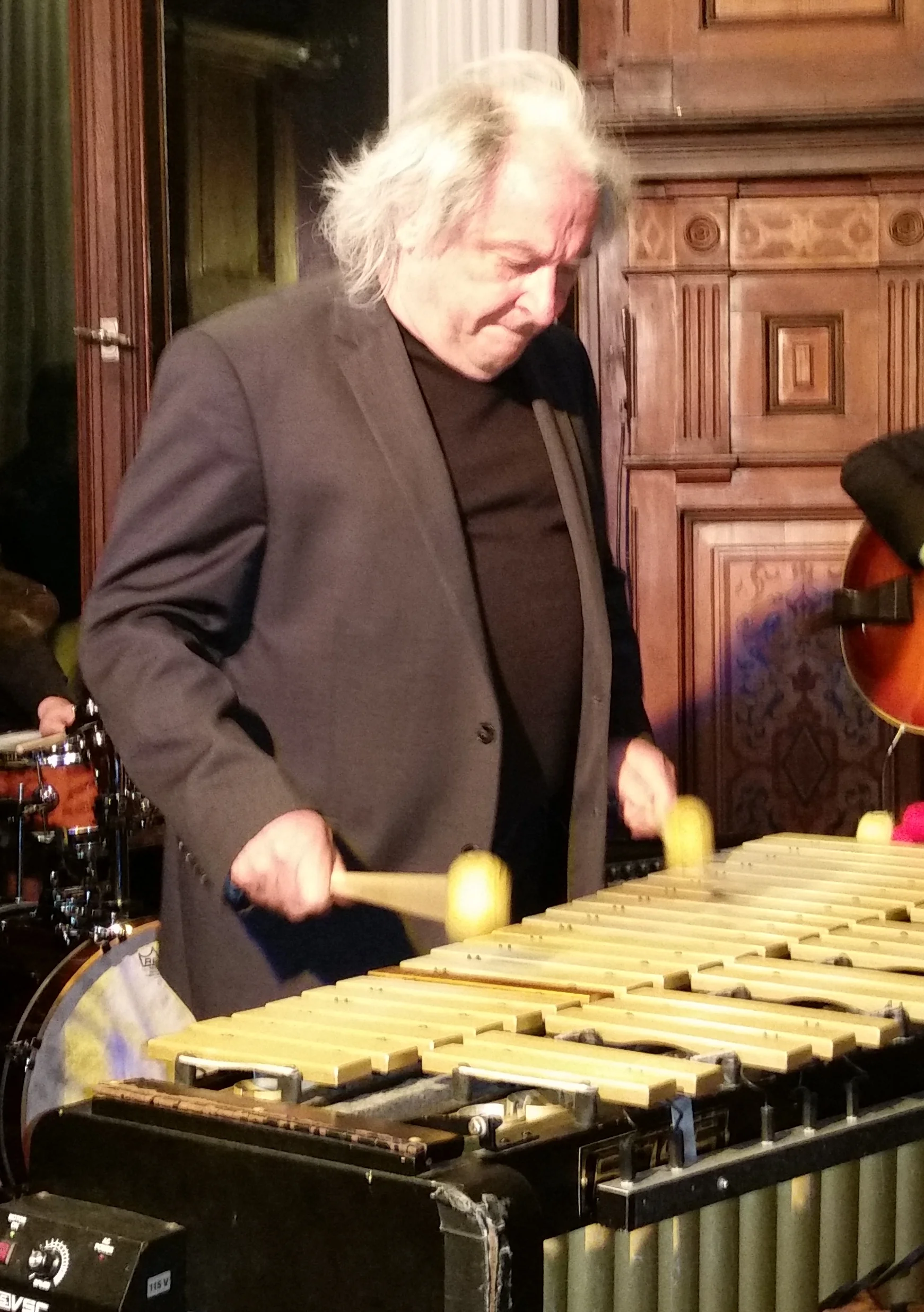
Image from Wikipedia
Image from Wikipedia
Dizzy Krisch – the Great Sound Architect of German Jazz
A vibraphonist, composer, and improviser with a distinctive style
Dizzy Krisch, born Martin Krisch on February 23, 1954, in Schramberg, is one of the most prominent German jazz musicians of his generation. As a vibraphonist, pianist, composer, and arranger, he embodies a musical career that began early and to this day is characterized by stylistic breadth, playful curiosity, and exceptional stage presence. His artistic development connects classical jazz tradition with experimental improvisation and a deep love for sound. ([de.wikipedia.org](https://de.wikipedia.org/wiki/Dizzy_Krisch?utm_source=openai))
Early Years: A Prodigy from the Black Forest
Krisch grew up as the youngest offspring of an artist and musician family in Schramberg in the Black Forest. He started his career in the 1960s with the Krisch Junior Quartet, which drew attention as "the youngest jazz band in the world," providing him with early international recognition. A recent concert review even describes him as a child prodigy who was already performing on stages at the age of nine and celebrated his 60th stage anniversary in 2023. This early grounding on stage continues to shape his confidence and charming style of entertainment today. ([theater-lindenhof.de](https://www.theater-lindenhof.de/?team=dizzy-krisch&utm_source=openai))
The Path to Becoming a Recognized Jazz Musician
From his early stage debut, a long and diverse career in jazz developed. Since 1982, Dizzy Krisch has lived in Tübingen, where he is also deeply culturally rooted. He was the chairman of the Tübingen Jazz Club e. V. for 28 years and a co-initiator of the Tübingen Jazz and Classical Days, which illustrates his role extending far beyond mere performance: Krisch is a shaper of the regional jazz landscape. At the same time, he has taught piano at SMS Waldenbuch and vibraphone at the University of Music and Performing Arts in Stuttgart since 2015. ([theater-lindenhof.de](https://www.theater-lindenhof.de/?team=dizzy-krisch&utm_source=openai))
Ensembles, Projects, and Musical Networking
Dizzy Krisch is regarded as the initiator of many of his own ensembles and projects. In 1985, he founded the fusion group Wide Open, followed by his Vibraphone Quartet in 1993, the contemporary improvisation duo Echoes in 1997, and a piano trio the following year, where he played the piano himself. These stages demonstrate an artistic development that is not confined to a single genre but intertwines jazz, fusion, improvisation, and chamber music forms. ([de.wikipedia.org](https://de.wikipedia.org/wiki/Dizzy_Krisch?utm_source=openai))
His musical partners include many well-known names from the jazz scene, such as Albert Nicholas, Carlos Benavent, Emil Mangelsdorff, Max Greger, Randy Brecker, Ed Thigpen, Charles McPherson, Tony Lakatos, Paul Kuhn, Bill Elgart, Lauren Newton, Hugo Strasser, and Charly Antolini. This collaboration highlights his authority as a sideman and guest soloist as well as his openness to musical dialogues across generations and styles. Krisch confidently navigates between classical jazz, experimental sound language, and the engagement with Baroque and classical music. ([theater-lindenhof.de](https://www.theater-lindenhof.de/?team=dizzy-krisch&utm_source=openai))
Discography and Documented Recording History
The available sources indicate an extensive discography: Krisch has participated in over 30 CDs and LPs. In the public presentation by Theater Lindenhof, he is described as a composer, arranger, sought-after sideman, and guest soloist, underscoring the breadth of his artistic work. Although the available web results do not include a complete list of works, the number of releases clearly shows that his discography holds considerable weight within German jazz. ([theater-lindenhof.de](https://www.theater-lindenhof.de/?team=dizzy-krisch&utm_source=openai))
Current Projects and Vibrant Stage Presence
Even in 2026, Dizzy Krisch remains active and present. For January 2026, the program “The Sound of the River” is announced as part of the Filharmonie Filderstadt, a musical journey in the rhythm of Hölderlin featuring compositions by Krisch. In April 2026, he performed with the program “Vibraphone Diaries,” where he musically recalls the great vibraphonists of jazz – from Lionel Hampton to Milt Jackson to Bobby Hutcherson. These projects demonstrate a musician who continually redefines his role as an interpreter, composer, and storyteller. ([filharmonie-filderstadt.de](https://www.filharmonie-filderstadt.de/kultur/kultur-veranstaltungen/detail/der-klang-des-flusses.html?utm_source=openai))
Style, Sound, and Musical Development
Krisch's style is described in the available sources as exceptionally versatile, technically brilliant, and masterfully improvisational. The vibraphone particularly benefits from his melodic, energetic, and yet controlled playing style, which combines jazz tradition with an openness to free forms. An event report highlights that his joy in playing and his qualities as an entertainer continually captivate the audience. Thus, Krisch represents a kind of jazz that is not only intellectually demanding but also remains immediately accessible. ([zvw.de](https://www.zvw.de/mein-wochenblatt/dizzy-krisch-vibraphone-diaries_arid-1077314?utm_source=openai))
In programmatic contexts such as “Vibraphone Diaries” or “The Sound of the River,” it becomes clear how much Krisch thinks of composition, arrangement, and improvisation as interconnected forms of expression. The vibraphone does not appear to him merely as a solo instrument but as a color-giving center of a chamber music mindset. This is precisely where his special strength lies: he links the historical depth of jazz with a lively contemporary language. ([zvw.de](https://www.zvw.de/mein-wochenblatt/dizzy-krisch-vibraphone-diaries_arid-1077314?utm_source=openai))
Cultural Influence and Recognition
Krisch's cultural influence extends beyond concerts and albums. As a long-time chairperson of a jazz club, organizer of concert series, and university lecturer, he has sustainably shaped the jazz culture in southern Germany. Recognition in regional press and cultural institutions shows that he is seen as a musician with high authority. At the same time, his lifelong commitment makes him a figure who understands jazz as an art form, education, and community at once. ([theater-lindenhof.de](https://www.theater-lindenhof.de/?team=dizzy-krisch&utm_source=openai))
The response to his performances also speaks to his relevance: From standing ovations in Schramberg to praise for his stylistic diversity, the voices in the media are varied. That he is described as a "master at his instrument" is no coincidence but a sign of an exceptionally enduring music career. Krisch has not established himself as a short-term phenomenon but as a lasting, formative voice of German jazz. ([schramberg.de](https://www.schramberg.de/de/aktuelles/veranstaltungen/termine/93.-Hammond-Jazz-Night-Dizzy-s-Vibes.php?utm_source=openai))
Conclusion: Why Dizzy Krisch Remains Exciting
Dizzy Krisch combines early virtuosity, artistic curiosity, and an impressive stage biography into a profile that is rare in German jazz. His playing on the vibraphone possesses depth of sound, rhythmic precision, and emotional openness, while his work as a composer and educator rounds out his overall image. For those who love jazz, here is a musician who does not preserve tradition but translates it into living present. A concert by Dizzy Krisch is always worthwhile – because here experience, improvisation, and musical personality come together in rare clarity. ([theater-lindenhof.de](https://www.theater-lindenhof.de/?team=dizzy-krisch&utm_source=openai))
Official Channels of Dizzy Krisch:
- Instagram: No official profile found
- Facebook: No official profile found
- YouTube: No official profile found
- Spotify: No official profile found
- TikTok: No official profile found
Sources:
- Wikipedia – Dizzy Krisch
- Theater Lindenhof – Dizzy Krisch
- Zeitungsverlag Waiblingen – Dizzy Krisch: Vibraphone Diaries
- Filharmonie Filderstadt – The Sound of the River
- Sudhaus Tübingen – Dizzy Krisch
- Reutlinger General-Anzeiger – Jazz with Subtitles at Tübingen Club Voltaire
- City of Schramberg – 93rd Hammond Jazz Night: Dizzy’s Vibes