
Alissa Jung
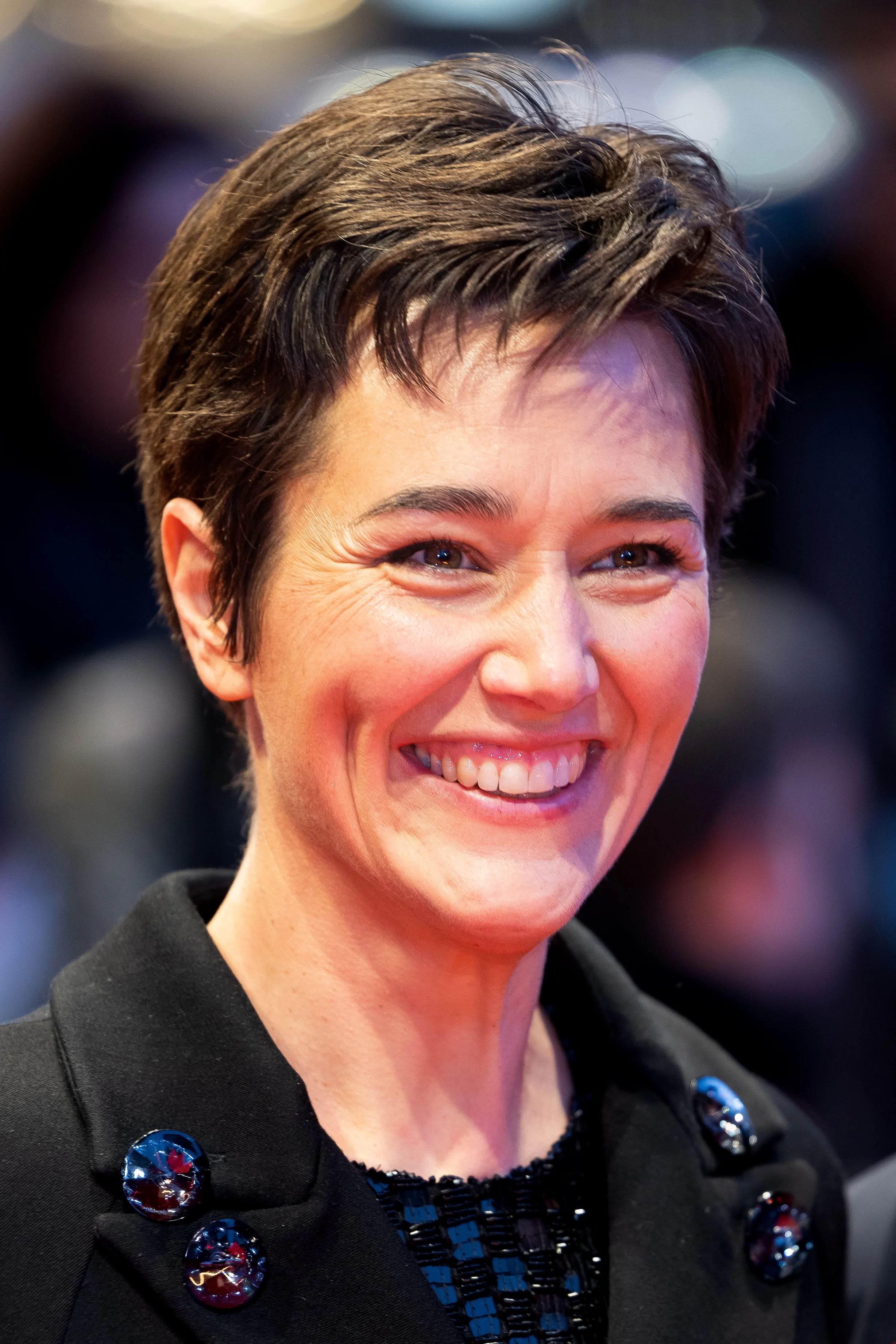
Image from Wikipedia
Image from Wikipedia
Alissa Jung: The German storyteller bridging acting, directing, and literary precision
An artist who transforms biography into attitude
Alissa Jung, born on June 30, 1981, in Münster, is one of the rare personalities in the German cultural scene who does not perceive acting, writing, and directing as separate disciplines, but as interconnected forms of storytelling. Her journey began early in theater and radio plays, leading to a successful career as an actress and culminating in independent work as a writer and director that is now recognized internationally. Her artistic development blends emotional accuracy, social sensitivity, and a distinct signature in handling characters and conflicts. ([alissajung.de](https://alissajung.de/en/))
Early years: From theater to the screen
The foundation of her career lies in a classical yet remarkably versatile socialization in the performing arts. Even as a child, Alissa Jung gained experience with radio plays and theater; at the age of 16, she was discovered during a theater performance for film and then pursued her career professionally. This early discovery was not just a biography note, but the starting point for a career continuously shaped by curiosity about characters, language, and inner movements. ([alissajung.de](https://alissajung.de/en/))
Her name became known to a wider audience, especially in the 2000s, when she established herself as a prominent, credible actress in television productions and film projects. The official website mentions, among others, Butterflies in the Stomach, Stolberg, Tatort, Greek Kisses, Open my eyes, and Two-Seater Rocket as milestones in her acting career. This very mix of television presence, film roles, and distinct characters gives her work a range between popular culture and sophisticated character portrayal. ([alissajung.de](https://alissajung.de/en/))
The acting career: Presence, versatility, and credibility
As an actress, Alissa Jung has participated for years in productions of German television and cinema, developing a stage and camera presence that relies not on effects, but on inner consistency. The official site lists roles in formats from ZDF, ARD, and SAT.1 as well as in cinema, including works that have screened at festivals. This constellation showcases an artist who feels at home in different production systems and carries her roles with a calm, precise charisma. ([alissajung.de](https://alissajung.de/en/))
Interestingly, her acting career has never led to a one-sided definition. Instead, storytelling has remained an open field for her, where representation, observation, and authorship mutually nourish each other. Especially with female artists working across multiple crafts, this often results in a particular accuracy in observing character architecture, dialogue rhythm, and emotional economy. In Alissa Jung, this connection is clearly recognizable. ([alissajung.de](https://alissajung.de/en/))
The detour that became her strength: Medicine, withdrawal, and new beginnings
In 2015, Alissa Jung took a break from the film world to complete her medical studies and worked as a doctor in a Berlin clinic for three years. This phase appears as a rupture from a biographical perspective, but in truth is an expansion of her viewpoint: medical practice entails a closeness to responsibility, vulnerability, and existential situations. Such experiences shape an artistic attitude that does not reduce people to surface appearances but takes their ambiguities seriously. ([de.wikipedia.org](https://de.wikipedia.org/wiki/Alissa_Jung?utm_source=openai))
After this phase, she returned to the film world in 2020 and additionally completed training at the Munich Script Workshop. This shifted her focus increasingly from interpretation to construction: from playing to form, from participating to creating. This return with an expanded experiential scope lends her later works a noticeable maturity and a keen sensitivity to social tensions. ([alissajung.de](https://alissajung.de/en/))
Directing and screenwriting: From short films to feature films
As a writer and director, Alissa Jung first established herself through short films and theater works. The official website mentions, among others, mosquito, Spring!, Ant Bone, The Wall Must Go, and Farah, as well as several theater pieces. This development shows a director who sharpened her craft in small, concentrated formats before turning to feature films. The result is a body of work that combines dramatic condensation with social observation. ([alissajung.de](https://alissajung.de/en/))
Farah received the Goldener-Spatz Award for Best Short Film in 2024, the Jury Award at the GoMental Film Festival, and gained international attention through further festival screenings. The film exemplifies Jung's interest in young perspectives, familial tensions, and precise emotional dramaturgy. Especially in short films, her strength lies in reduction: less plot, more psychological accuracy, less decor, more authenticity. ([alissajung.de](https://alissajung.de/en/))
Her feature film debut Paternal Leave – Three Days at Sea celebrated its world premiere at the Berlinale in the Generation section in 2025 and received multiple awards there, including the Jury Award from AG Kino-Gilde-Cinema Vision 14plus. Additional awards and festival successes range from BCN Film Fest to Raindance, Bellaria, and Five Lakes. For a debut work, this is an extraordinarily strong signal: an entry that not only generates attention but also confirms artistic substance. ([alissajung.de](https://alissajung.de/en/))
Themes and style: Family conflicts, youth, and emotional precision
Content-wise, Alissa Jung's work revolves around relationships, transitions, and the tension between closeness and distance. Paternal Leave tells the story of a 15-year-old daughter searching for her father; even the premise points to identity, origin, and the question of how family becomes visible in emotional emergencies. Reviews from the film press describe the film as intense, atmospheric, and sustained by a quiet yet evident power. ([berlinale.de](https://www.berlinale.de/en/2025/programme/202501646.html?utm_source=openai))
Stylistically, Jung works with controlled dramaturgy, precise character direction, and an eye for social friction. Her directing relies not on overwhelming effects, but on observation: glances, pauses, tensions in conversation, and a sensitive balance between empathy and conflict. This makes her works appealing to festival audiences as well as viewers seeking psychological depth in cinema. ([cineuropa.org](https://cineuropa.org/en/interview/473944/?utm_source=openai))
Current projects and presence
With Paternal Leave, Alissa Jung has visibly solidified her position as a director. The official website notes the film as her central current work and references the series of awards it has garnered at festivals. Her short film Farah remains present, particularly through the ARD Mediathek, making her work accessible to a broader audience. ([alissajung.de](https://alissajung.de/en/))
In addition, she continues to be active as an actress, such as in newer projects like Death Stranding 2 and Angstgestalt, which are listed on her official site as selections. Thus, Alissa Jung is not merely a director with past acting experience but a currently active multi-artist who cultivates various forms of expression in parallel. This simultaneity greatly enhances her authority in the cultural sector. ([alissajung.de](https://alissajung.de/en/))
Cultural value and social attitude
A significant part of Alissa Jung's profile lies outside the more narrow film industry: since 2011, she has been the chairwoman of Pen Paper Peace e.V., an organization dedicated to educational projects. Her official website makes it clear that this engagement includes political work with children and youth in Europe, as well as educational projects in Haiti, Honduras, and Namibia. Thus, her public role signifies not only art but also social responsibility. ([alissajung.de](https://alissajung.de/en/))
This connection between art and engagement adds additional authority to her career. Alissa Jung works not only on characters and films but also on an attitude towards storytelling: education, self-determination, and awareness of structural conditions appear as part of the same thinking. In a culture that often prioritizes quick visibility, this consistency is remarkable. ([alissajung.de](https://alissajung.de/en/))
Conclusion: Why Alissa Jung remains so exciting
Alissa Jung fascinates because she convincingly combines multiple life and work worlds: acting, directing, writing, medicine, and social engagement. Her career does not follow a straight line but shows a development with depth, experience, and a clear artistic signature. This unique blend creates that rare credibility characteristic of great artists. ([alissajung.de](https://alissajung.de/en/))
Those searching for contemporary German cinema with psychological precision, cultural relevance, and narrative maturity should keep an eye on Alissa Jung. Her films deserve attention in cinemas, at festivals, and in direct encounters with an audience that appreciates genuine, focused storytelling. It is especially in live contexts that the presence, attitude, and vitality of her work become evident. ([alissajung.de](https://alissajung.de/en/))
Official channels of Alissa Jung:
- Instagram: https://www.instagram.com/alissa_jung_/?hl=de
- Facebook: No official profile found
- YouTube: No official profile found
- Spotify: No official profile found
- TikTok: No official profile found