
Leopold Ullstein
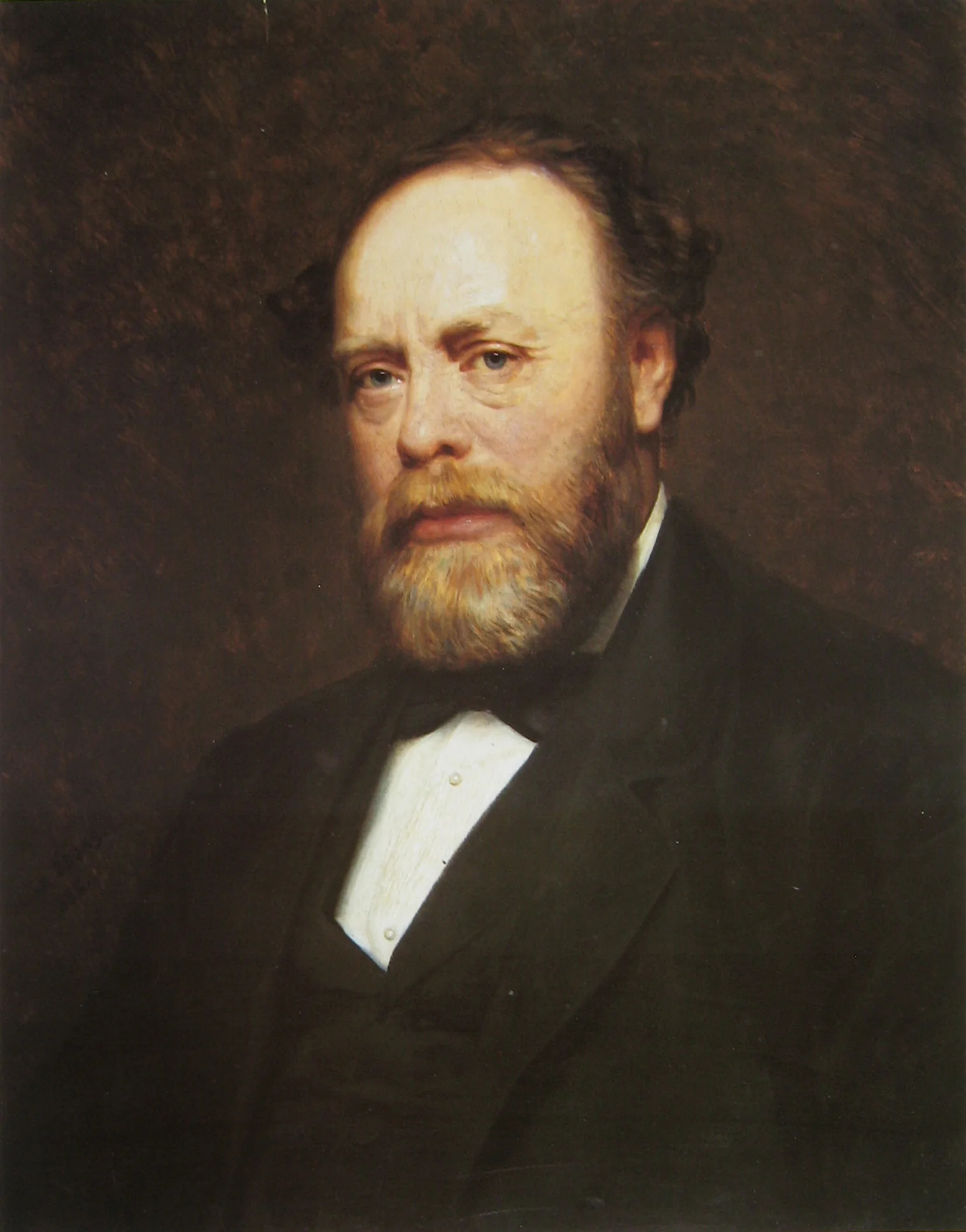
Image from Wikipedia
Image from Wikipedia
Leopold Ullstein
Leopold Ullstein: The Publisher Who Redefined the German Press
Leopold Ullstein was not a musician, but one of the defining German publishers of the 19th century. Born on September 6, 1826, in Fürth and died on December 4, 1899, in Berlin, his name stands for the rise of modern newspaper publishing in Germany. With a keen business sense for reach, speed, and journalistic relevance, he developed a publishing model that sustainably transformed the media market. ([de.wikipedia.org](https://de.wikipedia.org/wiki/Leopold_Ullstein?utm_source=openai))
Biographical Beginnings: From Fürth to Berlin
The early stages of Leopold Ullstein's life lead into a bourgeois, economically-driven 19th century, in which public life and the press rapidly differentiated. After disputes within the family, he withdrew from the family business and founded his own paper wholesale business in Berlin in 1855. This step marked the beginning of an entrepreneurial career that ultimately led him into the publishing world. ([de.wikipedia.org](https://de.wikipedia.org/wiki/Leopold_Ullstein?utm_source=openai))
The development from paper merchant to publisher represents more than just a career change. It reflects a fine sense for the value chain of news, printing, and distribution. Ullstein understood early on that the press needed not only content but also organization, speed, and infrastructure. This very connection made him a key figure in the history of Berlin's media. ([deutschlandfunk.de](https://www.deutschlandfunk.de/vom-papiergrosshaendler-zum-verleger-100.html?utm_source=openai))
The Breakthrough: Entering the Newspaper Market
His actual rise began with the purchase of a printing and newspaper publishing business in Berlin. In the following years, Ullstein expanded his publishing presence and shaped the Berlin press landscape with new titles and strategic acquisitions. Sources mention the Berliner Abendpost, the Berliner Illustrirte Zeitung, and the Berliner Morgenpost as significant milestones in his publishing activities. ([deutsche-biographie.de](https://www.deutsche-biographie.de/gnd128354305.html?utm_source=openai))
Particularly, the founding of the Berliner Morgenpost on September 20, 1898, symbolizes his awareness of the market, audience, and media relevance. Ullstein operated in a sharply competitive environment where publishers like August Scherl and Rudolf Mosse vied for influence in the Berlin and German newspaper market. He gained his position not through decoration but through editorial and entrepreneurial consistency. ([berlingeschichte.de](https://berlingeschichte.de/lexikon/frkr/u/ullstein_leopold.htm?utm_source=openai))
The Ullstein Publishing Model: Modern Media Logic Before the Mass Media Era
Leopold Ullstein's significance lies in compressing press, book trade, and publishing work into a well-thought-out media company. The Deutsche Biographie describes how his publishing house developed into one of the most modern media companies in Europe by the turn of the century; the bundling of book activities also played a central role. Even during his lifetime, Ullstein laid the foundations for a publishing house that had a far-reaching impact beyond mere newspaper printing. ([deutsche-biographie.de](https://www.deutsche-biographie.de/gnd128354305.html?utm_source=openai))
This progress was not only economically significant but also culturally relevant. The publishing house contributed to establishing the press as a daily societal orientation. In a time of political upheaval, technological modernization, and an expanding readership, Ullstein's entrepreneurship became a model for fast, wide-reaching, and journalistically ambitious media production. ([freiheit.org](https://www.freiheit.org/de/deutschland/liberal-modern-schnell-leopold-ullsteins-medienrevolution?utm_source=openai))
Family Business and Aftermath
After Leopold Ullstein's death, his sons took over the legacy of the house. Louis Ullstein and his brothers Rudolf, Franz, and Hermann led the publishing house into a new phase of expansion. The family history shows how strongly the company was designed for long-term continuity and how closely entrepreneurial success remained linked to journalistic tradition. ([archivspiegel.de](https://www.archivspiegel.de/wirtschaftsgeschichte/150-geburtstag-von-louis-ullstein/?utm_source=openai))
The legacy of the Ullstein name thus reaches far beyond the figure of its founder. The publishing house later became a symbol of German press and media history. It is precisely this connection of the founding figure, family enterprise, and urban media power that makes Leopold Ullstein a perpetually relevant figure in cultural and economic history. ([deutsche-biographie.de](https://www.deutsche-biographie.de/gnd128354305.html?utm_source=openai))
Cultural Influence: Press as the Engine of Modernity
Leopold Ullstein operated during a period when public life, urban living, and political communication were being restructured. His publishing work stands for the acceleration of information culture in the German Empire. From a historical perspective, his contribution is therefore to be read not only as a corporate story but also as part of the emergence of modern media public life. ([freiheit.org](https://www.freiheit.org/de/deutschland/liberal-modern-schnell-leopold-ullsteins-medienrevolution?utm_source=openai))
Deutschlandfunk describes his journey as the beginning of a long success story that sustainably changed the German media landscape. Such assessments underscore that Ullstein was not just a successful businessman but a co-creator of media modernity. His impact is evident in titles, structures, and forms of publication that redefined the everyday lives of readers. ([deutschlandfunk.de](https://www.deutschlandfunk.de/vom-papiergrosshaendler-zum-verleger-100.html?utm_source=openai))
Positioning in the Context of Press History
In the tension with other publishers of his time, Ullstein asserted himself as an entrepreneur with a clear view of reach and audience retention. The Berlin press became a battleground for ideas, interests, and business models during this era. Ullstein's publishing house belonged to those that not only observed this change but actively drove it forward. ([de.wikipedia.org](https://de.wikipedia.org/wiki/Leopold_Ullstein?utm_source=openai))
Even today, his name remains closely associated with the question of how media companies grow, professionalize, and wield cultural power. It is precisely for this reason that Leopold Ullstein is a key figure for anyone wishing to understand German press history, publishing, and the early phase of modern mass communication. His life path shows how entrepreneurial spirit can lead to historical impact. ([deutsche-biographie.de](https://www.deutsche-biographie.de/gnd128354305.html?utm_source=openai))
Conclusion: Why Leopold Ullstein Remains Relevant Today
Leopold Ullstein fascinates as the architect of a new media order. His journey from paper wholesaler to publisher, his foresight in establishing a modern publishing house, and his role in the Berlin newspaper market make him one of the most important figures in German press history. Anyone wishing to understand the development of modern public life will inevitably come across his name. ([deutschlandfunk.de](https://www.deutschlandfunk.de/vom-papiergrosshaendler-zum-verleger-100.html?utm_source=openai))
There is no live experience of Leopold Ullstein, but his historical presence remains palpable in the structures and titles of the Ullstein publishing house. It is specifically in the connection of entrepreneurship, journalism, and cultural impact that the tension of this biography lies. It shows how a single publisher was able to profoundly shape the media landscape of his time. ([deutsche-biographie.de](https://www.deutsche-biographie.de/gnd128354305.html?utm_source=openai))
Official Channels of Leopold Ullstein:
- Instagram: No official profile found
- Facebook: No official profile found
- YouTube: No official profile found
- Spotify: No official profile found
- TikTok: No official profile found